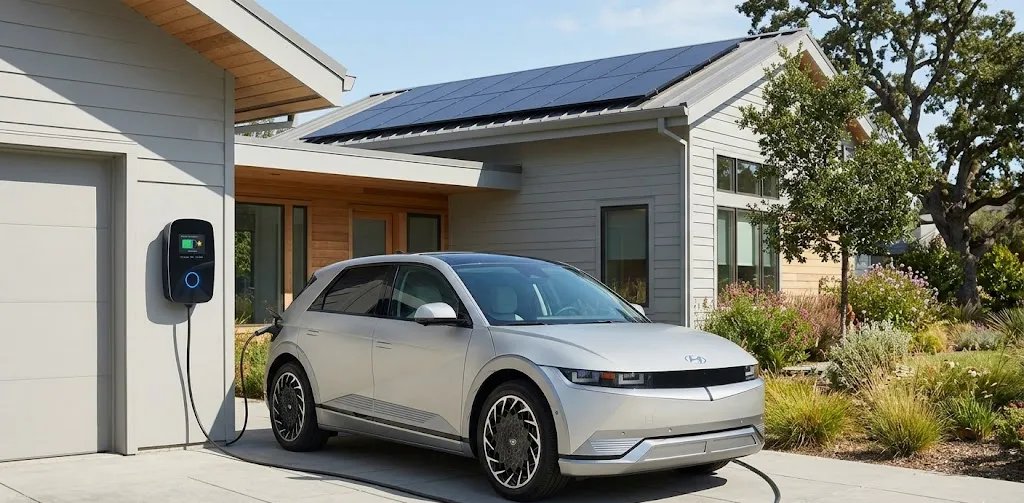
A 7kW-class home EV charger is usually the practical choice for a property with single-phase electricity. An 11kW charger makes more sense when the home has suitable three-phase capacity, the EV can accept 11kW AC and faster charging would provide a genuine benefit.
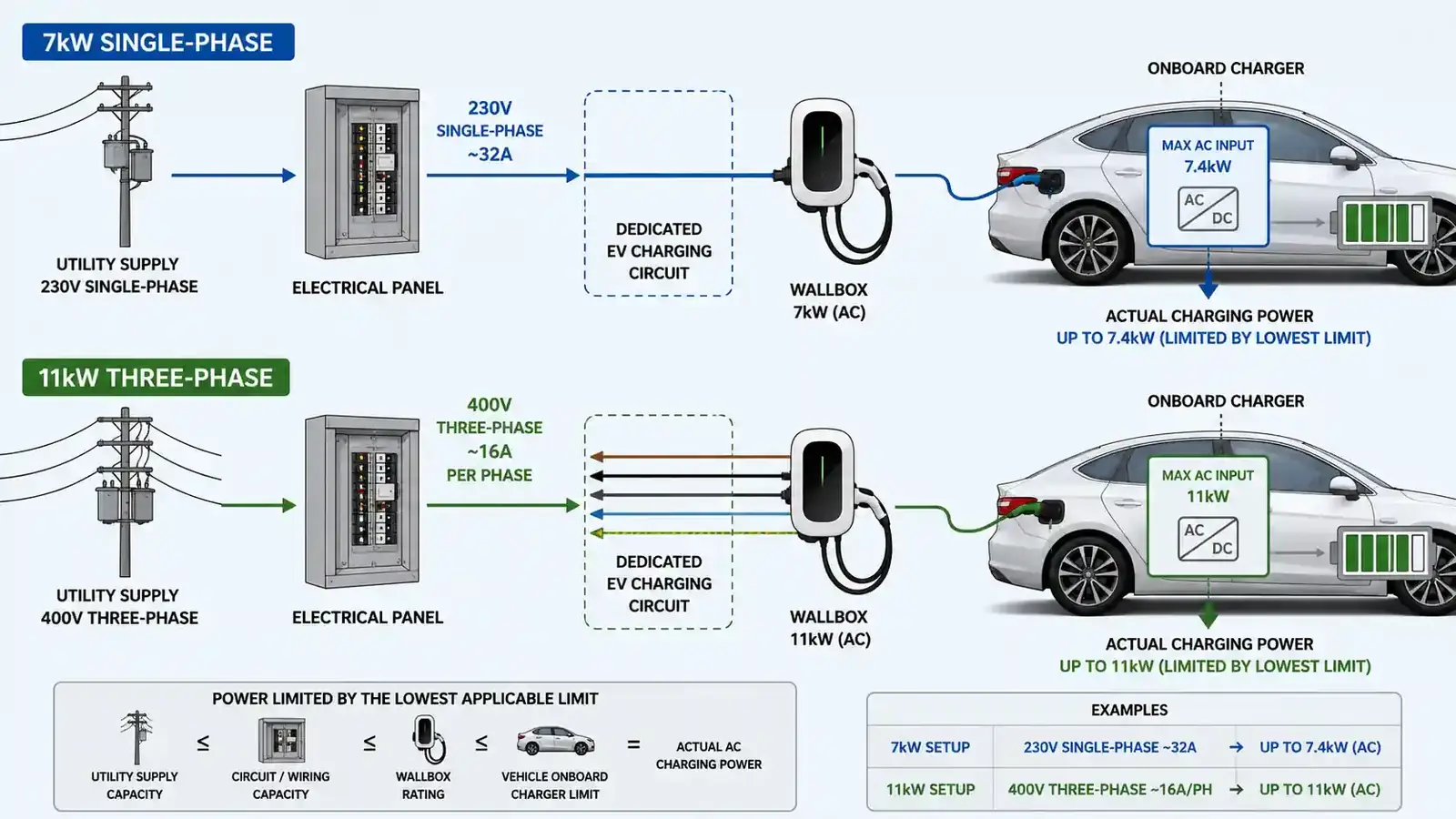
The key compatibility rule is simple: actual AC charging power is limited by the lowest applicable limit in the electrical supply, charging circuit, wallbox and vehicle’s onboard charger. An EV that accepts a maximum of 7.4kW AC will not charge at 11kW simply because it is connected to an 11kW wallbox.
7kW vs 11kW Home EV Charging at a Glance
| Feature | 7kW-class charger | 11kW charger |
|---|---|---|
| Typical supply | 230V single-phase | 400V three-phase |
| Typical circuit current | About 32A | About 16A per phase |
| Nominal power | About 7.4kW at 230V/32A | About 11kW at 400V three-phase/16A |
| Best fit | Single-phase homes and routine overnight charging | Three-phase homes with EVs that accept 11kW AC |
| Main limitation | Slower when the vehicle can use higher AC power | Needs suitable three-phase capacity and vehicle compatibility |
These figures describe common European AC charging arrangements. The power available at an individual property still depends on its electrical service, circuit design, local installation rules and any configured load-management limits.
Quick decision
- Choose 7kW-class charging if your home is single-phase, your EV accepts around 7kW AC, or overnight charging already meets your daily needs.
- Consider 11kW if you have suitable three-phase power, your EV accepts 11kW AC and shorter charging sessions would be useful.
- Prioritize load management if household electrical capacity is the main constraint.
- Do not pay for higher output solely for future-proofing without checking whether your present or likely future vehicles and electrical supply can use it.
When a 7kW Home Charger Makes More Sense
A wallbox operating at 230V and 32A can provide approximately 7.4kW, which is why residential products in this category are commonly described as either 7kW or 7.4kW chargers.
That is substantial power for a car parked overnight. As a simple example, eight hours at the theoretical maximum of 7.4kW represents 59.2kWh supplied to the charging system before charging losses or any reductions in charging power.
For many households, completing a charge earlier in the night provides little practical advantage if the vehicle will remain parked until morning. A 7kW-class charger is therefore a strong starting point when the property is single-phase, daily driving can be replenished overnight or an electrical upgrade would add significant cost without solving a real charging need.
When an 11kW Home Charger Is Worth It
At a common European three-phase voltage of 400V, approximately 16A per phase provides about 11kW. That is roughly 50% more nominal charging power than a 7.4kW connection.
The additional speed becomes useful when a compatible EV regularly arrives home needing significant energy and has a shorter charging window before its next journey. High-mileage households may also benefit more from the extra capacity than drivers whose cars remain parked overnight.
Before choosing 11kW, check the AC charging specification for the exact vehicle model and market variant. Battery capacity and DC rapid-charging speed do not tell you the vehicle’s maximum AC charging rate.
Other Factors Before Buying
Electrical Capacity and Load Management
A home EV charger can place a substantial continuous load on the electrical installation. Existing demand from heat pumps, electric heating, water heaters, ovens, induction cooking and air conditioning therefore matters when deciding how much charging power the property can support.
An installation assessment should account for the electrical service, existing demand, circuit routing, conductor sizing, earthing arrangement and required protective devices. This assessment is more useful than comparing wallbox ratings in isolation.
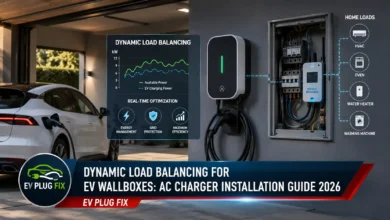
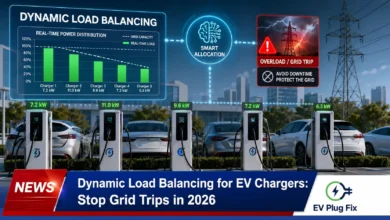
Dynamic load balancing can make better use of limited capacity. A compatible system measures or monitors household demand and reduces EV charging power when other loads rise, then increases the charging allocation as capacity becomes available.
For example, charging can be reduced while an electric oven, water heater and heat pump are operating together, then increased later when household demand falls. Load management does not replace correct circuit design or electrical protection; it is one part of the overall installation.
Electrical Protection
Protection requirements vary by jurisdiction and installation. In the UK, BS 7671:2018+A2:2022 requires RCD protection for EV charging points and contains specific provisions addressing DC residual current.
Where suitable DC residual-current protection is incorporated in the EVSE, Type A or Type F RCD protection may be applicable. Where the necessary DC protection is not provided by the charging equipment, Type B protection may be required. The correct arrangement must follow the EVSE manufacturer’s instructions and the current electrical rules applicable to the installation.
Overcurrent protection, earthing, fault protection and surge protection may also form part of the installation requirements. These are design decisions for the complete charging circuit rather than specifications to select from the wallbox power rating alone.
Smart Charging Features
Scheduled charging, energy records, dynamic load management and integration with electricity tariffs can be more useful in everyday ownership than simply moving from 7kW to 11kW. Homes with photovoltaic generation may also benefit from compatible solar-charging functions.
Check what happens when connectivity fails. Essential charging should not depend unnecessarily on a mobile app, internet connection or cloud service remaining available.
Under the EU Renewable Energy Directive as amended, Member States must ensure that new and replaced non-publicly accessible normal-power recharging points can support smart-recharging functionality; national implementation and any additional requirements should be checked in the relevant Member State.
Outdoor Installation
For an outdoor wallbox, verify the manufacturer’s permitted installation environment, ingress-protection rating, operating-temperature range and mounting requirements. Plan the cable route so the connector reaches the vehicle comfortably without leaving the cable stretched across a regular walking or driving route.
If smart functions depend on Wi-Fi, Ethernet or cellular connectivity, confirm that the intended mounting position has the required connection.
What About 22kW?
A common European 22kW AC configuration uses 400V three-phase power at approximately 32A per phase. That is a considerably larger electrical load than either 7kW or 11kW charging.
It only produces a charging-speed advantage when the vehicle can accept the higher AC power and the installation can supply it. Higher-capacity hardware may suit future plans, but unused output provides no immediate speed benefit.
7kW vs 11kW: Which Should You Buy?
| Your situation | Starting point | Why |
|---|---|---|
| Single-phase home and routine overnight charging | 7kW-class wallbox | Fits a common residential supply arrangement and provides substantial overnight charging. |
| Three-phase home but EV accepts only about 7kW AC | Usually 7kW-class charging | Higher wallbox output will not increase the vehicle’s AC charging limit. |
| Three-phase home and EV accepts 11kW AC | Consider 11kW | Useful when the shorter charging window has practical value. |
| Limited spare electrical capacity | Assess load management | Dynamic control can make better use of available capacity. |
| Compatible EV but plenty of overnight charging time | Compare installed cost | Paying more for faster completion may provide little day-to-day benefit. |
| Considering 22kW | Verify vehicle and supply capability | The higher rating only helps when both can support it. |
The best charger is not necessarily the one with the highest kilowatt rating. It is the one that delivers the charging rate you need without paying for electrical capacity you are unlikely to use.
Compare the Total Installed Cost
Wallbox price is only part of the cost of home charging. A project may also require a dedicated circuit, cabling, protective devices, distribution-board work, load-management equipment, groundwork or a longer cable route. Increasing the available electrical service can add further cost where it is required.
Obtain a home charger installation assessment before buying hardware, particularly if you are considering 11kW or 22kW charging. Compare the total cost of delivering the charging rate you need rather than the retail prices of the wallboxes alone.
Questions to Ask Before Ordering
- What is my EV’s maximum AC charging rate?
- Does the property have single-phase or three-phase electricity?
- Is there enough spare capacity for the intended charging load?
- Would dynamic load management be useful?
- What electrical protection is required for this EVSE and location?
- Which scheduling, tariff, solar or connectivity features will I actually use?
- Is the charger approved for its intended installation environment?
- What is the complete installed cost?
FAQ
Is an 11kW charger much faster than a 7kW charger?
If the electrical installation and vehicle can use the full output, 11kW provides roughly 50% more nominal charging power than 7.4kW. The practical benefit depends on how much energy you need to replace and how long the car remains parked.
Can I install an 11kW charger on single-phase power?
The common European 11kW AC arrangement uses a 400V three-phase supply at approximately 16A per phase. A conventional single-phase residential supply therefore cannot provide that configuration simply by installing an 11kW wallbox.
Will an 11kW wallbox charge a 7kW EV faster?
No. If the vehicle accepts a maximum of about 7kW AC, a higher-rated wallbox cannot force it to accept 11kW.
Is 7kW enough for home EV charging?
For many drivers, yes. The useful test is whether the charger can replenish the energy you normally use between arriving home and your next departure. Routine overnight parking gives a 7kW-class charger several hours to work.
Do I need three-phase power for a home EV charger?
Not for typical 7kW-class home charging. Three-phase power is relevant to common European 11kW and 22kW AC charging arrangements.
Should I buy a 22kW charger for future-proofing?
Only if the likely benefit justifies the installation. A 22kW wallbox provides its full speed advantage only when the vehicle and three-phase electrical installation support that level of AC charging.
Bottom Line
Start with 7kW-class charging if your home has single-phase electricity or routine overnight charging already covers your driving needs. It is a capable residential charging rate and avoids paying for three-phase output that may not be usable.
Choose 11kW when suitable three-phase capacity is available, your EV supports 11kW AC and faster turnaround has practical value. Where electrical capacity is tight, investigate dynamic load management before assuming that a lower charger rating or a major supply upgrade is the only solution.
Check the vehicle’s AC specification and have the property assessed before ordering the wallbox. Those two checks usually make the 7kW-versus-11kW decision straightforward.
Source Transparency
This guide distinguishes nominal charger ratings from the power an EV can actually accept. Technical points were checked against information from the International Electrotechnical Commission, UK Institution of Engineering and Technology guidance on EV charging protection, European Union legislation covering smart recharging, and vehicle-manufacturer documentation explaining onboard AC charging limits.
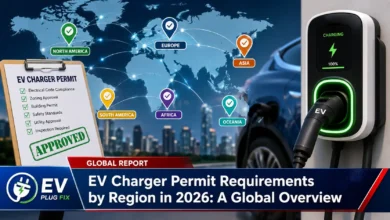
Electrical installation requirements are jurisdiction-specific and can change. References to 230V single-phase, 400V three-phase, 7.4kW, 11kW and 22kW describe common European charging arrangements rather than instructions for designing an electrical circuit. Homeowners should follow the charger’s installation documentation and use a qualified installer familiar with the current electrical rules applicable where the charger will be installed.