EV Charger Installation Steps: What You Must Know Before Wiring in 2026
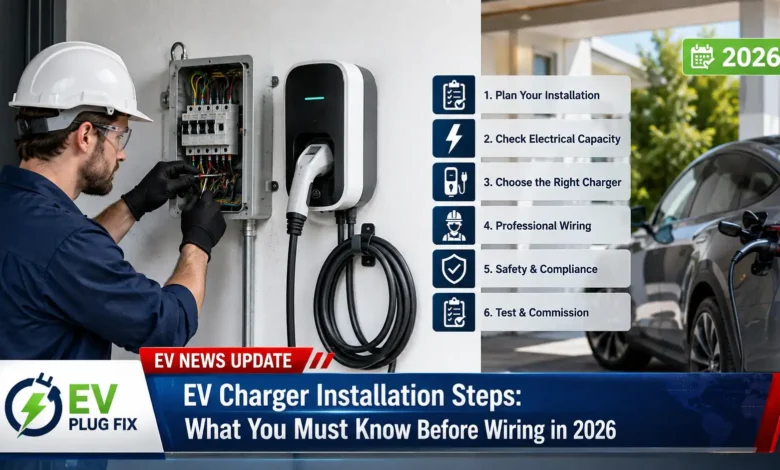
EV charger installation at home has become a priority for millions of new electric vehicle owners, yet many underestimate the complexity involved in getting it right. While the promise of waking up to a fully charged EV every morning is compelling, the path to that convenience involves careful planning, electrical know-how, and strict adherence to safety standards. As EV adoption accelerates in 2026, understanding the complete EV charger installation landscape is essential for anyone looking to avoid costly mistakes, electrical hazards, or frustrating compatibility issues. For a foundational overview of what to look for, consult our comprehensive Home EV Charger Guide before making any purchasing decisions.
The surge in electric vehicle sales has created a parallel boom in home charging infrastructure, with industry experts projecting that over 60% of EV owners will opt for at-home Level 2 charging solutions by the end of 2027. This trend makes mastering the nuances of EV charger installation not just a practical skill but a necessity for modern EV ownership.
⚡ Level 1 vs Level 2
Standard 120V outlet (Level 1) adds ~5 km/hour. Level 2 (240V) delivers 30-60 km/hour – the clear choice for daily drivers.
🔌 Connector Types
Most EVs use J1772 (North America) or Type 2 (Europe/Asia). Tesla owners need a J1772 adapter for non-Tesla stations. Understanding Cross-Brand EV Charging Compatibility is crucial when selecting equipment that works with multiple vehicle types.
📱 Smart Features
Wi-Fi enabled chargers offer scheduling, energy monitoring, and voice assistant integration for ultimate control.
Critical Pre-Installation Steps for EV Charger Setup
Before purchasing any equipment, a thorough assessment of your home’s electrical infrastructure is paramount. Many DIY EV charger installation attempts fail because homeowners overlook the capacity of their existing electrical panels. The average American home has a 100-amp service panel, but a typical Level 2 EV charger requires a dedicated 40-amp circuit, consuming nearly half of that capacity. Upgrading to a 200-amp panel may be necessary, especially in older homes with existing high-draw appliances.
Modern EV chargers come with varying power requirements, from 3.7kW units suitable for overnight charging to powerful 22kW systems that demand three-phase power connections. The 2026 National Electrical Code (NEC) requires that all EV charging circuits include GFCI protection, adding another layer of safety consideration to the EV charger installation process.
Selecting the right location for your EV charger installation directly impacts usability and safety. The ideal spot offers easy access to the vehicle’s charging port, minimizes cable stretch, and provides protection from the elements if installed outdoors. For garages, mounting the charger between vehicle bays often proves most practical. Outdoor installations require weatherproof enclosures rated NEMA 3R or higher, ensuring the EV charger installation withstands rain, snow, and temperature extremes.
Understanding EV Charger Installation Requirements and Electrical Codes
Local building codes and permitting requirements represent one of the most frequently underestimated aspects of EV charger installation. While requirements vary by municipality, most jurisdictions now have specific guidelines for EV charging equipment installations. These regulations cover everything from proper grounding methods to the physical mounting height of the charger unit. Failing to secure necessary permits can void home insurance policies and create legal liabilities if problems arise.
| Installation Factor | Requirement | Impact if Ignored |
|---|---|---|
| Electrical Panel Capacity | Minimum 200-amp service for Level 2 | Circuit overloads, tripped breakers |
| Dedicated Circuit | 40-60 amp dedicated branch circuit | Voltage drops, safety hazards |
| GFCI Protection | NEC 2026 mandate for all EV circuits | Shock risk, code violations |
| Permitting | Local building permit required | Fines, insurance voidance |
| Wiring Gauge | 6 AWG copper for 60-amp circuits | Overheating, fire risk |
Professional electricians often recommend upgrading to a smart EV charger that offers load balancing capabilities. These advanced units automatically adjust charging rates based on household energy consumption, preventing overloads while maximizing charging speed. The additional cost often pays for itself through reduced electrical upgrade requirements and optimized energy usage patterns. For those interested in solar integration, PV Surplus Charging technology allows you to charge your EV using excess solar energy, further reducing electricity costs.
Step-by-Step EV Charger Installation Process
The EV charger installation process begins with mounting the unit at a height that allows comfortable cable handling while keeping the display and controls accessible. Most manufacturers recommend mounting between 36 and 48 inches from the floor. The mounting surface must be sturdy enough to support the charger’s weight and withstand the constant pull of the charging cable over time.
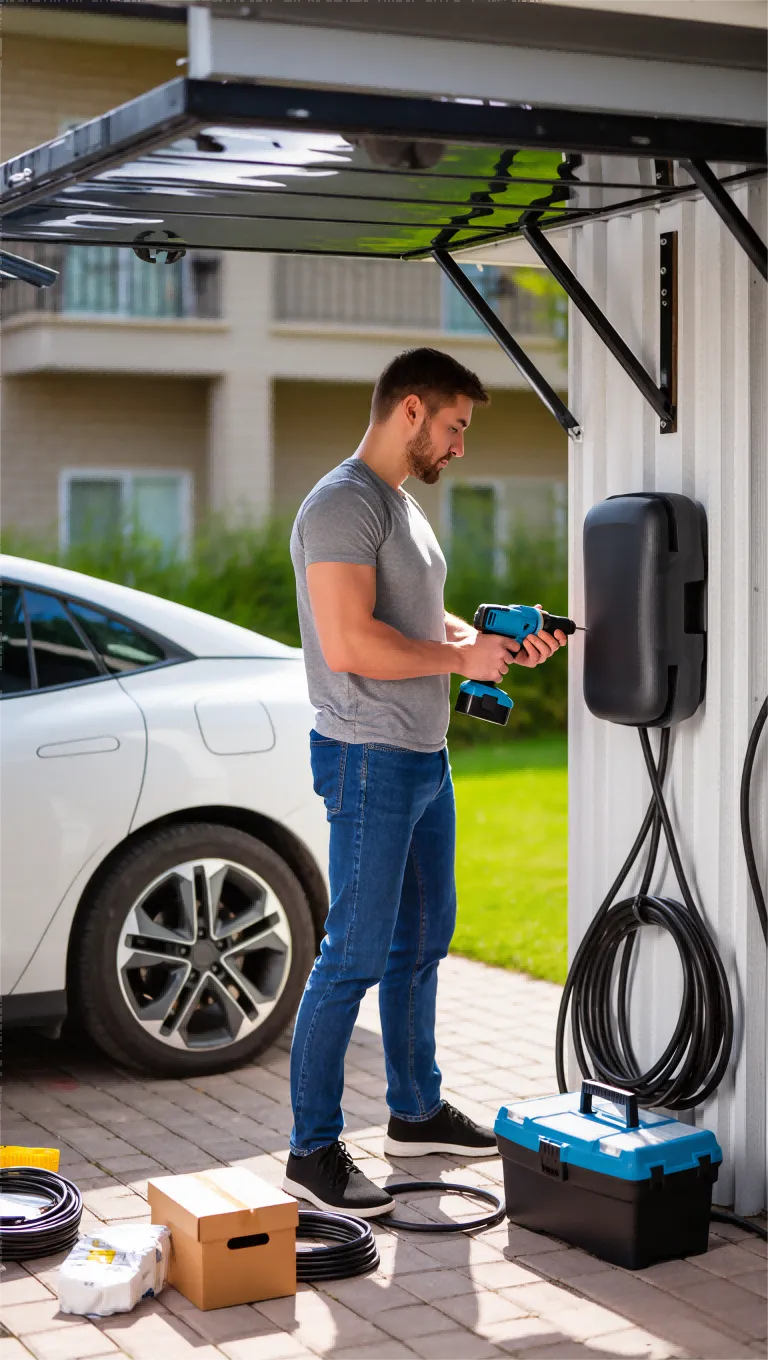
Assessing your home’s electrical panel is a critical first step before any EV charger installation.
Wiring the EV charger demands the most careful attention. Proper torque specifications on terminal connections prevent arcing and heat generation, two common causes of electrical failures in EV charger installations. Using the correct wire gauge for the circuit amperage rating is non-negotiable; undersized wires can melt insulation and create fire hazards. The National Fire Protection Association reports that electrical failures account for nearly 13% of residential structure fires, underscoring the importance of precise wiring practices. Understanding EV Charger Error Codes can help you quickly diagnose and resolve issues if they arise after installation.
Testing forms the final critical phase of any EV charger installation. A comprehensive test sequence includes verifying proper grounding, checking for correct voltage and polarity, and confirming that the charger communicates correctly with the vehicle. Many modern EV chargers include diagnostic LED indicators that simplify this testing process, but professional installation often includes a full system validation with a multimeter.
Long-Term Maintenance and Smart Charging Features
Once the EV charger installation is complete, maintenance becomes essential for longevity and safety. Regular visual inspections of cables for cuts or abrasions, checking connections for tightness, and keeping the unit clean from dust and debris will extend its operational life. Smart chargers with cloud connectivity offer additional benefits through firmware updates that improve performance and add features over time. Following a routine EV Charging Maintenance Guide ensures your equipment remains reliable for years to come.
“A properly installed EV charger is an investment that typically pays for itself within 12-18 months through reduced fuel costs and increased vehicle convenience.”
The integration of artificial intelligence and machine learning into EV charging technology represents the next frontier for EV charger installation. New systems can learn driver patterns, optimize charging during off-peak electricity rates, and even integrate with home solar installations for maximum efficiency. Homeowners planning EV charger installation in 2026 should strongly consider future-proofing their choices by selecting equipment compatible with these emerging capabilities.
Understanding the electrical and structural requirements of EV charger installation empowers homeowners to make informed decisions about whether to pursue professional installation or DIY approaches. While the initial investment in professional installation may seem steep, it typically includes permits, code compliance, and warranties that provide peace of mind. The money saved through proper installation far exceeds any potential costs from repairs or replacements resulting from improper DIY work.
As electric vehicles continue to reshape the automotive landscape, mastering the intricacies of home charging infrastructure becomes increasingly important. EV charger installation represents not just a technical project but a lifestyle upgrade that delivers daily convenience and long-term savings. Whether you’re a new EV owner or considering the transition, understanding these installation fundamentals ensures your home charging experience is safe, efficient, and future-ready.