Can You Install Two EV Chargers at Home? 2026 Electrical & Solar Guide
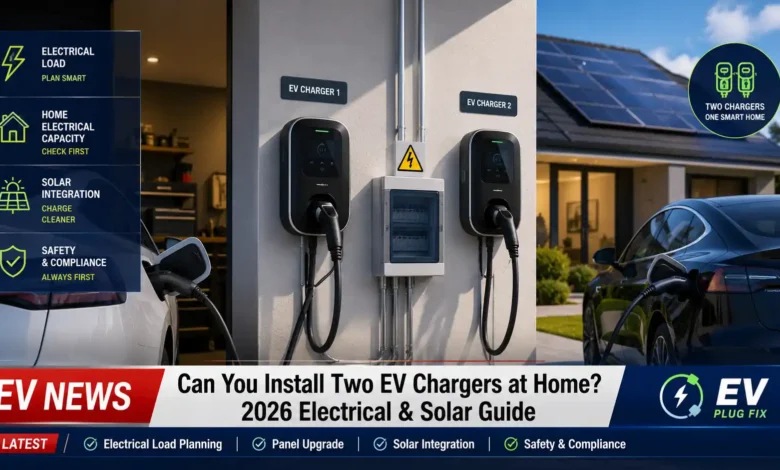
Can your home handle the electrical demands of two electric vehicles charging simultaneously? The question is becoming increasingly urgent for households embracing the electric revolution. While the adoption of electric vehicles surges globally, many families are discovering that owning two EVs is not simply a matter of having two charging cables; it fundamentally challenges your home’s electrical infrastructure and requires a deep understanding of regional technical standards. From your main service panel’s capacity to the integration of renewable energy and smart load management, this 2026 guide provides an exhaustive analysis of what it takes to install two EV chargers in your home.
Understanding Regional Electrical Systems and Standards for Multi-Charger Homes
The technical feasibility of installing multiple EV chargers is dictated first by the electrical standards of your specific region. These standards govern not only voltage and phase configurations but also safety protocols, circuit requirements, and overall grid integration. In North America, most residential properties operate on a split-phase electrical supply, delivering 240 volts to high-power appliances. The United States follows the National Electrical Code (NEC) 625 standard, which mandates dedicated circuits with appropriate circuit breaker protection and Ground Fault Circuit Interrupter (GFCI) safeguards for Level 2 chargers. A standard modern American home features a 200-amp panel, offering substantial capacity to accommodate one or two Level 2 chargers, provided a proper load assessment is conducted.
In contrast, European nations primarily utilize the IEC 61851 standard. While many European homes rely on single-phase service, certain regions like Germany and the Nordic countries are increasingly adopting three-phase systems in newer developments. This is a critical distinction because a three-phase supply can support charging speeds of up to 22 kilowatts, vastly outperforming the typical 7.4 kilowatts available on single-phase supplies. To better understand the different charging speeds and connector types available across regions, check out our comprehensive EV Charging Connectors guide. The United Kingdom specifically mandates compliance with the IET Wiring Regulations (BS 7671) and Building Regulations Part S, outlining stringent safety requirements for approved equipment.
China implements the GB/T standard (GB/T 20234 series), which is mandatory for manufacturers and covers both AC and DC protocols. Japan has historically relied on the CHAdeMO standard, which has enabled bidirectional power flow and vehicle-to-home (V2H) integration for years, offering a unique advantage in disaster preparedness. Meanwhile, Australia is currently evaluating international standards to establish consistent technical specifications for home charging installations, reflecting the developing nature of its residential EV infrastructure.
Electrical Panel Capacity: Is Your 200-Amp Panel Enough for Two Chargers?
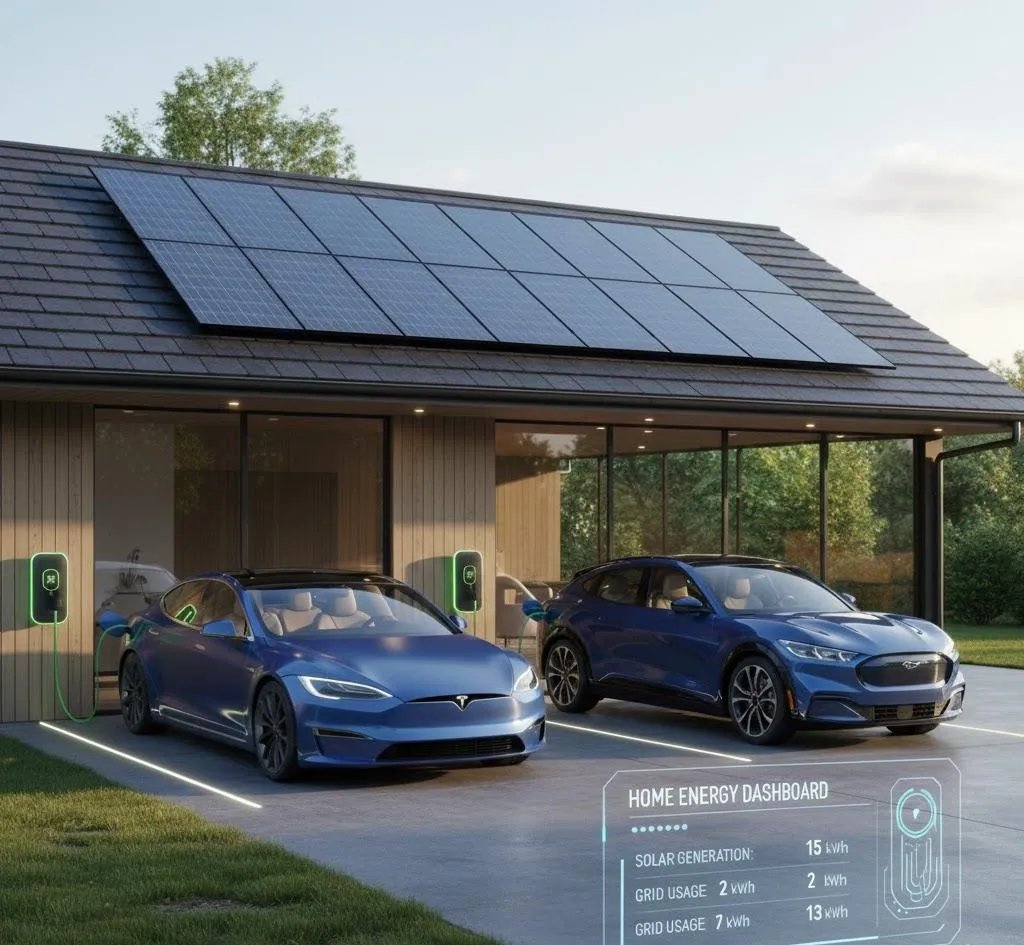
Charging two electric vehicles simultaneously at full speed requires between 80 and 100 amps of available capacity. While a modern 200-amp panel typically offers adequate headroom for two Level 2 chargers, the reality depends heavily on the specific load of your household. A Level 2 charger demands a dedicated 40 to 60-amp breaker depending on the model. If you install two chargers, their combined demand can stress your electrical system, especially during peak consumption periods when air conditioning or electric water heaters are active. For a detailed breakdown of power levels and what each charger type can deliver, consult our EV Charger Comparison Guide.
- Panel Upgrade: Homes with a 100-amp panel typically cannot support two chargers without a costly upgrade to 200 amps.
- Subpanel Installation: For homes with full main panels but adequate service capacity, installing a subpanel can distribute the load efficiently.
- Load Management: Devices can prioritize power usage to avoid full upgrades, though professional assessment is required for safety.
Installing two Level 2 chargers often requires a dedicated 40 to 60-amp breaker each, meaning a single 200-amp panel must accommodate both vehicles alongside everyday household appliances.
Smart Load Management: The Intelligent Solution to Dual Charging
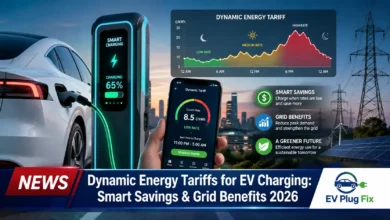
Rather than investing in costly infrastructure upgrades, modern smart load management systems provide an elegant alternative. These systems continuously monitor your home’s real-time energy consumption and automatically adjust power distribution between connected chargers. When both vehicles are charging and a high-draw appliance like an oven or heat pump activates, the system reduces the charging speed to maintain safe total consumption. This Dynamic EV Load Balancing ensures you can charge two EVs efficiently without overloading your panel.
For households with variable electrical demands, smart management represents a cost-effective alternative to panel upgrades. Some systems even incorporate priority settings allowing you to designate which vehicle receives priority charging when household capacity becomes constrained—an essential feature for multi-EV families juggling morning commutes.
Regional Regulatory Framework and Incentives for Multiple Chargers
Beyond technical capacity, regulatory compliance varies significantly across regions and directly impacts the cost and feasibility of installing two chargers. In the United Kingdom, the EV Chargepoint Grant program can reduce installation costs by up to 75%, capped at £350 per charger—potentially saving homeowners up to £700 for a dual setup. Property owners must also notify their Distribution Network Operator (DNO) to assess whether the grid supply can support the additional demand.
| Region | Primary Standard | Key Requirement | Incentives |
|---|---|---|---|
| United States | NEC 625 | Dedicated circuits, GFCI protection, UL labeling | Federal & state tax credits (e.g., 30C) |
| United Kingdom | BS 7671 / Part S | DNO notification, electrical safety checks | EV Chargepoint Grant (up to £350 per charger) |
| Canada | Canadian Electrical Code | Licensed electrician installation | $10.9 million federal investment for infrastructure |
| China | GB/T 20234 | Mandatory national standard for market access | Subsidies under PM E-DRIVE scheme |
In the United States, federal and state-level regulations often overlap. California has implemented additional requirements through its Zero-Emission Vehicle program, mandating CTEP certification for equipment. Most jurisdictions follow the NEC 625 standard, requiring proper listing and labeling per UL standards. Before installing any system, familiarize yourself with local EV Charger Permit Requirements to ensure full compliance and avoid costly fines. In Canada, provinces like British Columbia and Quebec have robust rebate programs, and the federal government has invested $10.9 million to expand charging infrastructure across the country, with British Columbia boasting over 8,900 public charging ports as of 2026—an 87% increase since 2023.
Solar Integration: Powering Two EVs with Photovoltaic Energy
Integrating solar photovoltaic systems with multiple EV chargers is one of the most compelling long-term strategies for multi-EV households. The economics are persuasive: the levelized cost of solar-generated electricity is approximately $0.06 per kilowatt-hour, substantially below grid rates of $0.10 to $0.40 per kilowatt-hour. For two vehicles averaging 13,500 miles annually, solar charging could reduce annual costs from approximately $626 (grid charging) to $235—a more than 60% savings.
Deploying sufficient solar capacity requires careful planning. For a household with two EVs, solar generation needs to account for both home consumption and the 4,000+ kilowatt-hours typically required per vehicle annually. In high-irradiance regions, this may be feasible with a standard 5 kW system, while cloudier climates or larger homes may require 8 kW or more. Modern EV chargers automatically draw from available solar surplus, allowing you to charge at zero grid cost when production exceeds household consumption. To optimize your solar usage, explore PV Surplus Charging Modes that intelligently direct renewable energy to your vehicles.
Battery Storage and Bidirectional Charging: The Future of Home Energy
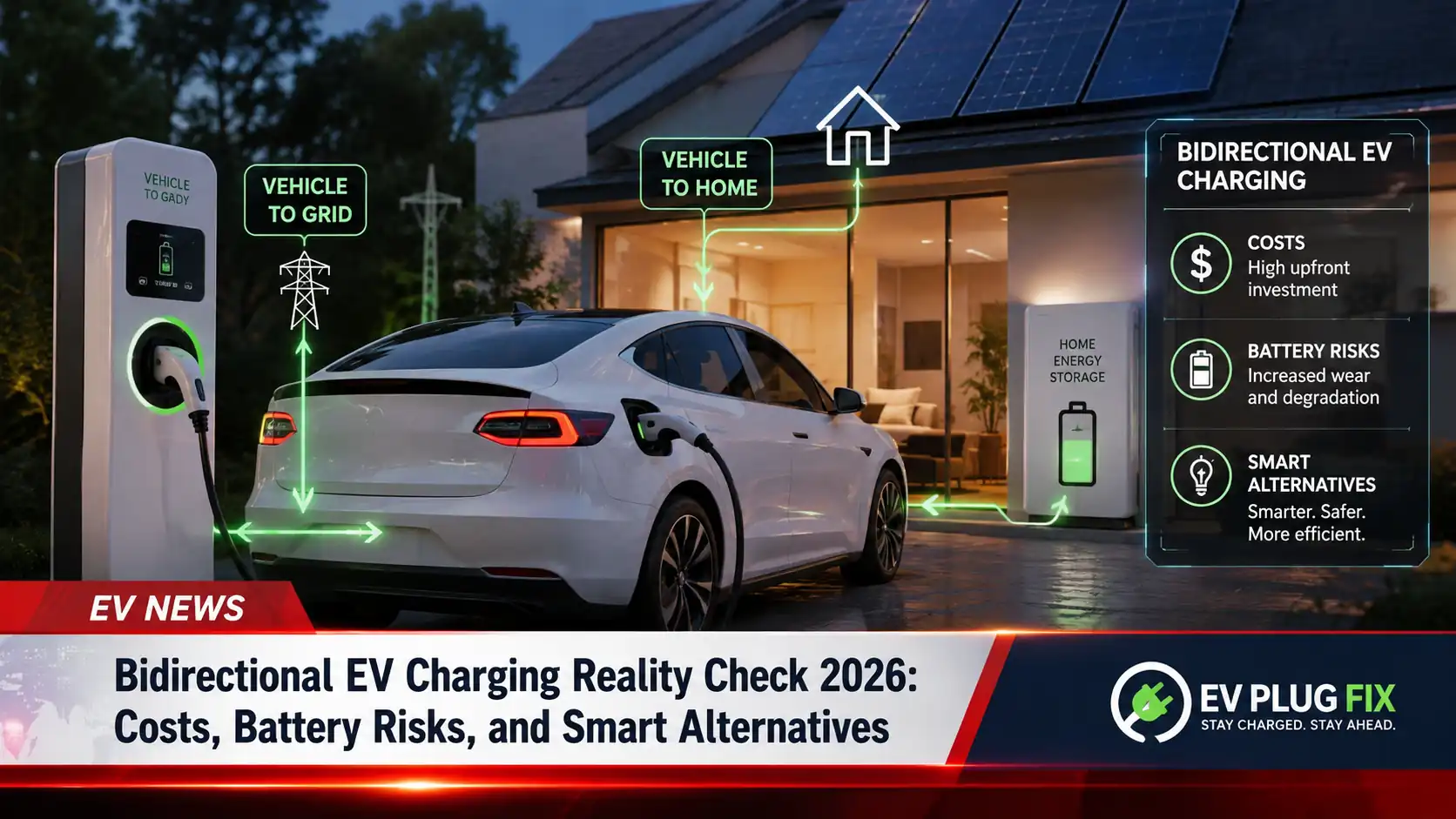
Integrating home battery storage with solar panels and EV chargers creates a comprehensive, resilient energy ecosystem. Home batteries accumulate solar energy generated during the day for use during evening peak hours, cloudy weather, or grid outages. This temporal flexibility addresses solar energy’s inherent variability while reducing grid dependency. Advanced energy management systems coordinate solar generation, battery storage, household consumption, and EV charging to optimize performance. These systems prioritize battery charging from solar panels during peak generation, then direct excess production to vehicle charging. During insufficient solar periods, stored battery energy powers the home and chargers, maximizing renewable utilization.
Practical Installation Considerations and Future Planning
Installing multiple EV chargers requires coordination between electricians, local authorities, and utility companies. Before beginning, homeowners should conduct a thorough assessment of their electrical panel’s current capacity, identify available breaker slots, and evaluate their property’s solar potential. Professional installation is mandatory across all regions, ensuring compliance with building codes and electrical standards.
- Conduct a Load Assessment: Use smart energy monitors to track real-time consumption patterns.
- Consult Licensed Electricians: Professional evaluation is essential to avoid code violations.
- Research Local Incentives: Check for federal, state, or utility rebates for dual charger installations.
- Plan for the Future: Consider scalable systems like subpanels or V2H integration to accommodate future EVs.
Essential Questions & Expert Answers
Can I install two EV chargers on a 100-amp panel?
How much does it cost to upgrade a panel for two EV chargers?
What is the difference between single-phase and three-phase charging for two EVs?
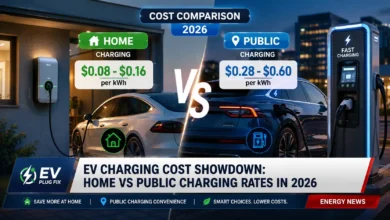
Is it cheaper to charge two EVs at home or at public stations?
The shift toward multiple EV ownership is driving demand for intelligent, integrated home energy systems. The convergence of 200-amp panel upgrades, smart load management, solar generation, and battery storage has made multi-vehicle charging accessible for most households. While regional regulatory frameworks and infrastructure constraints vary, the path to powering two EVs at home is clearer than ever—and more cost-effective with the right planning. Whether through smart load management, renewable integration, or panel upgrades, the solution ultimately depends on your specific electrical infrastructure and long-term energy goals.