EV Charging Station Maintenance 2026: Expert O&M Guide for Maximum Uptime
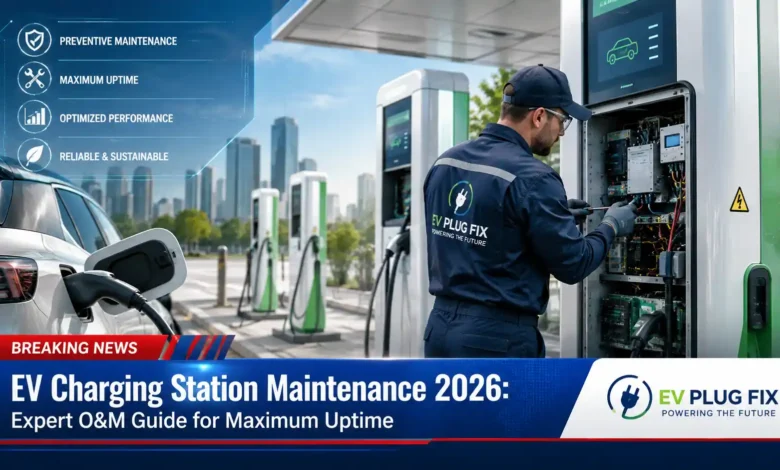
EV charging station maintenance is no longer an afterthought—it’s a strategic imperative for operators, property owners, and fleet managers navigating the rapidly expanding electric vehicle landscape. With the global EV charger operations and maintenance services market valued at USD 362.1 million in 2025 and projected to reach USD 2.62 billion by 2034, growing at a CAGR of 24.6%, the stakes have never been higher . A single charging station downtime can disrupt fleet operations, damage customer trust, and impact revenue. This is why smart operators are shifting from reactive fixes to comprehensive planned preventive maintenance programs. In 2026, achieving 99% reliability for rapid chargers, as mandated by the Public Charge Point Regulations 2023 in the UK, requires a disciplined, multi-layered approach to O&M that spans hardware, software, and site management . This article delivers an expert’s blueprint for maximizing uptime, minimizing costs, and ensuring your EV charging assets deliver peak performance in the years ahead.
Why EV Charger Maintenance Matters More Than Ever
The reliability of public charging networks directly influences EV adoption. Government regulations, such as the UK’s Public Charge Point Regulations 2023, have set a 99% reliability standard for rapid chargers, with operators required to submit annual performance reports . This regulatory push, combined with growing customer expectations for seamless charging experiences, makes proactive maintenance essential. A well-maintained charger not only ensures compliance but also protects long-term investment, reduces operational costs, and builds driver confidence . For property owners planning new installations, understanding proper Level 2 EV Charger Installation practices from the start can significantly reduce future maintenance burdens.
Understanding the EV Charging Ecosystem
Effective maintenance begins with a thorough understanding of the charging infrastructure. The ecosystem includes hardware components like chargers (Level 1, Level 2, and DC fast chargers), power supply systems, communication networks, and software platforms for monitoring and management [citation:original]. Each charger type has unique maintenance needs. For instance, a Level 2 charger has fewer moving parts and may be more cost-effective to replace than repair when faulty, whereas DC fast chargers require specialized diagnostics and maintenance of liquid-cooled cables and power modules . This knowledge is foundational for creating targeted maintenance protocols and spare parts strategies. When evaluating different connector types, understanding Cross-Brand EV Charging Compatibility helps maintenance teams prepare for diverse vehicle connections at public stations.
Routine Inspections and Preventive Maintenance
Regular inspections are the frontline defense against charger failures. These checks should include visual inspections for physical damage, cable and connector wear, and cleanliness . A clean charger with unobstructed vents operates more efficiently and has a longer lifespan . Planned Preventive Maintenance (PPM) moves beyond reactive fixes by scheduling inspections and servicing while equipment is still operational . This proactive approach helps identify issues like loose connections, component degradation, or early software glitches before they cause downtime. Implementing EV Load Shifting Strategies can also reduce strain on electrical components during peak demand periods, extending equipment life.
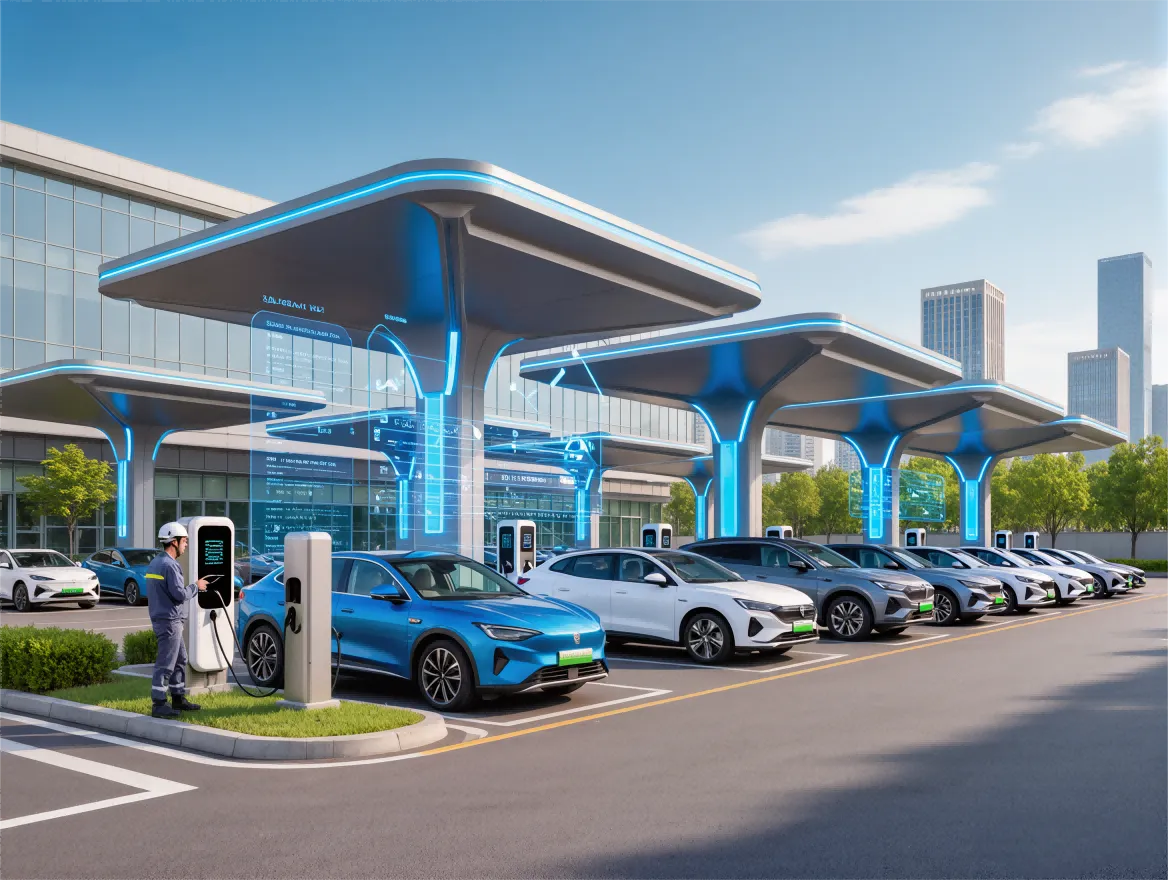
Preventive maintenance programs can reduce costly downtime and extend equipment lifespan
What to Include in a Preventive Maintenance Checklist
- Hardware Checks: Inspect charging cables, connectors, and holsters for wear, cracks, or debris. Verify mounting anchors and enclosure integrity for signs of corrosion or damage .
- Electrical & Safety Systems: Test emergency stop functionality, perform ground fault detection, and check circuit breakers and bus bars for proper torque and signs of overheating .
- Software & Connectivity: Confirm the charger’s network connection and review fault logs for recurring issues. Ensure firmware is up-to-date .
- Environmental & Site Conditions: Clear vents of debris and snow, ensure proper drainage, and maintain clear access to the charger for both users and technicians .
| Maintenance Area | What to Check | Why It Matters |
|---|---|---|
| Enclosure & Structure | Housing condition, door seals, impact damage | Prevents water ingress and corrosion, extends asset life |
| Cables & Connectors | Wear, cracks, debris, connector pin condition | Ensures reliable charging and safety; frequent wear point |
| Cooling & Ventilation | Airflow vents, fans, liquid coolant levels (if applicable) | Prevents overheating and component failure |
| Electrical Systems | Breakers, bus bars, grounding, torque checks | Identifies potential arcing or power quality issues |
Managing Software and Network Systems
Modern EV charging is heavily reliant on software for billing, user authentication, and remote monitoring. Operations and Maintenance (O&M) must include regular software updates to patch security vulnerabilities, add features, and fix bugs [citation:original]. Network connectivity checks are vital to ensure chargers communicate with the central management system, enabling real-time diagnostics and remote troubleshooting. Self-diagnostics built into chargers can detect issues early by monitoring temperatures, voltages, currents, and communication health, allowing operators to address problems before they escalate into full failures . These integrated diagnostics are a key component for reducing truck rolls and lowering maintenance costs . For advanced energy management, integrating solar charging capabilities through PV Surplus Charging requires additional software monitoring to ensure seamless operation between renewable generation and EV charging equipment.
Safety Protocols and Compliance
Safety is paramount in EV charger maintenance. Maintenance teams must adhere strictly to local electrical codes and manufacturer safety guidelines [citation:original]. This includes establishing site lockout/tagout procedures to safely de-energize equipment before any service work . Qualified technicians should perform all technical inspections, including routine safety checks, while site staff can handle basic tasks like cleaning and visual inspections for vandalism . Regular maintenance supports compliance with health, safety, and environmental regulations, and ensures operators meet government-mandated reliability standards for public charging, avoiding potential penalties . Understanding specific equipment configurations, such as the go-e Controller Setup, helps technicians properly configure safety parameters during maintenance visits.
Lifecycle Management and Upgrades
EV charging infrastructure has a finite lifecycle; components degrade or become obsolete over time [citation:original]. A forward-thinking O&M strategy includes planning for scheduled replacements and technology upgrades [citation:original]. This proactive approach helps manage total cost of ownership (TCO) by forecasting major expenses like swapping out liquid-cooled cables or power modules . Furthermore, upgrading to newer, more efficient charging technologies can improve performance, enhance user experience, and potentially reduce operational costs. As the O&M market shifts toward performance-based availability, managing these lifecycle events efficiently becomes crucial for meeting uptime Service Level Agreements (SLAs) and ensuring a positive ROI . When evaluating charger replacements, comparing models like the go-e Gemini flex Comparison helps operators select equipment with better long-term reliability and easier maintenance access.
“Charging networks often operate at scale, and small inefficiencies multiply across dozens or hundreds of chargers. Maintenance cost reduction aims to minimize these costs by improving reliability and service efficiency.”