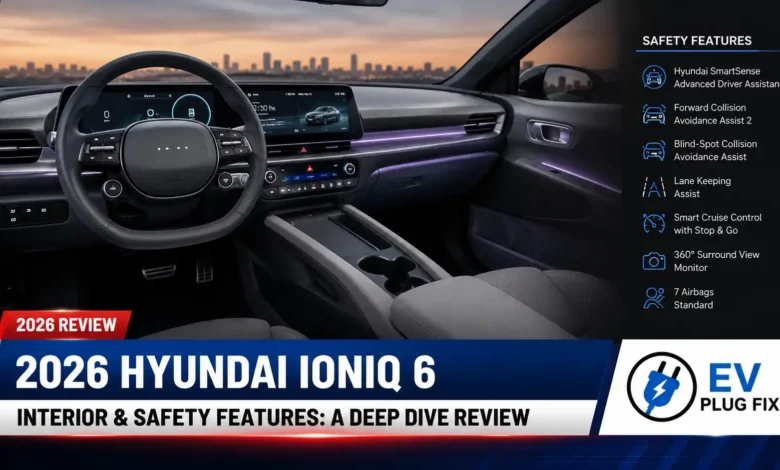
2026 Hyundai IONIQ 6 Interior & Safety Features: A Deep Dive Review
The growing adoption of electric vehicles (EVs) in 2026 brings with it a critical question for both new and experienced owners: How do you choose the best charging station to fit your lifestyle, budget, and vehicle? With an overwhelming variety of chargers available on the market—from compact portable units to high-powered wallboxes—the decision requires a clear understanding of your daily driving needs, home electrical capacity, and future-proofing requirements.
Before diving into specific models, it’s essential to understand the fundamental speed tiers available. The most common classifications for residential and semi-public use are 7kW, 11kW, and 22kW stations. Your choice here primarily depends on your car’s EV On-Board Charger Limits, as the vehicle dictates the maximum AC power it can accept. Installing a 22kW charger is only beneficial if your car has a compatible onboard rectifier; otherwise, it will simply draw its maximum lower rate, potentially making the higher equipment cost unnecessary.
For homeowners with a garage or dedicated parking space, installing a fixed unit is often the most convenient solution. However, this isn’t a simple plug-and-play affair. A successful setup involves more than just mounting the box on the wall; it requires careful consideration of your home’s main electrical panel. To avoid tripping breakers or overloading your supply, many installations integrate a dedicated energy management system. This is where Dynamic EV Load Balancing becomes a game-changer, allowing the charger to automatically adjust its power output based on the real-time consumption of your household appliances.
If a fixed wallbox isn’t practical—perhaps you live in an apartment or need to charge at multiple locations—then a mobile charger might be the answer. These units typically plug into standard household sockets or industrial CEE outlets, offering ultimate flexibility. A Mobile Wallbox Charging Guide can help you distinguish between the various plug types and amperages, ensuring you pack the right adapter for road trips or visits to relatives. Just remember that while convenient, these are generally slower than their permanently mounted counterparts.
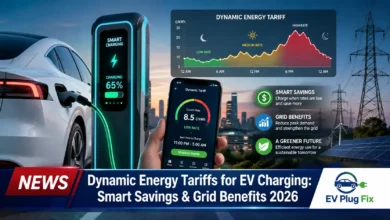
When weighing your options, it’s also wise to consider the long-term benefits of a smart charging system. Many modern wallboxes offer connectivity features that allow you to schedule charging during off-peak electricity tariffs, monitor energy usage via an app, and even integrate with solar panel systems. If you have photovoltaic panels on your roof, you should explore PV Surplus Charging Modes, which enable your car to charge primarily using excess solar energy, dramatically reducing your carbon footprint and electricity costs.
Furthermore, the safety and legality of your chosen setup cannot be overstated. While DIY installations are tempting, a significant majority of manufacturers and insurance providers mandate that high-power wallboxes be fitted by a qualified electrician. This ensures that the circuit is properly protected and grounded. Reviewing the local EV Charger Permit Requirements is a crucial step to avoid fines or invalidating your home insurance policy in the event of an electrical fault.
Ultimately, the “best” charger is the one that balances speed, safety, smart features, and price for your unique situation. For those who drive long distances daily, investing in a robust 11kW or 22kW wallbox with load balancing is highly recommended. For urban dwellers or those with limited mileage, a high-quality portable unit represents exceptional value and simplicity. The key is to plan for the next five years, not just the immediate present, ensuring your charging infrastructure grows with your needs.