EV Plug Types Explained 2026: Your Complete Reference to Charging Connectors
Electric vehicles (EVs) are rapidly reshaping the automotive landscape, and understanding the intricacies of charging is crucial for every owner. From the different levels of charging to the specific needs of your vehicle and home electrical system, navigating this new territory can seem daunting. This guide aims to demystify the technical side, focusing on efficiency, safety, and real-world practices to ensure you get the most out of every charge.
When considering the overall cost and environmental impact, it’s essential to look beyond the tailpipe. The conversation about sustainability heavily involves the energy source used to power your car. While EVs produce zero direct emissions, the electricity generation mix varies by region. A comprehensive look at EV vs Gas Emissions shows that even when accounting for manufacturing and electricity production, EVs typically have a significantly lower carbon footprint over their lifetime compared to internal combustion engine vehicles.
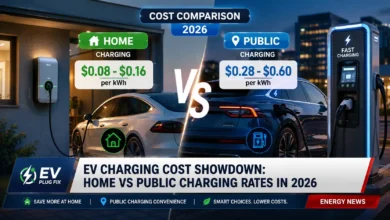
One of the most common concerns for new EV owners is the actual amount of energy received versus what is drawn from the grid. It’s a well-known fact that not all electricity pulled from the outlet makes it into your car’s battery pack. Energy is lost as heat during the charging process, leading to a discrepancy between what your charger reports and what your car stores. Understanding these EV Charging Losses is vital for accurate budgeting and assessing the true efficiency of your home charging setup.
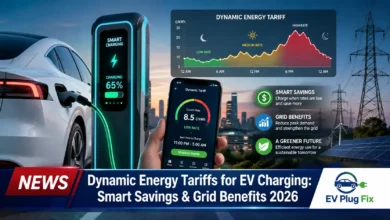
Choosing the right hardware for your home is a foundational step. The market offers a vast selection of chargers, each with different capabilities. For many, the decision boils down to installation requirements and smart features. A professional Home EV Charger Installation ensures safety and compliance with local codes, while modern units like the Smart Wallbox EV Charger offer connectivity, scheduling, and load management that can help optimize your electricity usage and avoid overloading your panel.

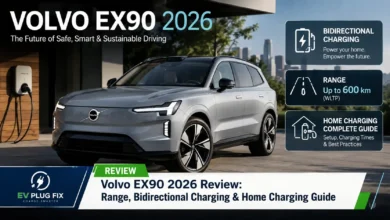
For those looking to maximize range and battery longevity, technology is constantly evolving. New innovations are emerging that help preserve energy and extend the distance you can travel on a single charge. Advancements like EV Range Boosting Technology are starting to appear, which utilize innovative materials to reduce overall vehicle weight and improve efficiency. Similarly, understanding the nuances of your battery’s chemistry and proper care, such as following the best EV Battery Health Tips, can significantly extend the useful life of your vehicle’s most expensive component.
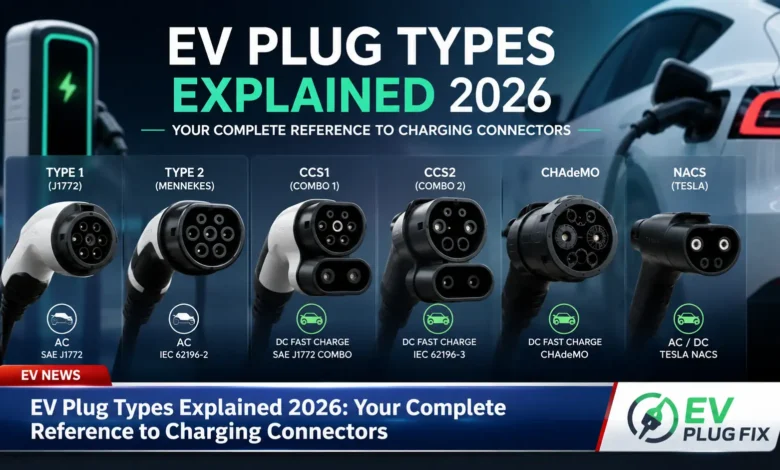
Efficiency is also heavily influenced by the technical standards of your charger and vehicle. The debate between connection types and power phases directly impacts how quickly and effectively you can replenish your battery. For instance, understanding the physical and protocol differences between the two main standards is key; a detailed J1772 vs CCS Charging comparison reveals that while J1772 handles AC charging, CCS adds dedicated DC fast-charging pins for rapid top-ups. Furthermore, the power supplied to your home matters immensely. A EV On-Board Charger Guide can help you understand how your vehicle’s internal converter interacts with your home’s electrical supply, influencing charge times significantly.
Finally, monitoring performance is key to a seamless experience. The charging process isn’t just a steady flow of electricity; it follows a specific EV Charging Curve that tapers off as the battery approaches full capacity to protect cell health. Many modern systems also benefit from enhanced cybersecurity and remote management via over-the-air updates, which is crucial for protecting your hardware and data. Staying current with EV Charging Security measures ensures your smart home system remains safe and functional. By staying informed on these topics, you can confidently navigate the world of EV ownership, saving money and reducing your environmental impact one charge at a time.