EV On-Board Charger Guide: Single-Phase vs Three-Phase Charging Speeds in 2026
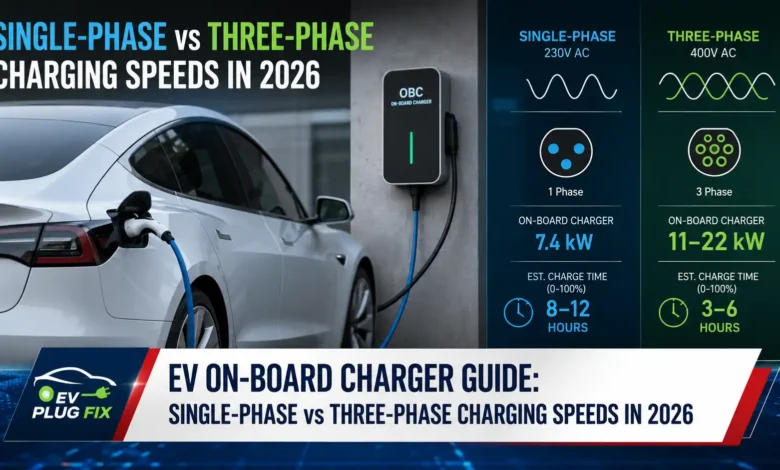
As electric vehicles continue to gain mainstream adoption across Europe, understanding the nuances of EV charging technology has never been more critical for owners, fleet operators, and property developers. The modern EV charging ecosystem is rapidly evolving beyond simple plug-and-charge setups, integrating sophisticated communication protocols, advanced energy management features, and smart grid interoperability that promise to reshape how we power our vehicles for decades to come.
The cornerstone of modern EV charging lies in the communication protocols that govern how vehicles and chargers interact. This digital handshake determines everything from power delivery optimization to battery protection and payment authorization. For enthusiasts and industry professionals alike, understanding these foundational systems can mean the difference between an efficient charging session and one plagued by compatibility issues or inefficiencies. For a deeper dive into the technical side, explore our detailed guide on EV Charging Protocols that explains the intricacies of vehicle-to-charger negotiation.
One of the most critical decisions EV owners face is choosing between alternating current (AC) and direct current (DC) charging solutions. Each serves distinct purposes and comes with its own set of infrastructure requirements, cost implications, and charging speed capabilities. While AC charging remains the most common solution for overnight home charging, DC fast charging has become essential for long-distance travel and commercial applications. Understanding the technical and practical differences between these two standards can significantly impact your charging experience and long-term satisfaction with your EV. Our comprehensive comparison of AC vs DC Charging offers practical insights to help you make informed decisions about your charging infrastructure.
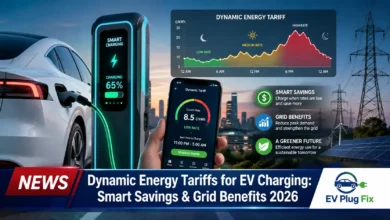
Beyond basic charging capabilities, modern smart chargers offer significant advantages over their standard counterparts through advanced features like load balancing, dynamic power distribution, and real-time energy management. These intelligent systems can optimize charging schedules based on electricity pricing, solar generation, and household consumption patterns, potentially saving hundreds of euros annually on electricity costs. For property owners managing multiple vehicles or commercial charging installations, the ability to allocate power intelligently across several charging points becomes indispensable. The detailed Smart EV Charger Comparison demonstrates how intelligent charging solutions can future-proof your investment while maximizing operational efficiency.
European drivers and property developers should also pay close attention to regional incentives and regulatory frameworks that can significantly offset installation costs. Countries like Germany have implemented generous subsidy programs for both residential and commercial charging installations, making the transition to EV charging infrastructure more accessible than ever. These financial incentives often cover up to a significant portion of the hardware and installation costs, making it an opportune time to invest in EV charging capabilities. Understanding the current incentive landscape can dramatically improve your return on investment, which is why we have compiled the latest information on Germany EV Charging Subsidies and other European programs to help you maximize available benefits.
Safety remains paramount in any EV charging installation, and advanced protection mechanisms have become standard features in modern charging equipment. Residual current devices (RCDs) provide essential protection against electrical faults, while smart charging systems incorporate multiple layers of safety protocols to prevent overcurrent, overheating, and other potential hazards. When selecting charging equipment, understanding the specific protection features available can help ensure your installation meets all regulatory requirements and provides reliable operation for years to come. For those considering specific hardware solutions, our detailed review of EV Charger RCD Protection offers valuable insights into contemporary safety technologies and their practical applications.
As the EV charging landscape continues to evolve, staying informed about emerging technologies, regulatory changes, and best practices becomes increasingly important. Whether you are a first-time EV owner considering home charging installation or a property developer planning large-scale charging infrastructure, the resources available at EVPlugFix.com can help guide your decisions and ensure successful outcomes. The combination of practical advice, technical insights, and up-to-date market information makes it easier than ever to navigate the complex world of electric vehicle charging.