How to Choose a Home EV Charger in 2026: Key Factors & Smart Picks
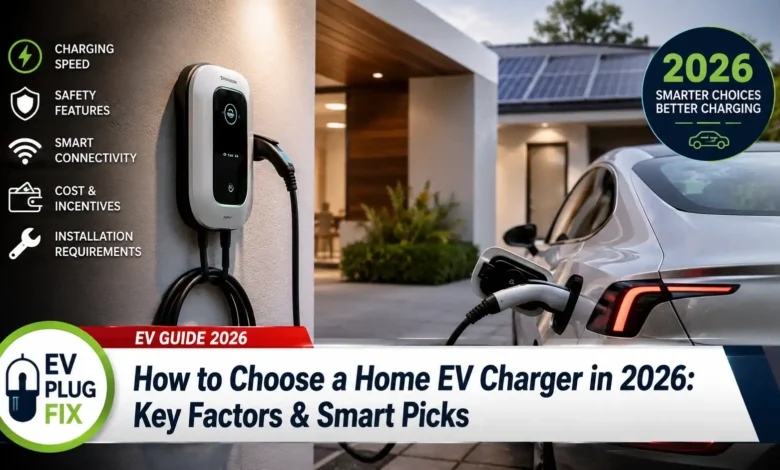
Choosing a home EV charger in 2026 is a pivotal decision that goes beyond simply picking the fastest model; it’s about aligning your daily driving habits, understanding your home’s electrical panel capacity, and setting a realistic budget for a seamless and future-proof charging experience. With the rapid adoption of electric vehicles, the convenience of waking up to a full charge each morning has become a cornerstone of EV ownership. In fact, research from Cox Automotive shows that a significant 87% of EV owners prefer using a home charge point, making it the most popular and cost-effective method for powering an electric vehicle .
This guide cuts through the marketing jargon to deliver essential, actionable advice on selecting the ideal home EV charger, ensuring you invest in a system that is safe, efficient, and tailored to your specific needs.
The Core Dilemma: Charging Speed vs. Real-World Needs
Before diving into smart features or aesthetics, the most fundamental choice for a home EV charger revolves around the two primary levels of charging speed: Level 1 and Level 2.
A Level 1 charger uses a standard 120-volt household outlet. It’s a convenient “trickle charger,” but its slow speed—adding roughly 3 to 5 miles of range per hour—makes it a poor choice for daily commuters . With a Level 1, fully recharging a modern EV can take a staggering 20 to 50 hours, making it suitable only for those who rarely drive or have a plug-in hybrid with a smaller battery .
For the vast majority of drivers, the gold standard for home EV charging in 2026 is a Level 2 EV Charger Installation, which operates on a 240-volt circuit like a clothes dryer. These units are a game-changer, typically adding 25 to 40 miles of range per hour and fully recharging an empty EV battery in just 6 to 10 hours . If you value convenience and want to avoid trips to public chargers, a Level 2 home EV charger is non-negotiable.
Level 1 vs. Level 2: A Side-by-Side Comparison
| Charging Level | Voltage / Typical Amps | Estimated Charge Time (BEV)* | Best For |
|---|---|---|---|
| Level 1 | 120V / 8-16A | 20 – 50+ hours | Low daily mileage, PHEVs, emergency backup |
| Level 2 | 240V / 16-80A (30-40A common) | 6 – 10 hours | Daily drivers, long commutes, multiple EVs |
*Approximate times based on a typical 2026 battery electric vehicle. Actual results vary by vehicle model and charger output .
Beyond Speed: The Essential Guide to Connectors and Compatibility
Ensuring your chosen home EV charger physically connects to your car is critical. For years, the J1772 connector has been the standard for Level 1 and Level 2 AC charging in North America. This is the plug you’ll find on most non-Tesla EVs .
However, the landscape is changing rapidly. Tesla’s NACS (North American Charging Standard), also known as J3400, is being adopted by a growing number of automakers starting with the 2025 model year. Understanding Cross-Brand EV Charging Compatibility is essential when planning for a charger that will serve you long-term.
This means you have two primary paths for your home EV charger:
- J1772 Charger: Perfectly compatible with the vast majority of EVs on the road today, excluding Tesla. Tesla owners can use an adapter (often included with the vehicle) to connect to a J1772 charger.
- NACS (J3400) Charger: Increasingly popular as a future-proof option. Native to Tesla and will be standard on new models from other manufacturers like Ford and GM. Owners of J1772 cars would need an adapter.
For maximum flexibility, especially for households with multiple EVs, a universal charger or an untethered unit that allows you to swap cables is an excellent strategy. You can explore Tethered EV Chargers Comparison to decide which cable configuration best suits your parking setup and usage patterns.

The connector landscape is shifting: J1772 remains standard, but NACS (J3400) is gaining ground for home EV chargers.
Smart Features: From Convenience to Essential Investment
Standard “dumb” chargers simply deliver power when plugged in. In 2026, the smart EV charger has moved from a luxury to a smart financial and practical investment, offering features that save you money and optimize your home’s energy usage .
Key smart home EV charger features to look for include:
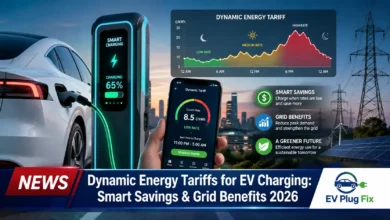
- Scheduled Charging: Program your charger to operate during off-peak electricity hours. This is the single most effective way to reduce your EV’s running costs. Many advanced systems also support EV Load Shifting Strategies to optimize energy consumption based on grid demand.
- Energy and Cost Monitoring: Track your charging history, energy consumption, and estimated costs directly from a smartphone app, giving you complete control and insight .
- Load Management: Prevents your home’s circuit breakers from tripping by automatically adjusting the charger’s power draw based on the total household demand. This is vital for homes with older 100-amp panels, potentially avoiding a costly upgrade. For a deeper dive into this feature, refer to our go-e Charger Load Management guide.
- Remote Start/Stop & Alerts: Control your charging session from anywhere and receive notifications if an issue arises .
While smart chargers have a higher upfront cost, the long-term savings on electricity and the added convenience make them a highly recommended choice .
Installation and Costs: The Financial Picture for 2026
The advertised price of a home EV charger is only one part of the total cost. Installation is a significant and necessary expense that should be factored into your decision.
A standard installation without major panel upgrades typically ranges from $749 to over $2,500, with the national average in the US sitting at around $1,700 . In the UK, you can expect to budget approximately £1,000 for a typical 7.2kW charger and standard installation .
The complexity and final cost depend on several variables:
- Electrical Panel Capacity: A 200-amp panel is recommended for a Level 2 charger. If you have an older 100-amp panel, your electrician may need to perform a load calculation to see if the system can handle the new EV load .
- Wiring Distance: The farther the charger is from your main electrical panel, the more wiring is required, increasing labor and material costs .
- Hardwired vs. Plug-In: A hardwired installation is generally safer and often required for chargers rated at 48 amps or higher. A plug-in version (using a NEMA 14-50 outlet) offers flexibility but can be more expensive to install .
This is not a DIY project. Installing a Level 2 charger involves high-voltage work, heavy-load calculations, and municipal permits. A licensed electrician ensures safety, code compliance, and protects your vehicle’s warranty. Improper installation can lead to electrical fires, void your insurance, and damage your car’s charging system. Regular EV Charging Maintenance Guide checks by a professional can also help maintain your system’s reliability.
Always check for federal tax credits, state, and local utility rebates that can significantly offset both the equipment and installation costs. These incentives are a key factor in making home EV charging more accessible .
Future-Proofing Your Home EV Charger in 2026
The EV and charging technology sectors are evolving at a breakneck pace. To protect your investment, consider these forward-looking points when choosing a home EV charger:
- Bidirectional Charging (V2H/V2G): This technology, which allows your EV to power your home (V2H) or send energy back to the grid (V2G), is gaining traction. While more expensive and not for everyone, planning for a charger with this capability can be a future-proof move for homes with solar panels or those seeking backup power. Pairing this with PV Surplus Charging can maximize your renewable energy usage.
- Cable Length: Ensure the charger’s cable (typically 20-25 feet) can comfortably reach your vehicle’s port, regardless of how you park. Tethered chargers offer convenience, while untethered models (with a universal socket) allow you to change cables if standards evolve or if you need a different connector for a second car .
- Over-the-Air Updates: Choose a smart EV charger that receives software updates. This ensures your device stays current with new features, security patches, and evolving grid integration standards .
“Choosing a charger from a reputable brand with proper safety certifications (e.g., UL Listing, ENERGY STAR) is critical for long-term reliability and safety. Future-ready solutions from companies like Feyree adapt to evolving electric vehicle technologies and home energy systems.”
Conclusion: Your Next Steps to Choosing the Right Home EV Charger
Selecting the perfect home EV charger in 2026 is a strategic choice that centers on your daily driving routine, your home’s electrical infrastructure, and how much you value advanced smart features. By prioritizing a Level 2 charger for speed, understanding connector compatibility (J1772 vs. NACS), and planning for a professional installation, you will ensure a safe and reliable charging setup for years to come.
Remember, an informed decision is the most cost-effective one. Consider your charging habits, consult with a licensed electrician, and don’t hesitate to invest in smart features that will pay for themselves through cheaper, more efficient charging.