Smart Wallbox EV Charger Benefits & Features in 2026: Why You Need One
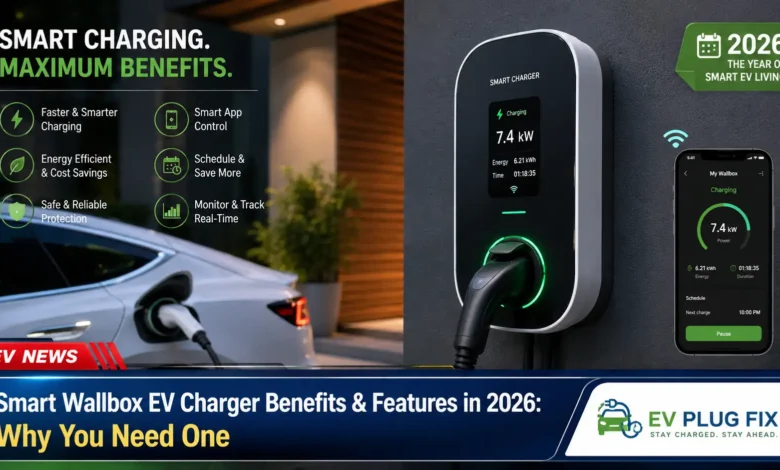
Smart wallbox technology is revolutionizing how electric vehicle owners power their cars in 2026, transforming a simple charging task into an intelligent, cost-saving, and highly efficient home energy management system. Gone are the days of merely plugging in and hoping for the best. Today, a smart EV charger acts as a personal energy assistant, providing total control over your charging progress, energy consumption, and costs from anywhere in the world. As the EV landscape evolves, with approximately 80% of all charging occurring at home or workplaces, upgrading to a smart charging station is no longer a luxury but a necessity for the modern EV driver. These advanced devices optimize charging times based on off-peak energy rates, integrate seamlessly with home solar systems, and offer a level of remote monitoring and intelligent control that standard “dumb” chargers simply cannot match.
This comprehensive guide explains everything you need to know about smart wallboxes in 2026. We will explore their core functionalities, the technology that powers them, and how they are becoming the default choice for EV drivers across Europe and beyond. Whether you’re a new EV owner or looking to upgrade your existing setup, understanding the benefits of smart charging is key to maximizing your electric vehicle experience. For those considering a Home EV Charger Installation, a smart wallbox represents the gold standard in modern charging infrastructure.
What is a Smart Wallbox and How Does It Work?
A smart wallbox is an advanced Level 2 AC charging station that connects to your home Wi-Fi or mobile network, enabling two-way communication between the charger, your electric vehicle, and a central management system through a dedicated app. Unlike standard chargers that simply deliver power at a set rate, a smart wallbox allows for dynamic control and monitoring. Think of it as the difference between a standard light switch and a smart home lighting system; one is on/off, the other offers scheduling, remote control, and energy optimization.
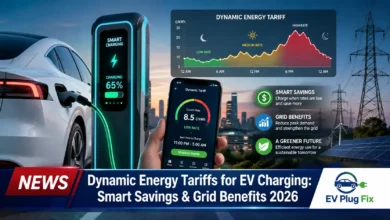
At its core, the intelligence of a modern smart wallbox is driven by software. This allows it to offer a suite of features designed to save money, reduce strain on the electrical grid, and improve the longevity of your EV’s battery. For instance, you can schedule your charging sessions to start automatically during off-peak hours when electricity is cheapest—a feature that is particularly valuable for drivers on tariffs like Octopus Energy or Scottish Power, where overnight rates can be as low as 7 pence per kWh. By automating this process, you can potentially save hundreds of pounds annually on your energy bills without any extra effort.
Furthermore, many smart chargers are equipped with load-balancing capabilities. This feature is crucial for homes with limited electrical capacity. It allows the charger to dynamically adjust its power draw based on the total energy being used by other household appliances, such as ovens or air conditioning units. This prevents tripped breakers and electrical faults, ensuring safe and stable charging without the need for an expensive panel upgrade. As EV adoption increases, with estimates suggesting over 200 million EVs could be on the roads globally by 2030, features like EV Charging Load Balancing will become essential for maintaining grid stability and protecting your home’s electrical infrastructure.
The Brains Behind the Operation: OCPP and Smart Features
The Open Charge Point Protocol (OCPP) is the industry-standard language that enables smart wallboxes to communicate with back-end systems and charging networks. Initially introduced in 2009 to overcome fragmentation in the EV charging landscape, OCPP has become the global standard, promoting interoperability and preventing “vendor lock-in”. This means you can choose a charger from one brand and a management system from another, giving you flexibility and control. The most commonly installed version is OCPP 1.6, but the more advanced version 2.0.1 offers enhanced features like support for Vehicle-to-Grid (V2G) integration and more detailed security protocols. Understanding the OCPP Charging Benefits is essential for anyone looking to future-proof their charging setup.
This communication protocol is what powers the most valuable smart features. For example, OCPP enables dynamic load management for multi-charger installations in apartment buildings or workplaces, a segment that is finally scaling across Europe. Products like the Wallbox Pulsar Pro are specifically designed for these environments, offering secure user authentication and accurate metering for home-charging reimbursement. For larger commercial sites, solutions like the eM4 Twin provide scalable workplace charging with dual outlets, intelligently balancing power across multiple vehicles.
Key Features of a Smart EV Charger in 2026
When shopping for a smart wallbox in 2026, you’ll find a range of features that go beyond simply delivering power. These features are designed to provide a superior, more integrated, and future-proof charging experience.
One of the most significant features is the ability to set charge limits. Instead of charging the battery to 100% every time, the charger can be set to stop automatically at a desired percentage, such as 80% for daily driving. This helps preserve the long-term health of your EV battery by reducing unnecessary stress and energy consumption. For more information on maintaining your battery’s longevity, check out our guide on EV Battery Health Tips to ensure you’re getting the most from your vehicle’s power source.
Smart chargers also provide invaluable insights into your energy usage. Through the manufacturer’s app, you can track how much energy you’ve used, calculate the cost of each charging session, and monitor your overall energy consumption trends. This data empowers you to make more informed decisions about your driving and charging habits.
go-e Charger: A Case Study in Smart Charging Excellence
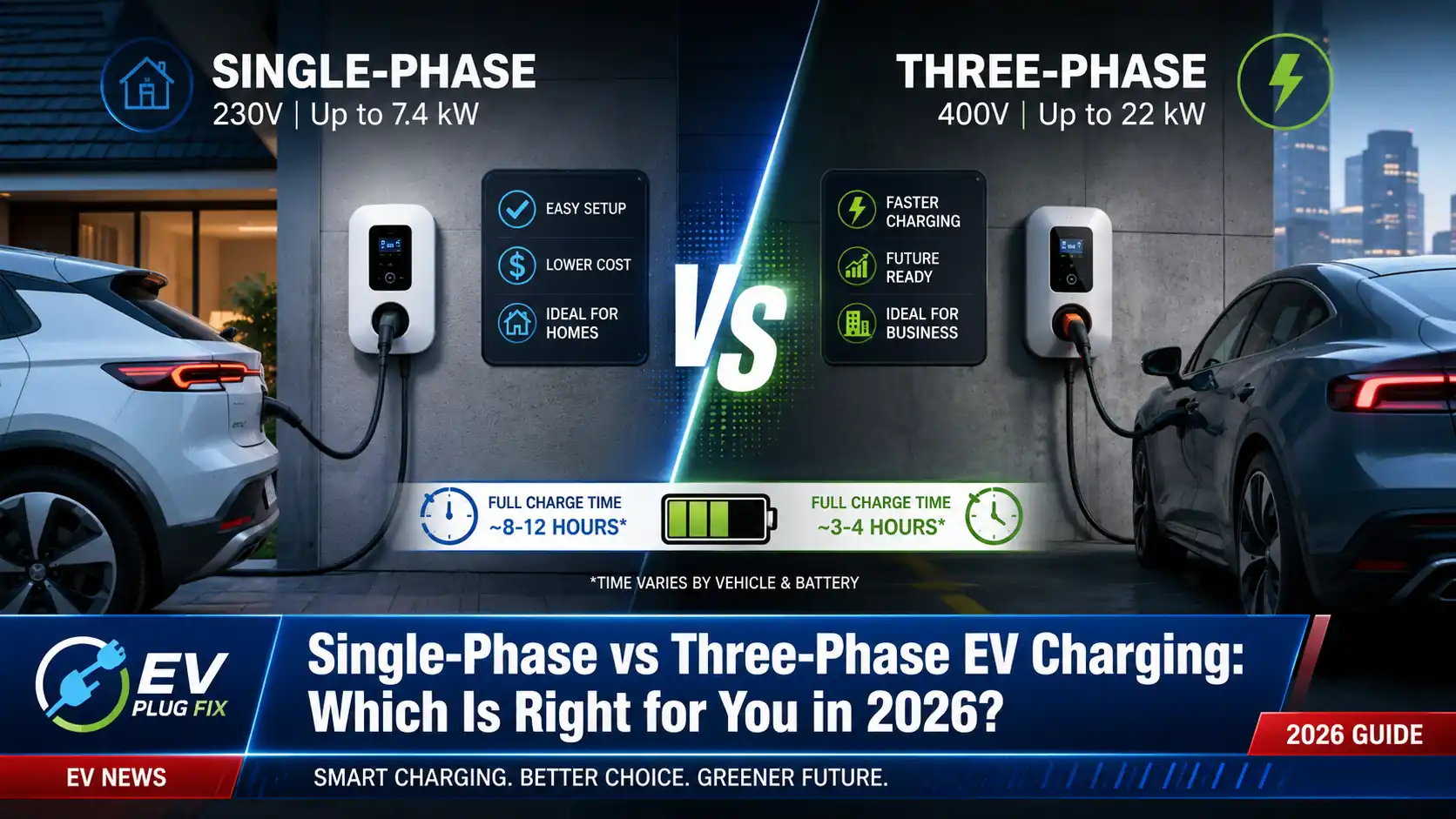
When discussing smart wallboxes, the go-e Gemini flex serves as a prime example of the versatility and power of modern EV chargers. This device, frequently recognized for its flexibility, can be used as a fixed wallbox or a mobile charging station in seconds. You can plug it directly into a standard industrial CEE 16 A three-phase socket, making it a truly plug-and-play solution for home or travel use.
The go-e Charger Gemini flex comes equipped with an integrated SIM card, ensuring reliable connectivity for its smart features, even if you’re out of Wi-Fi range. This allows for remote diagnostics, troubleshooting, and over-the-air updates, keeping the device current and improving over time. The device offers a maximum charging power of 11 kW, which is roughly 10 times faster than a standard household outlet. It is compatible with all modern EVs and is prepared for advanced functions like PV surplus charging and support for dynamic electricity tariffs. For those concerned about electrical safety, the charger’s built-in protection systems, including EV Charger RCD Protection, ensure your vehicle and home are safeguarded during every session.
Other notable models from go-e include the more powerful CORE 22 kW charger for faster charging and the Gemini 2.0, which is available with integrated mobile connectivity. Its open API interface also allows for integration into existing home energy management systems, giving tech-savvy users ultimate control.
Smart Charging and Home Energy Management
The true potential of a smart wallbox is unlocked when it is integrated into a broader home energy ecosystem. By 2026, smart charging has become the default expectation for EV drivers, and solutions are actively encouraging users to optimize when and how they charge. This goes beyond simply setting a schedule; it involves using surplus solar energy, avoiding grid overload, and even contributing to a more sustainable energy grid.
Solar self-consumption is a key selling point for many EV owners. A smart charger like the Indra Smart LUX can be set to charge your car primarily from the excess energy generated by your rooftop solar panels, allowing you to drive on sunshine. This significantly reduces your carbon footprint and dependency on the national grid. To further maximize your savings, you can explore available Germany EV Charging Subsidies and other regional incentives that make solar-integrated smart charging even more affordable.
As we look toward a future with more renewable energy, Wallbox emphasizes this trend, stating that software is now what turns charging into true energy independence. Their ecosystem, which combines smart chargers, energy meters, and software-driven insights through the app, puts drivers in complete control of their energy. For a real-world example of renewable integration, a study on an off-grid charging station in Benban, Egypt, demonstrated that a solar-powered EV station could achieve a Levelized Cost of Energy (LCOE) of just $0.111/kWh, proving the economic and environmental viability of such systems.
Is a Smart Wallbox Worth the Investment? Cost Analysis in 2026
The initial cost of purchasing and installing a smart wallbox is higher than a standard “dumb” charger, but the long-term savings and benefits far outweigh the upfront investment. The core of this financial argument lies in the ability to charge at the cheapest possible rates.
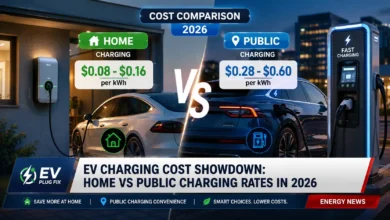
Charging at home on a standard tariff can cost around 30p per kWh, resulting in roughly £18 for a full charge of a 60kWh battery, or about 7p per mile. However, with a smart charger that can be scheduled to operate on an off-peak tariff—many of which offer rates as low as 7.5p per kWh—a full charge drops to approximately £4.50, or a mere 2p per mile. This represents a potential saving of over 70% on your home charging costs. Understanding EV Charging Losses can also help you optimize your setup and ensure you’re getting the maximum efficiency from every kilowatt-hour.
| Charging Scenario | Approx. Cost per kWh | Cost for 60kWh Charge | Cost per Mile (approx.) |
|---|---|---|---|
| Standard Home Tariff | 30p | £18 | 7p |
| Smart Charging (Off-Peak Tariff) | 7.5p | £4.50 | 2p |
| Public Rapid Charger | 60p – 75p | £36 – £45 | 14p – 18p |
This comparison highlights the massive potential for savings. Public rapid chargers, while essential for long journeys, are significantly more expensive, often costing between 60p and 75p per kWh. By using a smart wallbox to charge at home with optimized scheduling, you can avoid these high costs and keep your running expenses remarkably low.
Moreover, a smart charger can add value to your home. As EV adoption grows, potential buyers will increasingly view a smart charger as essential infrastructure, like a high-speed internet connection. This makes your property more attractive on the market. In many countries, governments and utility companies also offer rebates and incentives for installing smart, grid-aware chargers, further reducing the net cost.