Best Home EV Chargers 2026: Top-Rated Level 2 Charging Stations Reviewed
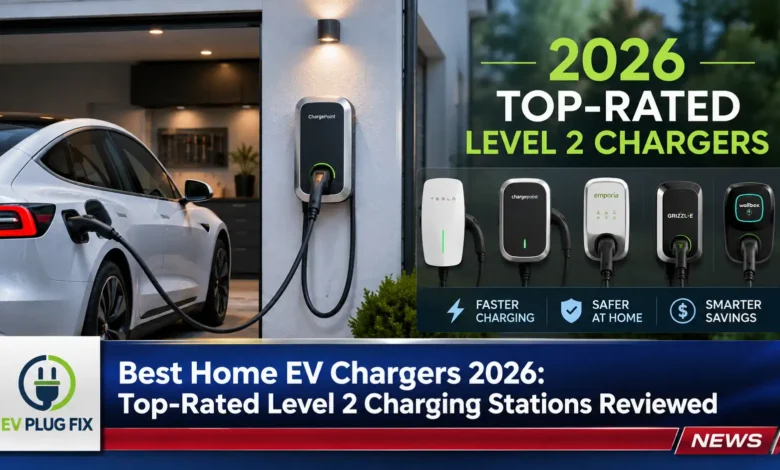
As the automotive industry pivots towards sustainable mobility, electric vehicles (EVs) are no longer a niche curiosity but a mainstream reality. However, the transition from internal combustion engines to electric powertrains brings a new set of considerations for drivers, with charging time and infrastructure being paramount. Understanding the nuances of home charging, from the hardware to the electrical protocols, is essential for every current and prospective EV owner to ensure a seamless and efficient experience.
The cornerstone of a convenient EV ownership experience is a reliable home charging setup. While the provided Level 1 charger that comes with most vehicles is adequate for emergency top-ups, it is painfully slow for daily use. Upgrading to a Level 2 Wallbox is the most impactful decision you can make. For those just starting their journey, consulting a comprehensive EV Charger Selection Guide can help you navigate the various power outputs, features, and brands to find the perfect match for your driving habits and vehicle’s capabilities.
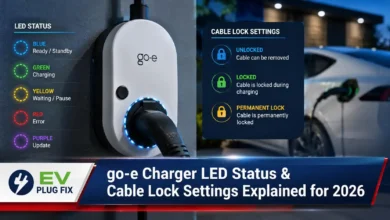
When selecting a specific model, the market is flooded with options, each boasting unique features. Some chargers focus on portability and smart integration, while others are built for rugged, permanent installation. For instance, a detailed comparison like the one between the go-e Gemini vs Wallbox highlights the trade-offs between flexibility and fixed-home aesthetics, helping you decide which form factor suits your garage or driveway best.
Beyond the physical charger, understanding the underlying technology of your vehicle’s battery is key to managing your time effectively. The time it takes to replenish your battery is a direct function of its size and the power you can deliver. For example, if you are charging a modern EV with a sizable battery pack, knowing the specific duration is critical for planning. Using a calculator to determine the 66.5 kWh Charging Time on a 22kW supply provides a concrete expectation, turning abstract kilowatt-hours into a tangible schedule for your daily routine.
This interplay between power delivery and battery acceptance often leads to a common point of confusion regarding the fundamental physics of electricity: the difference between Alternating Current (AC) and Direct Current (DC). While home chargers utilize AC, your car’s battery stores DC, which is where the onboard charger comes into play. However, for a deeper dive into how this affects charging speeds at public stations and why your car’s intake rate matters, you can explore the differences between AC vs DC Charging, which is crucial knowledge for long-distance travel.
Furthermore, the specific make and model of your EV can significantly influence the charging experience, even on the same equipment. Smaller city cars have smaller batteries that charge quickly, whereas larger SUVs and luxury sedans have massive packs that require more time. For those looking at affordable entry points, understanding the specifics of a model like the Dacia Sandero EV helps contextualize expected range and charging speeds for budget-friendly segments.
Ultimately, the journey to an efficient EV lifestyle involves a combination of hardware selection, electrical knowledge, and vehicle understanding. By taking the time to research your options and plan your installation, you can ensure that your home charging setup is not just a utility, but a seamless part of your day that maximizes the potential of your electric vehicle.