J1772 vs CCS: Key EV Charging Differences for 2026 Drivers
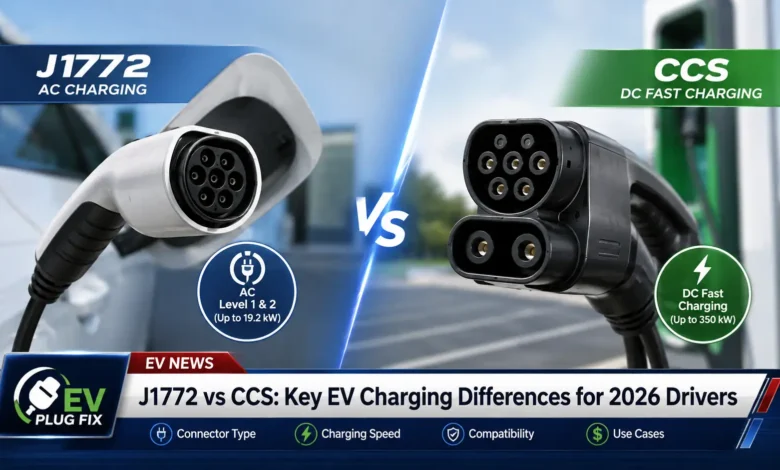
As electric vehicles continue to reshape the automotive landscape, understanding the nuances of charging technology becomes essential for both new and experienced EV owners. The journey from a depleted battery to a full charge involves a complex interplay of hardware, software, and infrastructure that can significantly impact your daily driving experience. From the type of charger you choose to the electrical capacity of your home, every decision plays a role in how efficiently and conveniently you can power up your vehicle.
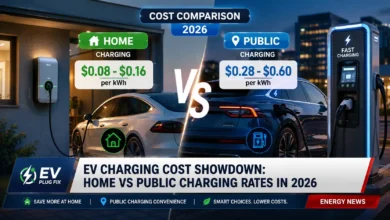
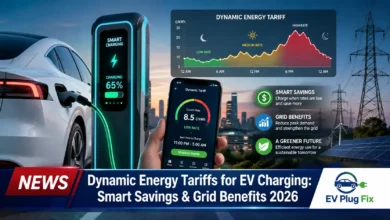
One of the first considerations for any EV owner is where and how you will charge your car. While public fast-charging stations are great for long trips, the majority of charging happens at home. A proper Home EV Charger Installation not only ensures safety and code compliance but also maximizes the charging speed your vehicle can accept. Many homeowners are now opting for smart wallboxes that can be scheduled to charge during off-peak electricity rates, saving money over time. Additionally, pairing your home setup with solar panels and battery storage can further reduce your carbon footprint, and in some regions, you might even benefit from programs like the Germany EV Charging Subsidies which incentivize sustainable energy integration.
When evaluating your home charging options, it’s crucial to understand the electrical demands of your vehicle. Most modern EVs come with an on-board charger that converts AC power from the grid into DC power for the battery. The speed of this conversion depends on whether you use a single-phase or three-phase connection. For a detailed breakdown of performance differences, check out this Single-Phase EV Charging Comparison to see which setup aligns with your driving habits and home electrical capacity. Higher-powered wallboxes can significantly cut down charging times, but they also require a compatible electrical panel and, in some cases, a load management system to prevent overloading your home’s circuit.
Beyond the charger itself, the efficiency of the entire charging process is a frequent topic of discussion among EV enthusiasts. Not all the electricity drawn from the outlet ends up in your battery; some is lost as heat in the cables, connectors, and the vehicle’s internal components. These EV Charging Losses can vary based on ambient temperature, battery state of charge, and the quality of your charging equipment. Being aware of these losses helps you better estimate your actual cost per mile and plan your charging sessions more effectively, especially if you are on a time-of-use electricity plan.
For those who own multiple electric vehicles or share a charging station with family members, managing the available power becomes a key concern. This is where intelligent systems come into play. Advanced wallboxes and charging apps now support EV Charging Load Balancing, which dynamically distributes electrical capacity between two or more vehicles to avoid tripping breakers while ensuring both cars get a sufficient charge overnight. This technology is particularly useful in households with limited panel capacity, as it allows you to prioritize one vehicle or split the power equally based on your departure times.
As the EV ecosystem evolves, so do the features that enhance security, convenience, and interoperability. Modern chargers often come equipped with built-in access control to prevent unauthorized use, especially in shared or commercial settings. Solutions like RFID EV Charger Access Control allow property managers and businesses to manage who can use the station and even track energy consumption per user. Meanwhile, over-the-air updates and cloud connectivity are transforming dumb chargers into smart devices that can receive new features and security patches, ensuring your investment remains future-proof and reliable for years to come.