Smart Wallbox Guide 2026: Why EV Owners Need Intelligent Home Charging
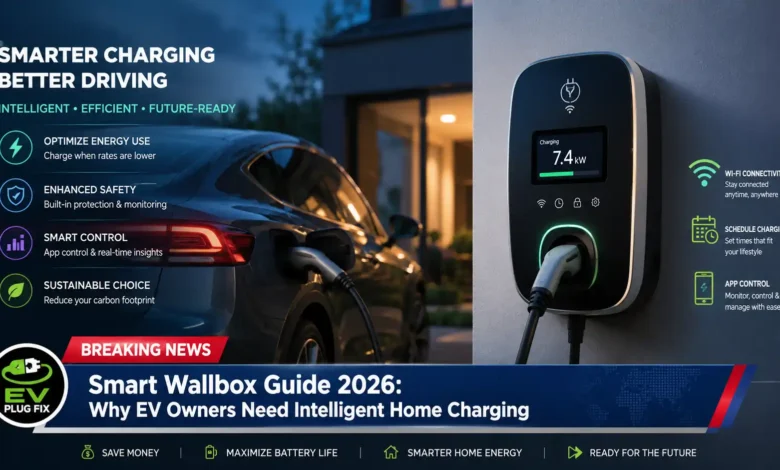
Smart wallbox adoption is becoming the defining upgrade for electric vehicle owners in 2026, transforming how drivers approach home charging. As EV adoption accelerates globally, the debate between using a standard household socket and investing in a dedicated smart wallbox has shifted from a luxury consideration to a practical necessity. This comprehensive analysis investigates why a smart wallbox is no longer an optional extra but an essential component of modern EV ownership, exploring the technology, costs, and future-proofing benefits that make these intelligent charging stations indispensable for savvy drivers.
For most electric car owners, the convenience of waking up to a fully charged vehicle each morning is non-negotiable. A dedicated smart wallbox delivers exactly that, offering charging speeds that dramatically outperform standard sockets. While plugging into a regular two-pin outlet might seem straightforward, it presents significant limitations that can frustrate even the most patient EV enthusiast. Charging from a household socket can stretch to 24 hours for a full charge, whereas a wallbox typically completes the task in just 2 to 6 hours, depending on battery capacity and charging power. To understand the technical differences in charging speeds across various scenarios, consult our comprehensive EV Charging Time guide for detailed comparisons.
Why Choose a Smart Wallbox Over a Standard Socket
The fundamental question many prospective EV buyers ask is: “Can’t I just plug my car into a regular socket at home?” The technical answer is yes, but the practical reality reveals a starkly different picture. Standard household outlets in Europe typically deliver between 2.3 kW and 3.7 kW of power, resulting in excruciatingly slow charging times. For vehicles with larger battery packs, this translates to charging sessions that span an entire day or more, severely limiting the usability of the vehicle for spontaneous trips.
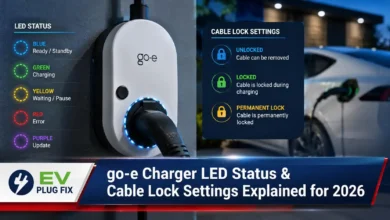
Smart wallboxes, on the other hand, operate at significantly higher power levels. Models like the go-e Charger CORE deliver up to 22 kW of charging power, while the Wallbox Pulsar Pro offers robust residential charging at up to 22 kW. This power differential means that a wallbox can replenish an EV’s battery in a fraction of the time, making daily driving routines far more manageable and less stressful. For instance, if you drive a Tesla Model 3, you can significantly reduce your overnight charging sessions with the right setup—learn more about Tesla Model 3 Charging Time optimization strategies.
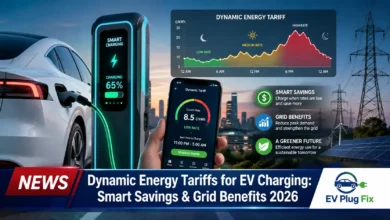
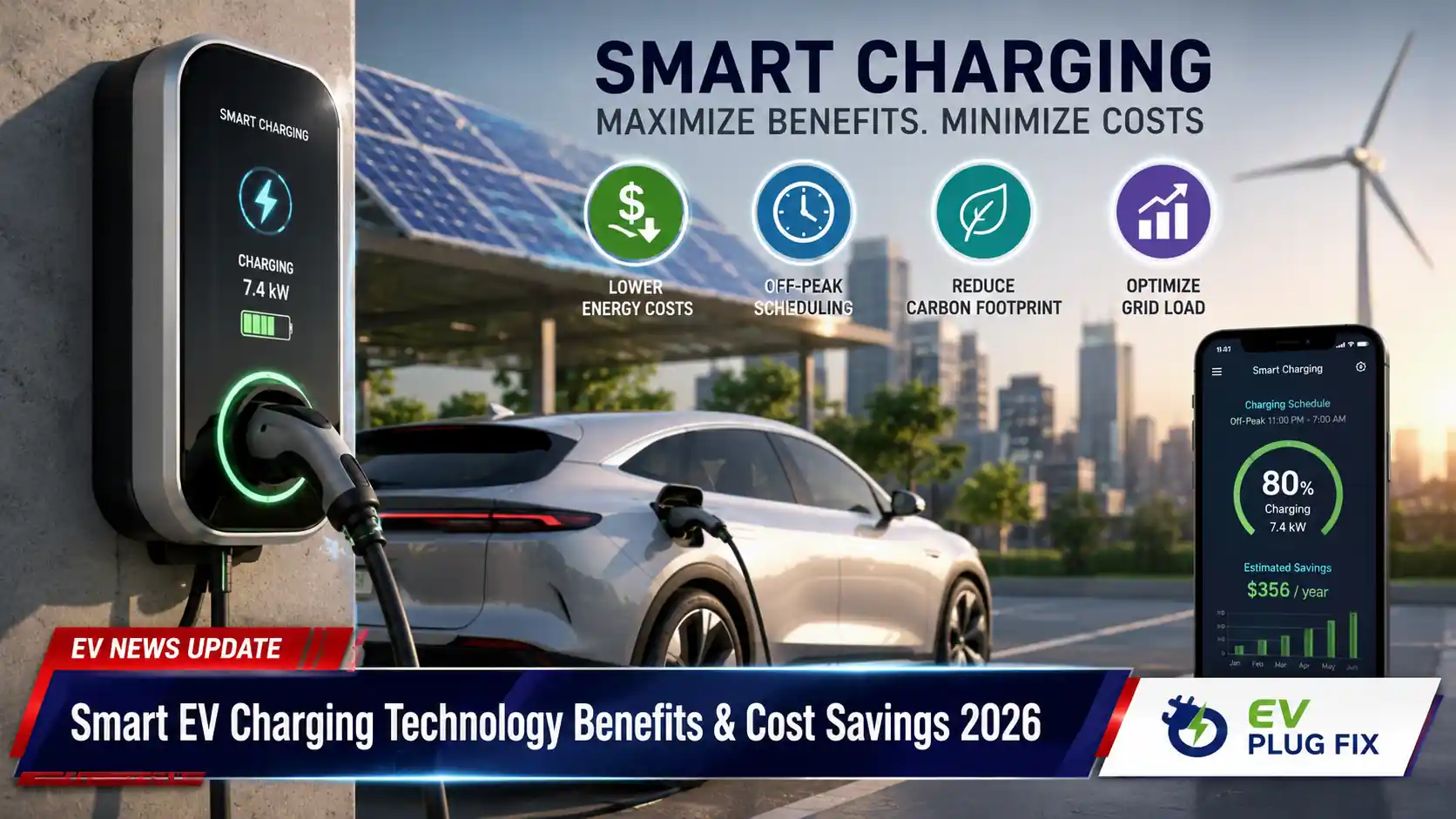
Beyond raw speed, smart wallboxes integrate seamlessly with modern energy management systems. They allow homeowners to schedule charging during off-peak hours, taking advantage of lower electricity tariffs and reducing strain on the grid. For instance, the go-e app enables users to set precise charging windows, such as starting at 2 AM and finishing by 6:30 AM, ensuring the vehicle is ready for the morning commute while optimizing energy costs. This capability turns charging from a passive activity into an active, cost-saving strategy. Understanding the broader benefits of such intelligent energy management can be explored further in our article on Smart EV Charging Benefits.
- Charging Speed: Wallboxes offer 7-22 kW power, reducing charging times from up to 24 hours to just 2-6 hours.
- Smart Scheduling: Automate charging during off-peak electricity tariffs to save money.
- Energy Management: Integrate with solar PV systems for sustainable, self-powered charging.
- Safety Features: Built-in DC protection and weatherproof housings enhance safety and durability.
Cost and Economics of Smart Wallbox Installation
Understanding the financial implications of a smart wallbox installation is crucial for any EV owner considering the upgrade. The initial investment for a professional Level 2 AC smart wallbox, including installation, typically ranges from $800 to $2,000. While this upfront cost might seem significant, federal tax credits and local incentives frequently offset up to 30% of these expenses, making the transition more affordable than ever in 2026. For a detailed breakdown of what to expect during the installation process and how to budget effectively, refer to our guide on Wallbox Installation Costs.
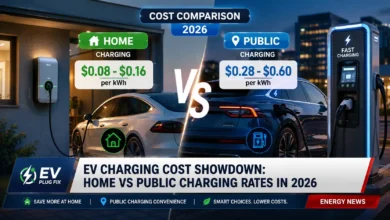
The long-term savings from smart charging can be substantial. With average residential electricity costs in the U.S. hovering around $0.18 per kWh, charging a 72 kWh battery costs roughly $12.96 at standard rates. However, by utilizing off-peak tariffs—often as low as $0.08 to $0.10 per kWh—the same full charge costs just $6.48. Over a year of regular driving, these savings can exceed $1,000 per vehicle compared to fueling an internal combustion engine.
In the UK, drivers using EV-friendly tariffs from providers like Octopus Energy and Scottish Power can pay as little as 7 to 9 pence per kWh for overnight charging. This makes home charging dramatically cheaper than petrol or public fast charging, reinforcing the economic argument for installing a smart wallbox as a long-term investment.
| Charging Method | Cost per kWh | Cost for 100 Miles | Charging Time (0-100%) |
|---|---|---|---|
| Home (Standard Rate) | $0.18 | ~$5.40 | 10-24 Hours |
| Home (Off-Peak) | $0.09 | ~$2.70 | 2-6 Hours |
| Public AC Charging | $0.32 | ~$9.60 | 2-5 Hours |
| DC Fast Charging | $0.48 | ~$14.40 | 20-40 Minutes |
Top Smart Wallbox Models Compared for 2026
The smart wallbox market in 2026 offers compelling options tailored to diverse user needs, from residential convenience to commercial fleet management. The go-e Charger CORE and Gemini Flex 2.0 stand out for their flexibility and future-ready features. The CORE model, with its fixed 6-meter Type 2 cable, is ideal for home users seeking simplicity, while the Gemini Flex 2.0 offers mobile capability via a CEE 16 A plug for versatile indoor and outdoor use. Both models support up to 22 kW charging and include DC protection modules for enhanced safety. When selecting the right cable to match these high-power wallboxes, it’s essential to understand the different Type 2 Cable Ratings available to ensure optimal performance.
For shared residential, workplace, and fleet environments, the Wallbox Pulsar Pro 2026 excels with integrated MID-certified energy measurement for accurate billing, IP55 weatherproof rating, and multiple connectivity options including Wi-Fi, Ethernet, and 4G. This model is also AFIR and ISO 15118 ready, ensuring regulatory compliance for future smart charging requirements.
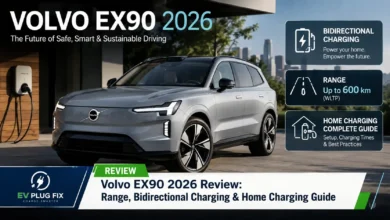
The Wallbox Pulsar Plus remains a top contender for U.S. residential use, offering up to 11.5 kW of power with compatibility for J1772 and NACS connectors, while the Wallbox Quasar 2 leads the charge in bidirectional charging technology, allowing EVs to power homes during peak energy times or outages.
- go-e Charger CORE: Up to 22 kW, fixed Type 2 cable, ISO 15118 V2X ready, smart solar charging.
- go-e Gemini Flex 2.0: Up to 11 kW, mobile CEE plug, integrated SIM for 4G connectivity, remote diagnostics.
- Wallbox Pulsar Pro: Up to 22 kW, MID meter, RFID/app access, IP55, 4G/Wi-Fi/Ethernet.
- Wallbox Quasar 2: Bidirectional charging, home backup power, solar integration, up to 11.5 kW.
Future-Proofing Your EV Charging Setup
Investing in a smart wallbox is not just about addressing current charging needs; it’s about anticipating the future of electric mobility. Key technologies like ISO 15118 compliance and bidirectional charging are becoming standard features in leading wallbox models. The go-e Charger CORE and Wallbox Pulsar Pro are already V2X and Plug&Charge ready, meaning they can support vehicle-to-home (V2H) and vehicle-to-grid (V2G) capabilities once regulatory and infrastructure frameworks are finalized.
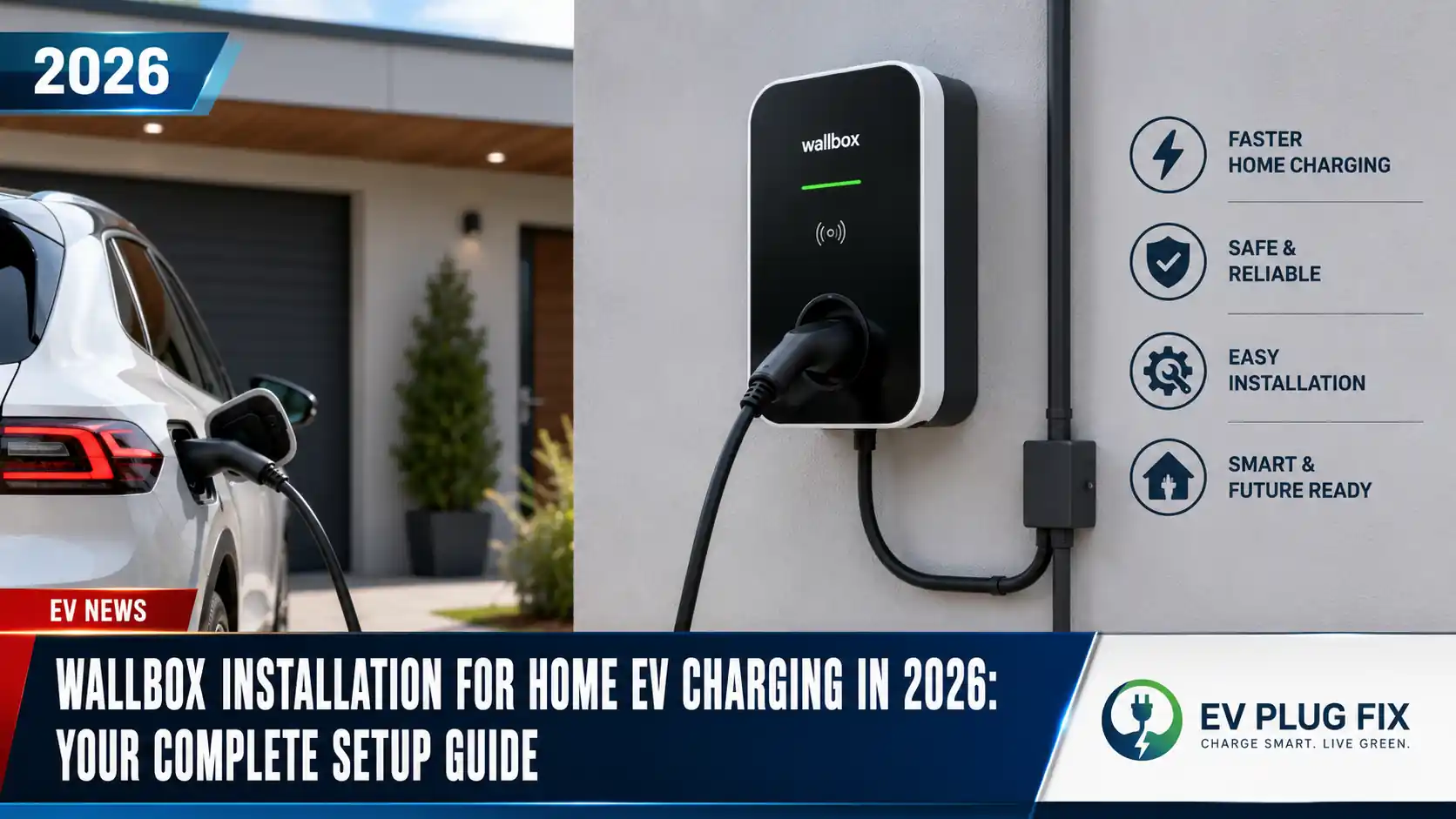
Bidirectional charging represents a paradigm shift in how EVs interact with home energy systems. By allowing energy to flow both ways, EVs can serve as backup power sources during outages or reduce household energy costs by using stored battery power during peak tariff periods. Wallbox’s Quasar 2 can keep essential appliances running for up to three days during an outage, transforming the EV from a mobility asset into a household energy resource. To learn more about managing energy flow and optimizing consumption across your home and vehicle, explore our article on EV Peak Shaving strategies.
Smart wallboxes also offer significant advantages for property owners and landlords. As EV adoption grows, rental properties equipped with smart charging infrastructure become more attractive to tenants. Solutions like the Wallbox Pulsar Pro with RFID access control allow multiple users to charge fairly and securely without overloading building infrastructure. In markets like Germany and Austria, go-e has already established a market leadership position in residential and light commercial charging, with its ecosystem of integrated partners expanding weekly.
- ISO 15118 Ready: Enables Plug&Charge for automatic authentication and billing without RFID cards or apps.
- V2X & Bidirectional: Future-proof your home by enabling the EV to power your house or feed energy back to the grid.
- Over-the-Air Updates: Receive software enhancements and security fixes remotely for continuous improvement.
- PV Solar Integration: Charge your EV with surplus solar energy, maximizing renewable self-consumption.