Best European EV Road Trip Routes & Portable Chargers Guide 2026
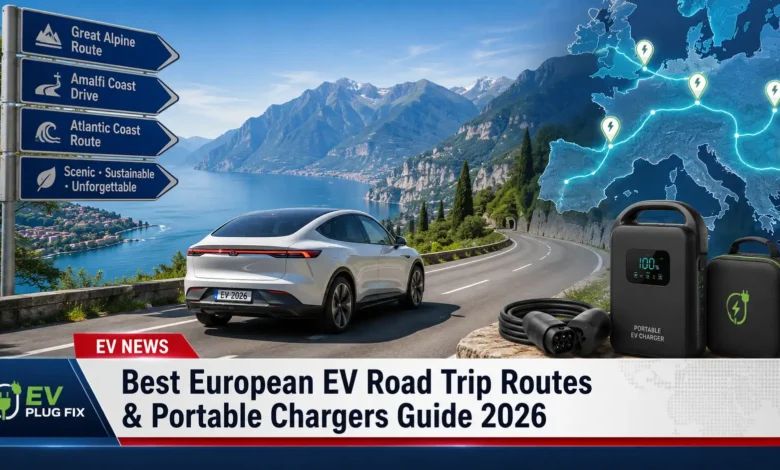
European electric vehicle road trips have transformed from a niche ambition into a mainstream reality in 2026, with more than 80% of EV drivers now planning at least one long-distance journey this summer, according to recent industry data. The continent’s rapidly expanding charging network, combined with increasingly capable EVs and innovative portable charging solutions, has opened up a world of possibilities for sustainable travel. From the turquoise waters of Slovenia’s Soča Valley to the dramatic fjords of Norway, Europe’s diverse landscapes are now more accessible than ever for electric vehicle owners. This comprehensive guide explores the continent’s most captivating EV-friendly routes, provides essential battery management strategies, and highlights the latest portable charging technology—including top-performing options from Feyree and other leading brands—to ensure your journey is as seamless as it is memorable.
Discover Europe’s Most Captivating EV Road Trip Routes
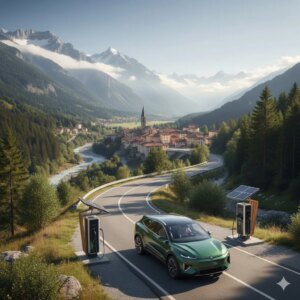
Europe’s diverse geography and rich cultural tapestry create an ideal setting for electric vehicle exploration. The continent’s commitment to sustainable transportation is evident in its ever-expanding charging infrastructure, with countries like the Netherlands, Germany, and Norway leading the way in both charger density and renewable energy integration. Whether you’re seeking alpine adventures, coastal cruises, or cultural city-hopping, Europe’s EV-friendly routes offer something for every type of traveler. Understanding the Smart EV Charging Benefits can help you make the most of these diverse charging networks.
Soča Valley, Slovenia: A Natural Paradise for EV Explorers
Tucked away in northwestern Slovenia, the Soča Valley presents one of Europe’s most enchanting EV road trip destinations. This pristine alpine region, with its crystal-clear turquoise waters cutting through dramatic mountain landscapes, offers the perfect blend of outdoor adventure and peaceful retreat. Towns like Bovec, Kobarid, and Tolmin are equipped with fast charging stations delivering 50 kW or more, ensuring hassle-free recharging even during mountain excursions. The suggested itinerary begins in Ljubljana, Slovenia’s charming capital, winding through the Vipava Valley’s emerald vineyards before ascending toward the Julian Alps and culminating in an exploration of the Soča Valley’s renowned hiking trails, kayaking spots, and historic war memorials. With a total loop of approximately 180 kilometers, this route offers flexibility for both day trips and extended stays. Travelers should note that colder months, while offering stunning snow scenery, can reduce battery efficiency by roughly 20-30%, making precise stop planning and portable charger backup essential.
Netherlands: From Rotterdam to Groningen on Easy Terrain
The Netherlands offers perhaps the most EV-friendly terrain in Europe, with flat roads that minimize battery drain and create relaxed driving conditions. This route connects the modern skyline of Rotterdam with Amsterdam’s world-famous canals, the iconic windmills near Zaanse Schans, and finally Groningen’s vibrant cultural scene. A key advantage here is the density of charging stations—numerous Level 2 and DC fast chargers are concentrated near popular tourist spots, shops, and accommodations. The relatively short distances between stations mean you can enjoy the journey without the stress of long waits or range anxiety. Apps like PlugShare and Chargemap make it easy to locate charging points in real-time, ensuring you’re never far from a power source in this cycling and EV-friendly nation. For homeowners considering installing their own charging solution, understanding Wallbox Installation Costs can help you prepare for convenient at-home charging.
Bergen to Ålesund, Norway: Majestic Fjord Views and EV Adventure
Norway stands as a global leader in EV adoption, making it an exceptional destination for electric road trips through dramatic fjords and cascading waterfalls. The route from Bergen to Ålesund delivers rugged beauty with breathtaking views at every turn, though the steep, winding roads and cool temperatures present battery challenges that increase electricity consumption. Slow and steady driving combined with regenerative braking helps recover energy on descents, maximizing your range in this demanding terrain. Fortunately, Norway offers a dense network of fast chargers strategically positioned in towns and ferry ports, ensuring charging convenience matches the natural splendor. The country’s commitment to sustainable transportation is evident in its extensive charging network, with many stations powered by renewable hydroelectric energy, making this one of the most environmentally friendly and rewarding electric road trips available in Europe. Implementing Dynamic EV Load Balancing at charging hubs helps manage power distribution efficiently during peak tourist seasons.
Black Forest, Germany: Fairy-tale Forests and Historic Towns
The Black Forest region beckons travelers seeking a blend of nature, history, and culture. Starting in Baden-Baden—a historic spa town—the scenic B500 “Black Forest High Road” winds through dense woodlands, past the cascading Triberg waterfalls and tranquil Titisee Lake, extending to the borders of Switzerland and Austria. Germany’s advanced charging infrastructure extends well into this region, with stations in main cities and most tourist towns. However, planning is essential once you venture off main roads, as some rural stretches have fewer chargers. Driving tips include keeping your battery topped-up and enjoying local specialties in charming villages. Summer offers hiking and biking opportunities, while winter attracts snow sport enthusiasts, making the Black Forest a year-round destination for EV travelers seeking both adventure and cultural enrichment.
Jura Mountains: Swiss-French Cross-Border Serenity
Straddling the Swiss-French border, the Jura Mountains offer a peaceful escape amid rolling hills, traditional villages, and dense forests. Towns like Yverdon-les-Bains in Switzerland and Saint-Claude in France serve as reliable charging bases, with Europe’s cross-border charging networks making this a smooth travel zone for EV drivers. The Jura showcases year-round activities—skiing and winter trails in cold months, blooming alpine meadows and hiking routes in warmer seasons. Access to real-time charging information through apps like easyCharging allows confident navigation through this picturesque but sometimes remote mountainous area, ensuring you can focus on enjoying the region’s natural beauty rather than worrying about your next charge.
Vosges Mountains, France: Nature and Authentic Alsace
The Vosges Mountains, less traveled than the Alps, offer serene forests, lakes, and authentic Alsace villages that capture the essence of rural French charm. Strasbourg and Colmar, two well-equipped towns with fast chargers, act as gateways to this peaceful region. EV tourists here can expect easy access to charging, especially in larger towns and roadside areas, with the region’s relatively gentle terrain making for efficient battery use. This area’s peaceful nature and historical richness make it a rewarding destination for an electric road trip less focused on speed and more on savoring the journey through one of France’s most authentic and culturally significant regions.
Saxon Switzerland National Park, Germany: Rocks and Rivers
Near Dresden, Saxon Switzerland National Park enchants with dramatic sandstone pillars that have inspired artists and climbers for generations. The proximity to urban centers means plentiful chargers nearby, with smaller towns hosting Level 2 stations suitable for overnight replenishment. Mix outdoor adventure with cultural history by visiting the Königstein Fortress and exploring the surrounding trails. Winter’s snow transforms the park into a wonderland, though drivers should prepare for minor range reductions under colder conditions and consider portable charging options for added peace of mind in this stunning but sometimes remote natural setting.
Essential EV Travel Tips for European Road Trips
Charging Network Overview
Europe’s charging infrastructure has evolved into a diverse and extensive network that supports seamless cross-border travel. The charging ecosystem ranges from home-style AC chargers ideal for overnight replenishment to ultra-fast 350 kW+ DC chargers on highways that can add hundreds of kilometers of range during short stops. Countries like the Netherlands, Germany, France, and Norway lead with dense networks, while rural or mountainous areas require more advanced planning. The continent’s commitment to standardized charging connectors, particularly the Type 2 and CCS standards, has simplified the charging experience for most EV drivers. This evolution is part of the broader EU EV Charging Network expansion that continues to enhance cross-border travel.
Understanding the different charging levels is crucial for effective trip planning:
- Level 1 (AC) Charging: Uses standard household outlets (2-3.7 kW), adding approximately 3-5 miles of range per hour. Ideal for overnight charging at hotels or homes.
- Level 2 (AC) Charging: Delivers 7-22 kW, adding 15-30 miles of range per hour. Commonly found at shopping centers, workplaces, and destination accommodations.
- DC Fast Charging: Provides 50-350 kW, charging from 10-80% in 20-40 minutes. Essential for highway travel and longer journeys.
- Ultra-Fast Charging: Offers 350 kW+, with some systems exceeding 500 kW for commercial vehicles, adding hundreds of kilometers in 10-15 minutes.
Apps such as easyCharging, Chargemap, and PlugShare provide real-time station information, compatibility checks, and route planning that integrates charging stops efficiently, making it easier than ever to navigate Europe’s charging infrastructure.
Maximizing Your EV’s Range
Getting the most from your EV battery requires a combination of smart driving habits, proper vehicle maintenance, and strategic planning. Green NCAP testing has shown that efficiency varies significantly between models, with top performers like the Mercedes CLA EQ 250+ consuming just 16.5 kWh per 100 km in real-world conditions. Understanding your vehicle’s efficiency patterns and adapting your driving style can significantly extend your range. Familiarizing yourself with EV Charging Time expectations can help you plan more efficient charging stops along your route.
- Start with a full battery and aim not to drop below 40% to reduce stress and maintain flexibility.
- Adjust for terrain and temperature: Hills, mountains, and cold weather increase power consumption—keep extra buffer range.
- Use regenerative braking whenever possible to recapture energy during descents and deceleration.
- Limit HVAC use and pre-condition your vehicle while plugged in to maximize battery power for driving.
- Select “Eco” or “Range” driving modes where available to optimize energy consumption.
- Maintain moderate speeds—high-speed driving, particularly on derestricted autobahns, significantly reduces range.
Research shows that range anxiety plays little or no role for more than half of EV drivers, indicating that with proper planning and equipment, the fear of running out of power is becoming a thing of the past.
Emergency Preparedness
While Europe’s charging infrastructure continues to improve, smart travelers prepare for unexpected situations. The key to stress-free EV travel lies in redundancy—having backup options when your primary charging plan falls through. Carrying a reliable portable charger is one of the best ways to ensure you’re never stranded, complementing the public charging network with the flexibility of Home EV Wallbox Charging capabilities wherever you have access to an electrical outlet.
- Carry international charging adapters and cables to handle various plug types encountered across different countries.
- Download offline charger maps for areas with poor mobile coverage to ensure you can always find a charge.
- Consider a portable charger or power station as an emergency backup for remote areas.
- Know local emergency numbers and EV-specific roadside assistance contacts for each country you visit.
- Plan for failures by having multiple charging options at each stop—as IONITY data shows, busy service stations can have queues or occasional failed charges.
Portable EV Chargers: Your Essential Travel Companion
A reliable portable EV charger has become an indispensable tool for European road trips, offering flexibility and peace of mind beyond what public charging infrastructure can provide. These compact devices allow you to tap into a hidden network of electrical outlets at hotels, campsites, and private homes, essentially transforming everyday AC power into usable range for your EV. The latest portable chargers combine advanced safety features, smart connectivity, and impressive charging speeds that make them practical alternatives to fixed wall boxes.
Recent testing by the Touring Club Switzerland reveals that price doesn’t always determine quality when it comes to EV charging equipment, with some surprisingly affordable options performing at the highest level. This democratization of charging technology has made EV travel more accessible than ever.
Feyree Portable Chargers: Performance and Value Leaders
Feyree has emerged as a standout performer in the portable EV charger market, earning “excellent” ratings in independent testing for its combination of performance, features, and exceptional value. The brand’s chargers have impressed reviewers with their ease of installation, comprehensive feature sets, and competitive pricing that often undercuts established European brands by significant margins.
Feyree 16A 3.5kW Charger: Lightweight and durable with adjustable current settings, this charger features an OLED display providing real-time charging information and comprehensive protection features. Ideal for cross-border travelers, it’s compatible with various EV models and offers the perfect balance of portability and performance for emergency charging needs.
Feyree Type 2 32A 7kW Charger: This higher-powered model includes WiFi control for real-time monitoring and scheduling, allowing you to optimize charging times based on electricity rates or your departure schedule. Its rugged, heat-resistant construction makes it perfect for higher-power portable use, and it has been identified as a top performer in comparative testing.
Other Leading Portable Charger Options
While Feyree represents excellent value, several other brands offer compelling portable charging solutions for European EV travelers.
Grizzl-E Mini: Built with robust all-weather construction, this charger features adjustable amperage and carries important safety certifications, making it suitable for year-round use in various European climates.
MEGEAR Skysword II: A budget-friendly 7.7kW charger with multiple plug options, offering simplicity and reliability for travelers who want straightforward charging without unnecessary complexity.
go-e Charger Gemini flex 2.0: This smart 22kW charger with app control appeals to tech-savvy EV owners who want the fastest possible portable charging and advanced connectivity features. The go-e PV Surplus Charging capability also makes it ideal for those combining solar energy with their EV charging setup.
When selecting a portable charger, consider your vehicle’s maximum charging rate, the types of outlets you’ll most likely encounter, and the balance between charging speed and portability that best suits your travel style.
Portable Power Stations: Supplemental Backup Power
High-capacity portable power stations with inverters (500Wh to 1000Wh or greater) can complement portable chargers by providing off-grid power in remote areas. While these devices cannot fully charge an EV battery, they can run portable chargers overnight or power smaller accessories, expanding your travel options in extremely remote locations.
It’s important to note that portable power stations are best viewed as emergency backup solutions rather than primary charging sources. A fully charged 2 kWh power station might add just 6-8 miles of range, making it an expensive way to charge your vehicle. Their real value lies in powering camping equipment, laptops, and other accessories without draining your car’s main battery.
Safety Certification and Standards
When purchasing any portable EV charger, safety certification should be a top priority. Look for equipment that is tested to recognized standards such as UL2594, which defines safety and performance requirements for EV supply equipment. These certifications ensure that chargers have been tested for:
- Overcurrent, overvoltage, and ground-fault protection
- Thermal performance and overheat protection
- Sustained operation at rated load
- Surge and transient exposure
The European charging ecosystem continues to evolve, with unified standards making cross-border travel increasingly seamless. The dominance of Type 2 and CCS connectors across Europe means most travelers can use their portable chargers across multiple countries without needing additional adapters.
Frequently Asked Questions
How much does it cost to road trip across Europe in an EV?
What's the best EV for European road trips in 2026?
Are portable EV chargers worth buying for European travel?
How do I find charging stations in remote European areas?
What type of charging cable do I need for European EV travel?
The Future of European EV Travel: A New Era of Sustainable Exploration
European EV road trips in 2026 represent more than just a sustainable travel option—they offer a fundamentally different and often superior travel experience. Industry data shows that over 80% of EV drivers now plan long-distance summer journeys, with more than half reporting that range anxiety plays little or no role in their travel plans. The transformation has been remarkable, driven by rapid infrastructure expansion, improving vehicle technology, and the growing availability of reliable portable charging solutions.
What makes EV travel in Europe particularly compelling is how it changes the journey itself. Rather than rushing through long-distance drives with quick fuel stops, EV travelers are discovering the benefits of planned breaks, with many reporting that charging stops provide opportunities for meals, coffee, and rest that make the overall journey more enjoyable. The slower, more intentional pace of EV travel aligns perfectly with the European tradition of savoring the journey as much as the destination.
Whether you’re exploring Slovenia’s untouched Soča Valley, experiencing the cultural blend of Dutch cities, navigating Norway’s majestic fjords, or discovering Germany’s enchanting forests, Europe’s electrified roads invite every traveler to create unforgettable memories while contributing to a more sustainable future.
The combination of smart route choices, sound battery care practices, and dependable portable charging gear—especially innovative solutions from brands like Feyree and other leading manufacturers—enables worry-free exploration across the continent. Europe’s green highways are waiting, and with the right preparation, the journey of a lifetime is within reach for every EV traveler.
| Route | Distance | Best Season | Charger Density | Recommended Portable Charger |
|---|---|---|---|---|
| Soča Valley, Slovenia | ~180 km loop | Spring/Fall | Moderate in towns | Feyree 16A 3.5kW |
| Netherlands (Rotterdam-Groningen) | ~200 km | Spring/Summer | High along route | go-e Charger Gemini |
| Norway (Bergen-Ålesund) | ~400 km | Summer | High in populated areas | Feyree Type 2 7kW |
| Black Forest, Germany | ~250 km | Summer/Winter | Moderate to High | Grizzl-E Mini |
| Jura Mountains (Swiss-French) | ~200 km | Year-round | Moderate | Feyree 16A 3.5kW |