Dacia Sandero EV 2027: Price, Range & Platform Rumors [2026 Update]
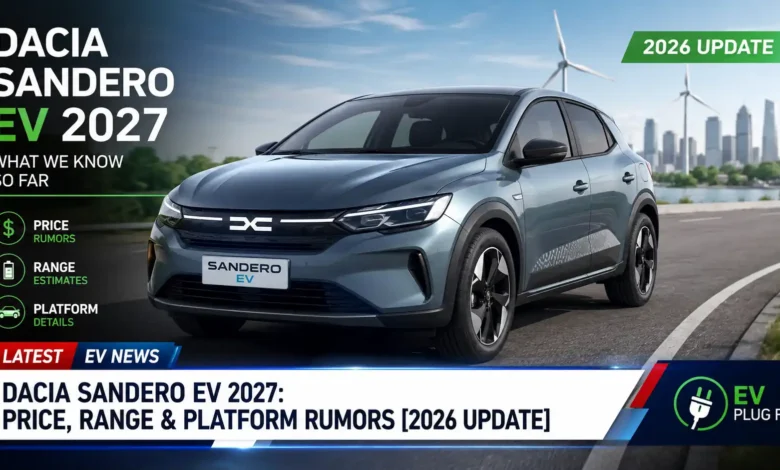
The Dacia Sandero EV is officially in development, with the Romanian automaker confirming a 2027 launch timeline for the electric version of Europe’s most popular new car. Following a record-breaking year where Dacia sold 676,340 vehicles globally—including nearly 310,000 units of the Sandero hatchback—CEO Denis Le Vot has revealed that the automaker is aggressively pursuing the affordable EV segment. For those considering the transition to electric, our Home EV Charger Guide offers essential tips on selecting the right charging solution.
The move represents a significant strategic shift for the budget brand. While the Sandero has long been a running joke among Top Gear enthusiasts for its no-frills approach, its incredible affordability has translated into undeniable sales success. Now, Dacia aims to replicate that formula in the electric era, potentially creating one of the most disruptive affordable EV offerings in the European market. Before purchasing any new EV, it’s wise to understand the 2026 EV Tax Credit landscape and how incentives could affect your overall budget.
Dacia Sandero EV Platform and Technical Specifications
Industry insiders expect the new Dacia Sandero EV to ride on the Renault AmpR Small platform, also known as the CMF-B EV architecture. This is a specialized electric variant of the CMF-B platform currently used in the combustion-engine Sandero. Renault has already demonstrated the platform’s capabilities with the successful launches of the Renault 5 E-Tech and the upcoming Renault 4 E-Tech. To better understand the efficiency potential of different battery sizes, our EV Charging kWh Guide provides detailed insights into energy consumption and monitoring.
Potential Powertrain Options
- Base Variant: 40 kWh battery with 95 hp motor
- Long-Range Variant: 52 kWh battery with 150 hp motor
- Drive Configuration: Front-wheel drive (FWD)
Estimated Range & Performance
- Base Range: ~300 km (186 miles) WLTP
- Long Range: ~400 km (248 miles) WLTP
- 0-100 km/h: Expected under 8 seconds (high-output)
“The electric Sandero will likely use the front-wheel-drive Renault AmpR Small platform, just like the Renault 4 and 5 EVs, with two battery pack sizes and a base power output of 95 hp.”
Where Will the Dacia Sandero EV Be Built?
One of the most pressing questions is production location. While Dacia’s home plant in Mioveni, Romania, currently doesn’t produce any EVs, it may require significant retooling and investment to build the new electric hatchback. Dacia hasn’t publicly committed to such an investment, leaving the door open for production alongside Renault’s other EVs in France. Regardless of where it’s built, ensuring a proper EV Charger Installation Guide will be essential for new owners.
Currently, the Renault 5 E-Tech is produced at the ElectriCity facility in Douai, while the Renault 4 E-Tech is manufactured by Maubeuge Construction Automobile. These French plants have the existing EV infrastructure and experience to potentially produce Dacia-badged models, making them viable candidates for the Sandero EV’s production.
| Specification | Dacia Sandero EV (Rumored) | Renault 5 E-Tech | Dacia Spring (Current) |
|---|---|---|---|
| Platform | Renault AmpR Small (CMF-B EV) | AmpR Small | Renault-Nissan CMF-A |
| Battery Options | 40 kWh / 52 kWh | 40 kWh / 52 kWh | 26.8 kWh |
| Power Output | 95 hp / 150 hp | 95 hp / 150 hp | 45 hp |
| WLTP Range | ~300-400 km | ~300-400 km | ~220 km |
| Estimated Starting Price | ~€20,000 – €22,000 | ~€28,000 – €32,000 | ~€18,000 – €20,000 |
Market Impact and Affordable EV Competition
The Dacia Sandero EV enters a rapidly changing market. Dacia’s only current EV, the Spring, saw its sales plummet in 2024 following government incentive cuts and the introduction of EU tariffs on Chinese-made vehicles. The Spring’s recent facelift couldn’t offset these headwinds, forcing Dacia to rethink its European EV strategy. Understanding the broader charging ecosystem, including EV Charging Cable Guide essentials, will be key for new Dacia owners.
If Dacia can successfully recreate the recipe of its combustion-powered Sandero—offering essential mobility at an accessible price—the electric variant could become a benchmark for budget electric vehicles. The challenge will be maintaining a price point below competitors like the upcoming VW ID.2 and the influx of Chinese models like the BYD Dolphin. For a deeper comparison of charging standards across different brands, our NACS vs CCS2 Charging analysis provides valuable context.
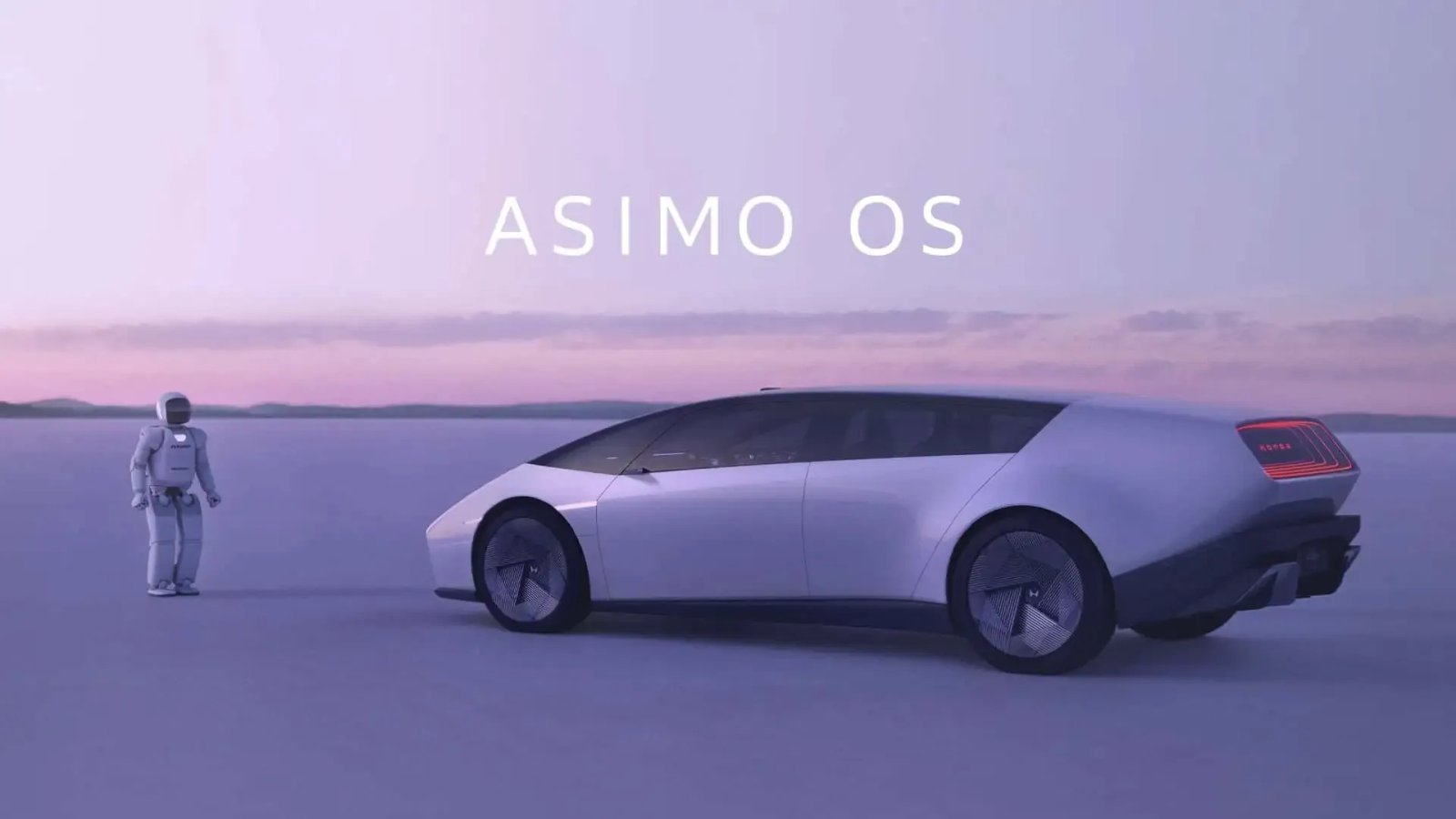
The interior of the new Dacia Sandero EV is expected to feature a simplified, tech-forward layout to keep costs low. (Rendering)
When Will We See the Dacia Sandero EV?
According to official statements from Dacia CEO Denis Le Vot, the Dacia Sandero EV is scheduled to launch toward the end of 2027. With the combustion model’s massive success and the recent update of the Dacia Spring, the brand is clearly positioning itself to capture the affordable end of the electric market.
Until then, the new EV 2027 timeline gives Dacia ample time to retool factories and refine the vehicle’s specifications. Whether it will be built in Romania or France remains to be seen, but one thing is certain: the affordable EV landscape in Europe is about to get a lot more interesting. As you wait for the arrival of this exciting new model, staying informed with our EV Charging Maintenance Guide will help you prepare for a seamless ownership experience.