Wallbox Installation for Home EV Charging in 2026: Your Complete Setup Guide
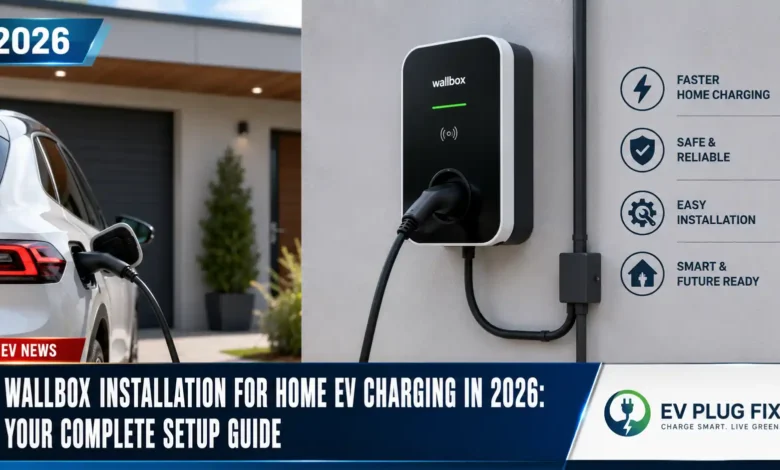
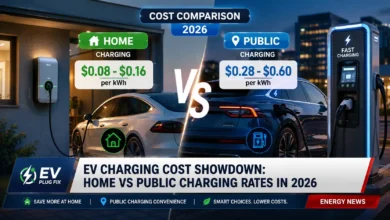
Wallbox installation represents the single most transformative upgrade an electric vehicle owner can make to their daily driving experience, turning the chore of finding public charging stations into the effortless routine of plugging in at home. While many new EV owners initially rely on the standard three-pin socket that comes with their vehicle, the limitations of this approach quickly become apparent. A dedicated home charging station, commonly known as a wallbox, typically delivers between five to eight times the charging speed of a standard socket, slashing charging times from over 24 hours to just a few hours overnight. The cost difference between charging at home versus using public infrastructure is equally compelling, with off-peak home electricity tariffs enabling EV owners to cover roughly 200 miles of range for about £4 to £6, while the same distance on public rapid chargers would cost £12 to £16 or more. For many electric vehicle owners, the decision to invest in proper home charging infrastructure marks the moment when EV ownership transitions from a compromise to a genuine advantage.
Understanding the Two Types of Wallbox Installation: Stationary vs. Mobile
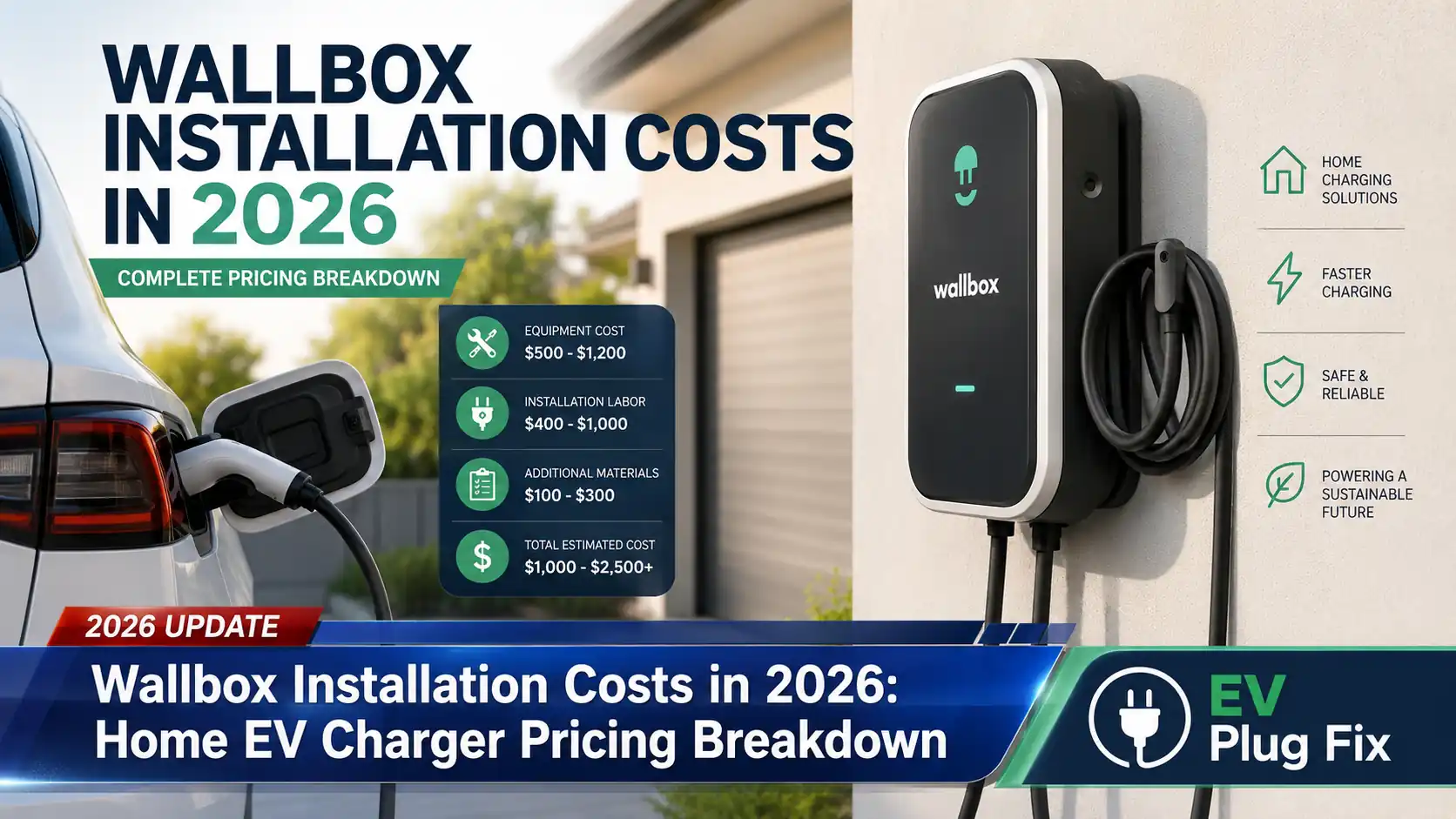
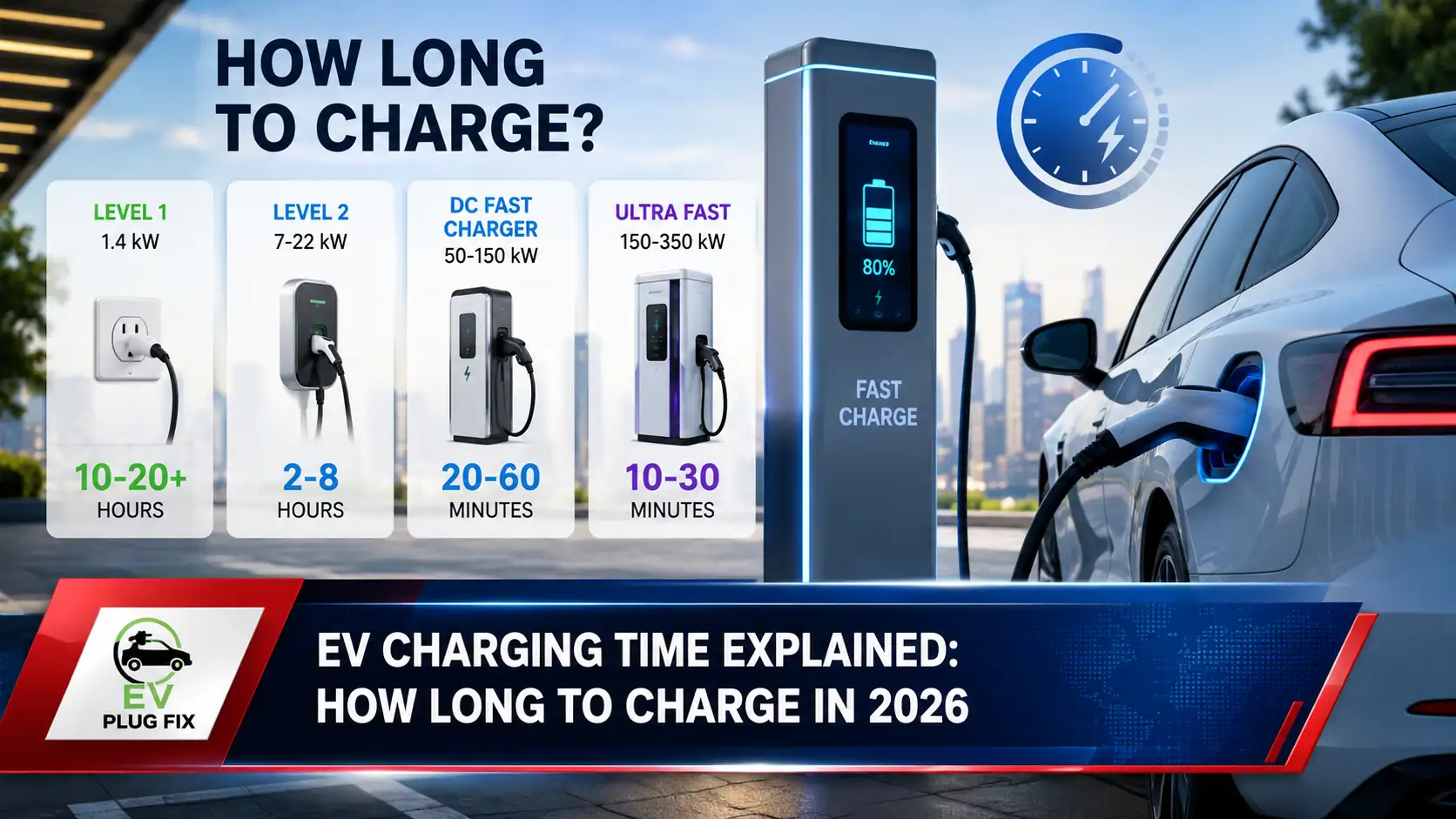
The fundamental decision in any wallbox installation journey begins with choosing between a stationary or mobile charging station. This choice significantly impacts not only the installation process but also the flexibility and convenience you’ll experience as an EV owner. Each option serves distinct use cases and lifestyle requirements, making it essential to understand their differences before committing to a purchase. For a detailed comparison of charging times across different setups, you can refer to our EV Charging Time guide to see how wallbox performance stacks up against other options.
Stationary Wallbox Installation: Permanent Power for Daily Use
A stationary wallbox, such as the go-e Charger Gemini, is designed for fixed installation at a specific location, typically mounted permanently on a garage or driveway wall. This type of charging station delivers robust performance with charging powers up to 22 kW, depending on your home’s electrical infrastructure. The go-e Charger Gemini offers charging power from 1.4 kW to 11 kW or 22 kW, with both single-phase and three-phase charging capabilities. Professional electrician installation is mandatory for stationary units, as they must be hardwired directly into your home’s electrical distribution system through a dedicated circuit. The charging station’s compact form factor makes it suitable for both indoor and outdoor installation, with weatherproof construction that can withstand exposure to the elements. Understanding the broader landscape of Home EV Wallbox Charging options can help you determine if a stationary unit aligns with your long-term needs.
For homeowners with off-street parking and a stable residence, stationary wallbox installation provides the most reliable and convenient daily charging solution. The ability to simply plug in your vehicle upon arriving home, without needing to uncoil or store cables, makes this option the gold standard for convenience. Studies indicate that approximately 80% of all EV charging occurs at home, making the investment in permanent infrastructure particularly worthwhile. The fixed nature of stationary units also ensures they remain in place, reducing theft concerns compared to portable alternatives.
Mobile Wallbox Installation: The Flexible Alternative
The mobile wallbox represents an innovative approach to home EV charging that has gained significant popularity among drivers who value flexibility and portability. The go-e Charger Gemini flex exemplifies this category, offering the unique ability to function both as a stationary charging station when mounted in its wall bracket and as a mobile unit that can be taken on trips, to work, or to friends’ and family members’ homes. This dual-purpose design provides the best of both worlds, delivering the convenience of home charging while maintaining the freedom to carry your charger wherever you go. For drivers interested in maximizing solar energy usage, the go-e PV Surplus Charging capabilities of the Gemini flex make it an exceptionally versatile choice.
One of the most compelling advantages of mobile wallbox installation is the simplified setup process. Unlike stationary units that require professional electrician intervention, the go-e Charger Gemini flex can simply be mounted on the wall and put into operation by the owner, provided that the existing socket meets modern electrical standards. This plug-and-play capability significantly reduces installation costs and eliminates the need to wait for an electrician’s availability. The mobile charging station can be directly connected to an existing red CEE 16 A three-phase socket, making it ready for the first charging process immediately after connection. However, it’s important to note that even with mobile units, a thorough site survey and professional assessment is recommended to ensure your home’s electrical system can safely handle the additional load.
Essential Electrical Safety: Understanding RCD Requirements for Wallbox Installation
Safety considerations in wallbox installation extend far beyond simple electrical connections, requiring careful attention to residual current protection that can mean the difference between safe operation and potentially dangerous fault conditions. Modern EV charging infrastructure introduces unique electrical characteristics that demand specialized protection devices not typically found in standard household electrical installations. Understanding these requirements is essential for any homeowner considering wallbox installation. Comprehensive EV Charger Protection measures, including overcurrent and overvoltage safeguards, work in tandem with RCDs to ensure complete system safety.
Type B RCD Protection: The Gold Standard for EV Charging Safety
Residual current devices (RCDs) serve as critical safety mechanisms that protect both people and installations by disconnecting power when they detect dangerous earth leakage current. In the context of electric vehicle charging, selecting the correct RCD type is particularly important because charging faults can include direct current (DC) leakage that may “blind” certain types of RCDs, preventing them from tripping when needed. A Type B RCD detects a wider range of residual current waveforms than conventional devices, including AC residual currents, pulsating DC residual currents, smooth DC residual currents, and higher-frequency components that may appear in power electronics systems. For additional details on leakage protection standards, explore our guide on EV Leakage Protection to understand why Type B RCDs are the recommended choice.
Type B devices are designed and tested specifically for applications involving three-phase frequency inverters, EV charging, and photovoltaic installations. Their ability to detect smooth DC fault currents that exceed approximately 6 mA prevents the “blinding” effect that can incapacitate conventional Type A RCDs. The significance of this protection becomes apparent when considering the power electronics and onboard chargers in electric vehicles, which can create DC components in leakage current during faults. If smooth DC leakage exceeds certain levels, it can saturate the sensing core of Type A devices, reducing their ability to trip correctly and creating an enormous safety risk for life, equipment, and the vehicle.
Integrated DC Protection: Modern Solutions Simplify Installation
Modern wallbox manufacturers have developed innovative solutions to address RCD requirements while simplifying installation. The go-e Charger, for instance, already features an integrated DC protection module that switches off the charging station in the event of a fault current caused by the electric vehicle. This integrated approach means that on the building side, only an RCD type A needs to be installed, along with a miniature circuit breaker upstream. Miniature circuit breakers with characteristic B or C for 16 or 32 amperes are permissible, and local installation regulations must be observed.
Common compliant approaches for AC EV charging include using a Type B RCD protecting the circuit, which covers both AC and smooth DC leakage, or employing a Type A RCD combined with 6 mA DC leakage detection integrated into the EVSE. Many modern AC chargers incorporate this 6 mA DC leakage detection specifically to allow the use of a Type A upstream device while still protecting against DC blinding risk. This design flexibility means that homeowners can often achieve compliant, safe installations without the significant expense of upgrading to a full Type B RCD at the distribution board level, provided their chosen charger includes appropriate integrated protection.
The practical selection considerations for RCD protection in wallbox installation include whether the charger has integrated DC leakage detection to recognized standards, local regulations and installer requirements (some markets mandate Type B in certain cases), earthing system requirements and additional protection considerations, and the number of chargers on a feeder with selectivity and coordination requirements for upstream RCDs. For homeowners in the UK, it’s important to note that the installation must be carried out by a Part P-registered electrician under a Competent Person Scheme, not as a DIY project or by just any local tradesperson. This professional oversight ensures that these complex safety requirements are properly addressed.
The Complete Wallbox Installation Process: From Site Survey to First Charge
Understanding the wallbox installation process helps homeowners navigate what can initially seem like a daunting undertaking. The journey from choosing a charger to actually plugging in your vehicle typically follows a structured path, though specific details may vary between manufacturers and installers. Companies like Ohme, one of the UK’s leading EV charger providers, have streamlined this process through online questionnaires and pre-installation surveys.
The installation process typically begins with a comprehensive site survey, usually conducted at no charge by the installation company. This assessment covers critical factors including your consumer unit’s condition and capacity, the cable run length from the distribution board to the proposed charger location, your parking setup, and overall electrical capacity. A reputable electric vehicle charging installation company will evaluate your property’s specific characteristics to identify any potential complications or additional costs before work begins. The survey typically requires information about the type of property, whether it’s owned or rented, and if it’s listed, along with photographs of the house, parking area, and main fuseboard. As part of the ongoing care for your installation, regular Home EV Charger Maintenance checks should be scheduled to ensure long-term reliability and safety.
The survey process also addresses practical considerations that might not be immediately obvious to homeowners. For instance, all new EV chargers must be connected to the internet under UK law, so the installation location must have a reliable 4G signal or WiFi coverage. Additionally, the location of the EV’s charging port influences charger placement, as you’ll want to position the station where it can comfortably reach the vehicle’s port. Some chargers come with choice of cable lengths, with longer cables inevitably costing more but offering greater parking flexibility.
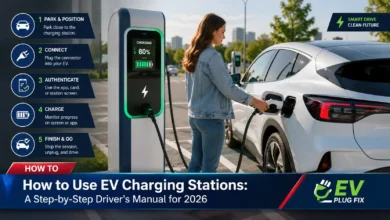
Once the survey is complete and any issues are addressed, the installation itself proceeds much like having any household appliance fitted, such as a boiler. There’s typically some dust and noise, new holes in walls for cable routing from the fuse board to the charger location, and a brief power outage lasting less than half an hour for most installations. After physical installation, the final step involves setting up the smart functionality, registering for the manufacturer’s app, and configuring your vehicle, schedule, and tariff preferences. Since UK law requires all new home chargers to be smart-enabled under the 2021 Smart Charge Points Regulations, this digital setup is a mandatory part of the process. To understand the full scope of Smart EV Charging Benefits, including remote scheduling and energy monitoring, it’s worth exploring how these features integrate with your daily routine.
Homeowners should plan ahead and book their site survey well before their electric vehicle arrives, as unforeseen issues such as an older consumer unit, long cable run, or drive surface complications can delay installation by weeks. Budget constraints are also worth considering, with the typical cost for a standard installation ranging from £800 to £1,200 all-in for a 7kW smart wallbox, though homes with older electrical infrastructure may face additional costs for fuse board upgrades or main power supply enhancements. Getting two or three quotes from approved installers and checking the warranty coverage is advisable before committing to a particular installation company.
Smart Wallbox Features: Maximizing the Value of Your Home EV Charging Installation
The modern wallbox is far more than a simple power outlet for your electric vehicle. Contemporary charging stations incorporate advanced smart features that enhance convenience, reduce costs, and integrate with broader home energy management systems. The go-e Charger series, for example, offers an intuitive design combined with numerous safety features and smart convenience functions, enabling safe and efficient charging through the free go-e app. For homeowners looking to optimize their charging setup further, Dynamic EV Load Balancing ensures that your charger adapts to your home’s total electricity consumption, preventing overloads while maximizing available power.
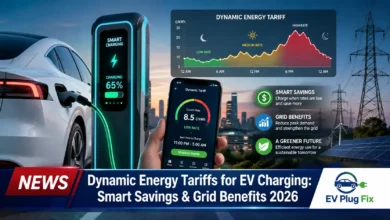
Smart charging capabilities extend beyond basic on/off control, offering sophisticated scheduling functions that automatically adjust charging times to take advantage of lower off-peak electricity rates. This feature alone can generate substantial savings, with dedicated off-peak EV tariffs offering rates as low as 7p per kWh compared to the standard tariff of 24-30p per kWh. The myWallbox app, compatible with all Wallbox EV chargers, enables users to save money by setting charging schedules that take advantage of off-peak rates while providing control and monitoring of EV charging status from anywhere, tracking energy consumption and spending in the process.
Advanced energy management features represent the next frontier in smart wallbox technology. Many modern chargers support solar integration, allowing owners to charge their vehicles using excess solar power generated by rooftop photovoltaic installations. This capability significantly reduces charging costs and environmental impact, effectively enabling free driving when sunshine is plentiful. Dynamic load balancing is another crucial smart feature that prevents overloading your home’s electrical system by automatically adjusting charging power based on total household consumption. This ensures your EV charging doesn’t cause nuisance trips or require expensive electrical upgrades.
Remote diagnostics and over-the-air updates have become standard features in premium charging stations, enabling manufacturers to provide technical support, troubleshooting, and maintenance without requiring a service visit. The go-e Charger Gemini flex 2.0 includes a free mobile connection for at least five years, with extension available for only €12 per year. This integrated connectivity ensures the charger remains current with the latest functionality and security updates throughout its operational life.
The smart features of modern wallboxes also extend to monitoring and reporting functions. Users can export charging data and manage multiple sites through the go-e app or the go-e Portal, providing detailed insights into energy consumption, charging patterns, and cost analysis. For businesses or households with multiple EVs, multi-car support features allow seamless switching between different vehicles without manual reconfiguration, ensuring each car charges optimally based on individual requirements and preferences.
Frequently Asked Questions About Wallbox Installation
Can I install a wallbox myself, or do I need a professional electrician?
How long does it take to charge an electric vehicle using a home wallbox?
What's the difference between tethered and untethered wallboxes?
”What
Will my current electrical system support a wallbox installation?
”Is
The decision to invest in proper wallbox installation represents a significant step in maximizing the value and convenience of electric vehicle ownership. Whether you opt for the permanent reliability of a stationary wallbox or the flexible freedom of a mobile unit, the benefits of home charging extend far beyond simple convenience. With home charging costing roughly 80% less than public rapid charging and offering the ability to start each day with a full battery, the financial and practical advantages are compelling. The installation process, while requiring professional involvement for stationary units, follows a structured path that most homeowners navigate successfully, especially when working with reputable installers who understand the latest regulatory requirements.
As the EV market continues to evolve, wallbox technology advances in parallel, with smart features becoming increasingly sophisticated. Remote monitoring, solar integration, dynamic load balancing, and over-the-air updates ensure that today’s wallboxes remain relevant and useful throughout their operational life. The go-e Charger Gemini series exemplifies this evolution, offering both stationary and mobile solutions that combine professional-quality performance with user-friendly features and industry-leading safety protections. For homeowners preparing to embrace electric mobility, investing in proper wallbox installation isn’t just about charging a car—it’s about transforming the ownership experience into something genuinely superior to conventional petrol vehicles.