How to Slash EV Charging Costs with go-e Flexible Tariffs in 2026
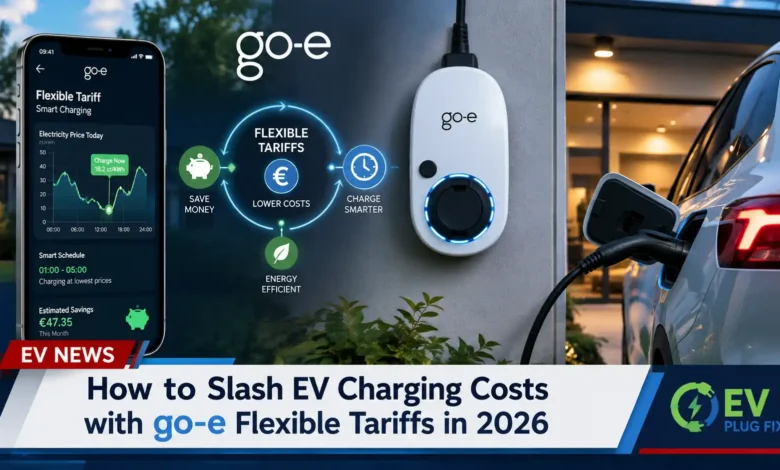
The era of blindly plugging in your electric vehicle and accepting whatever the electricity meter reads is officially over for savvy EV owners in 2026. With the proliferation of flexible energy tariffs and smart charging technology, you can now command your go-e Charger to intelligently feast on the cheapest, greenest electrons available. This isn’t just a futuristic concept; it’s a practical reality delivered right through the go-e app, designed to make your EV ownership significantly more affordable and sustainable.
If you have an electricity contract based on flexible energy tariffs, the go-e app transforms your wallbox from a simple power conduit into a sophisticated energy manager. Whether you own a Gemini series or HOME series (V3) go-e Charger, the app unlocks powerful features like ECO Mode and Planned Charge. These modes allow you to set clear parameters for your charging sessions, such as a specific price limit per kilowatt-hour (kWh) or a scheduled time and energy amount, ensuring your vehicle is charged when it’s most economical. More than a thousand electricity tariffs from hundreds of providers across 19 European countries are already integrated, making this technology accessible to a vast majority of EV drivers. For those considering a new wallbox, exploring the Smart Wallbox EV Charger options can provide additional insights into compatible hardware.
The core philosophy behind these smart features is simple: why pay peak prices when you can wait for a dip? The go-e app puts the power in your hands to define what “cheap” means. By monitoring upcoming electricity prices directly in the app’s charging tab, you can make informed decisions and let your charger automate the process. This shift from reactive to proactive charging can lead to substantial savings and a lighter environmental footprint, as you’ll be utilizing energy that might otherwise be wasted during off-peak periods. Understanding overall EV Charging Efficiency 2026 trends can further contextualize these savings.
Let’s dive into the two primary ways you can leverage flexible tariffs with your go-e Charger: ECO Mode and Planned Charge, and explore how these features can revolutionize your daily EV routine.
Mastering ECO Mode: Charge by Price
ECO Mode is your gateway to automated, cost-efficient charging. This feature is designed for EV owners who want to set a clear financial boundary for their electricity consumption. The principle is straightforward: you determine the maximum price per kilowatt-hour you are willing to pay, and the go-e Charger handles the rest.
In the go-e app, you define a specific price limit for your charging session. The charger will then remain idle until the electricity rate from your flexible tariff drops below your designated threshold. Once the price is right, the charger kicks into action, fueling your vehicle with electric power for the adventures ahead. This is perfect for those who have a general idea of a “good price” and want to automate the process without needing to track hourly rate fluctuations manually. Pairing this approach with a solid understanding of EV Battery Health Tips ensures you’re not just saving money but also preserving your battery’s longevity.
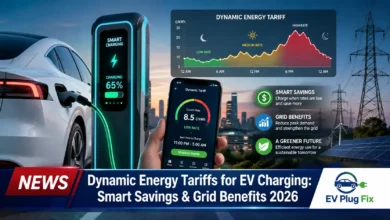
This mode also offers a clear visual representation of your strategy’s effectiveness. Keep an eye on upcoming electricity prices for your tariff in the “Charging” tab of the app, where a visual representation of the data awaits. This feature allows you to see the forecasted prices and understand exactly when your charger will likely activate, giving you confidence that your vehicle will be charged efficiently.
To set this up, simply open the go-e app, navigate to the settings for your go-e Charger, and locate the ECO Mode options. You will be able to select your country, energy provider, and the specific tariff you have signed up for. Once selected, you can activate the ECO Mode and input your preferred price limit per kWh. This method puts you in the driver’s seat of your energy expenses.
Optimizing with Planned Charge: Time and Energy Targets
While ECO Mode focuses on price, Planned Charge prioritizes your schedule and energy needs. This mode is ideal for EV owners who have a specific departure time in mind or need to reach a certain state of charge by a designated hour. Instead of reacting to the lowest price, you tell the charger what you need and when you need it, and it optimizes the charging schedule to fulfill those requirements as cheaply as possible.
Here’s how it works: you set a time and the amount of kWh you need to add to your car’s battery. The go-e Charger then analyzes the upcoming electricity price fluctuations according to your integrated tariff and autonomously selects the cheapest hours to charge within that time window. This ensures your vehicle is ready for your departure, but it also helps stabilize the grid by shifting demand away from peak hours. This intelligent scheduling is similar to how advanced OCPP Charging Benefits enable smart grid integration on a larger scale.
Using Planned Charge is a brilliant way to ensure you never leave the house with a low battery while still taking advantage of off-peak rates. For instance, you can set it so your car is fully charged by 7:00 AM, and the charger will intelligently schedule the session to use the cheapest rates available between 11:00 PM and 7:00 AM. It’s a perfect balance of convenience and economy. The combination of these two modes provides a powerful tool for any EV owner.
Combining ECO Mode and Planned Charge
The go-e app also offers a flexible hybrid approach. If you prefer, you can start with a Planned Charge schedule and then continue charging in ECO mode. This means the charger will first use the cheapest hours to reach your specified kWh target. If you still require additional charge, or if the time window is over, you can set a price limit manually for further charging. This layered strategy gives you maximum control over both cost and range.
This combined flexibility is what sets the go-e ecosystem apart, catering to the nuanced needs of modern EV drivers who may have varying daily routines and energy priorities. It ensures you are always charging in the most intelligent way possible.
go-e Charging Modes Comparison
| Feature | ECO Mode | Planned Charge |
|---|---|---|
| Primary Goal | Charge at the lowest possible price per kWh. | Charge a specific amount of kWh by a set time. |
| User Input | Set a maximum price limit per kWh. | Set a time deadline and total kWh needed. |
| Automation Logic | Charger activates only when the tariff price drops below the limit. | Charger automatically finds and uses the cheapest hours to meet the target. |
| Best Use Case | When you have ample time and prioritize cost savings above all. | When you have a set departure time and need a specific state of charge. |
Integrating PV Surplus Charging with Flexible Tariffs
The true power of the go-e ecosystem is realized when you combine flexible tariffs with photovoltaic (PV) surplus charging. This is where you can maximize your renewable energy usage and minimize your grid dependency. By integrating your home’s solar power system with the go-e Controller and Charger, you can prioritize charging your EV with the cleanest and most cost-effective energy source available at any given moment. This holistic approach to home energy management aligns perfectly with choosing the Best Home EV Chargers that offer seamless solar integration.
In the go-e app, the ECO and Next Trip (Planned Charge) modes can be configured to work in tandem with your PV system. The charger will first attempt to use as much solar power as possible to charge your vehicle. If the surplus solar energy isn’t sufficient to meet your charging needs or schedule, the charger will then seamlessly transition to using cheap electricity rates from the grid to complete the session. This sophisticated logic ensures you are always using the most optimal mix of energy, reducing your carbon footprint and electricity bill.
This combination is increasingly valuable, especially as the number of homes with solar panels continues to grow. The go-e ecosystem offers an elegant solution to the classic question of what to do with excess solar energy, giving you a clear and automated path to use it for your electric vehicle. The system can be configured via the app’s settings under “ECO Mode” or “Next Trip Mode”, where you will find a slider to “Charge with PV surplus” and make adjustments via the “PV surplus” link.
Expanding Your Smart Charging Ecosystem
Smart home energy management is becoming a key theme for 2026, and the go-e app aligns perfectly with this trend. The idea is to create a connected home where all major energy-consuming devices—from your EV to your heat pump—can be managed intelligently. By integrating with a larger smart home system, you can set rules that prioritize energy use across different devices. For example, you can configure the system to only charge your EV after your home battery storage is fully charged or when a price threshold is met for both.
As the energy grid evolves, the ability to connect and automate your home’s energy consumption will be vital for both cost savings and environmental responsibility. Tools like the go-e app are at the forefront of this revolution, turning the traditional “plug and pray” approach into a precise, data-driven strategy. The go-e app also features a scheduler option, allowing you to postpone the charging process to a time when electricity is often available in abundance, such as at night. This helps avoid increasing load peaks common at the end of the working day and takes electricity that could otherwise not be used sensibly, ensuring grid stability. Understanding your vehicle’s specific needs, such as the EV Charging Curve, can help you optimize these schedules even further.
How to Get Started in the go-e App
To begin optimizing your EV charging costs with the go-e app, the process is straightforward. First, ensure your go-e Charger (Gemini series or HOME series V3) is correctly set up and connected to your home Wi-Fi network. This connection is critical for the app to pull down real-time electricity price data. For those setting up a new system, reviewing a comprehensive Home EV Charger Installation guide can ensure everything is configured correctly from the start.
Next, open the go-e app and navigate to the settings. Under the “ECO Mode” or “Daily Trip Mode” sections, you’ll find the option to select your flexible energy tariff. Here, you will choose the country you live in, your energy provider, and the specific tariff you have signed up for with your energy provider. The app features a growing database of providers, with more than a thousand tariffs from hundreds of providers already integrated.
Once your tariff is selected, you can activate the charging mode that best suits your needs. In “ECO Mode”, set a price, time, or kWh limit for your selected charging mode, at which your go-e Charger should start charging. The process is designed to be intuitive, allowing you to take full control of your charging strategy in just a few taps. If your specific tariff is not listed, go-e encourages users to write in and request its integration, demonstrating a commitment to expanding their service.
Check out the options that are already available and pick the relevant one according to your country and electricity provider. The visual data representation in the “Information” tab gives you real-time insights into your energy costs, providing complete transparency and control. With go-e, you are always in charge of when, how, and for how much your EV gets its juice.