BYD Blade Battery vs Ternary Lithium: Safety, Charging & Degradation in 2026
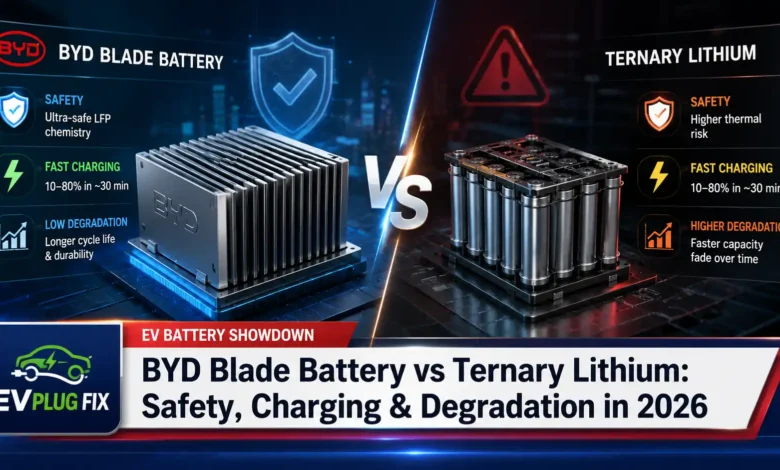
As electric vehicles (EVs) continue to gain popularity, the need for efficient and smart home charging solutions has never been greater. More drivers are looking beyond simply plugging in; they want systems that integrate with their home energy management, reduce costs, and provide a seamless user experience. Among the rising stars in this space, the go-e Controller has emerged as a versatile solution for PV-integrated charging, offering a compelling blend of functionality and flexibility.
But what exactly makes the go-e Controller a standout choice in 2026? At its core, the device is designed to optimize EV charging by leveraging surplus solar energy. Instead of drawing power from the grid at peak rates, the controller intelligently communicates with your photovoltaic system and adjusts the charging current to match available solar power. This not only slashes your electricity bills but also ensures your vehicle is powered by clean, renewable energy whenever possible. For anyone with a solar installation, this capability is a game-changer, turning your car into a more sustainable extension of your home.
One of the key technical aspects that sets the go-e Controller apart is its sophisticated energy management architecture. It employs advanced algorithms to monitor household consumption and solar production in real-time. This is typically achieved through a connection to a Current Transformer Setup, which measures the flow of electricity in your main supply line. By understanding exactly how much power your home is using, the controller can divert any excess solar energy exclusively to your EV, preventing any unnecessary grid draw.
Beyond solar integration, the go-e Controller is a master of grid-friendly charging. It natively supports Dynamic EV Load Balancing, a critical feature that prevents your home’s electrical panel from being overloaded. This is particularly important for older homes or those with limited amperage. The controller dynamically adjusts the car’s charging speed based on the total load of your household appliances—if you turn on the oven or the AC, the controller will momentarily reduce the car’s charge rate to keep everything running smoothly and safely, and then ramp it back up once the load decreases.
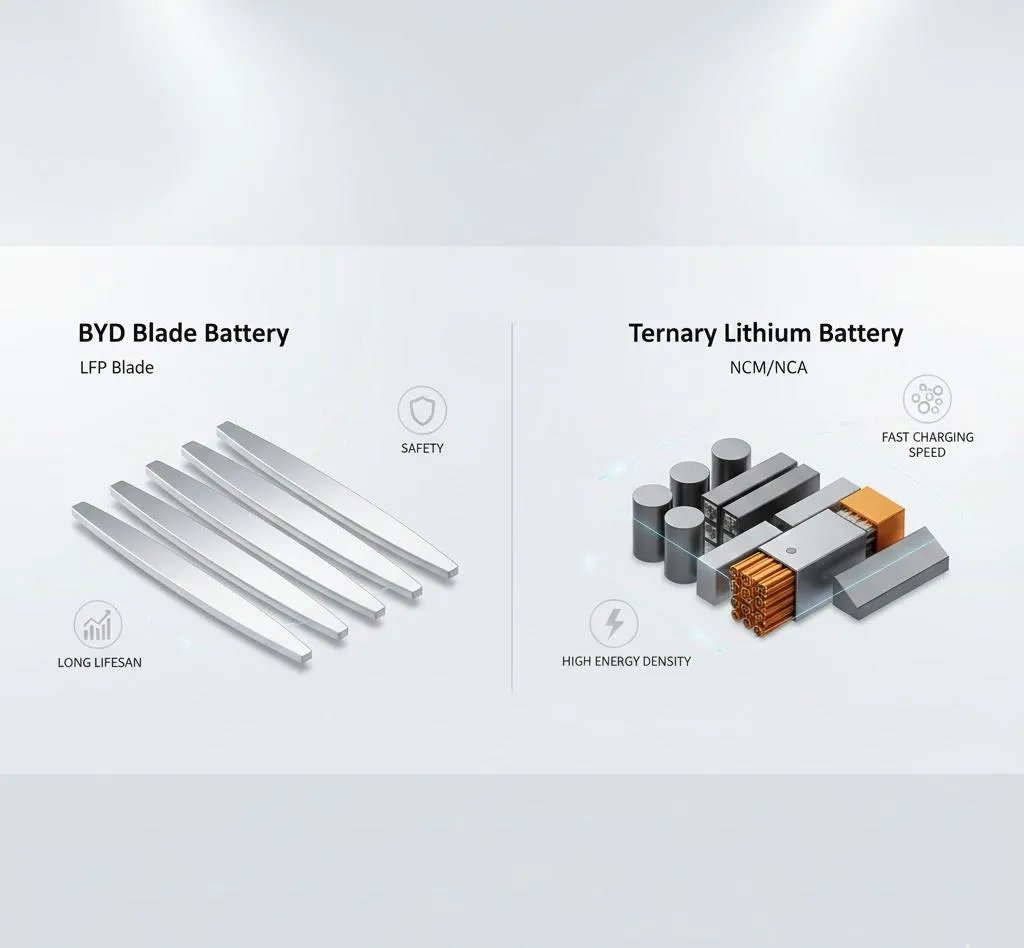
Installation flexibility is another major advantage of the go-e Controller. It is designed for DIN-rail mounting, making it a compact and tidy addition to your fuse box. However, its application extends far beyond just a simple wallbox. Many users integrate this unit to control multiple charging points or to manage higher-power setups. If you are considering a robust system for a garage with multiple EVs, understanding the overall architecture is crucial, which is why consulting a comprehensive Home EV Charger Guide can provide invaluable context before you begin your project.
Looking at the wider market, how does the go-e Controller compare to other smart charging solutions? Its specific focus on PV surplus and dynamic load management places it in a unique category. While many chargers offer scheduled charging, the go-e solution provides real-time adaptability that is hard to beat. For those building a system from scratch, it is often paired with robust wallboxes, and understanding the nuances of different power levels is key. You might find that pairing it with a specific unit requires a decision on power output, making an EV Charger Comparison Guide essential reading to match the controller’s capabilities with the right hardware.
Ultimately, the go-e Controller represents the future of intelligent EV charging. It moves beyond the basic “plug and charge” model to a comprehensive energy management ecosystem. By intelligently balancing solar power, grid loads, and vehicle demand, it offers significant cost savings and maximizes the environmental benefits of driving electric. As energy prices continue to fluctuate, investing in a smart controller like the go-e is not just a convenience; it is a strategic move towards energy independence and home efficiency.