AC vs DC Charging: 7 Key Differences Every EV Owner Must Know in 2026
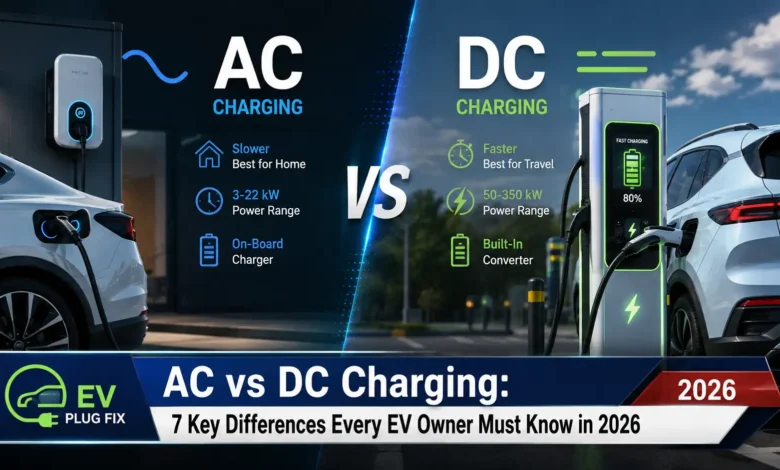
As electric vehicles continue to gain traction across global markets, understanding the nuances of home charging has become essential for both current and prospective EV owners. The shift towards electrification is not just about the vehicles themselves but also about the infrastructure that supports them, making a reliable home charging setup a cornerstone of the EV ownership experience. With advancements in battery technology and charging standards, 2026 presents a pivotal year for optimizing how we power our electric cars at home, ensuring efficiency, safety, and cost-effectiveness.
When setting up your home charging station, one of the most critical decisions involves selecting the right equipment that matches your vehicle’s capabilities and your daily driving needs. The market offers a wide array of chargers, from basic units to sophisticated smart devices that can integrate with your home energy system. For those feeling overwhelmed by the options, a comprehensive EV Charger Selection Guide can help you navigate the technical specifications and features that matter most, ensuring you invest in a solution that will serve you well for years to come.
Understanding the technical aspects of charging is equally important to making informed decisions. The communication between your EV and the charging station involves complex protocols that ensure safe and efficient power delivery. Familiarizing yourself with these EV Charging Protocols can demystify the charging process and help you troubleshoot common issues that may arise during the handshake between your vehicle and the charger.
Safety remains a paramount concern for any home electrical installation, and EV charging is no exception. Proper installation by qualified professionals not only ensures compliance with local regulations but also protects your home and vehicle from electrical hazards. Before beginning any installation project, reviewing Home EV Charging Safety guidelines is crucial to understanding the necessary precautions, circuit requirements, and grounding standards that will keep your charging setup operating safely.
For many EV owners, the ability to monitor energy consumption and manage charging costs has become a key feature of modern home charging solutions. Smart chargers offer advanced capabilities such as scheduling, load balancing, and detailed energy reporting that can significantly impact your electricity bills. Understanding the metrics involved, such as kilowatt-hours, is essential for effective energy management. A detailed EV Charging kWh Guide provides insights into how to track and interpret your charging data, enabling you to optimize your charging habits for maximum efficiency.
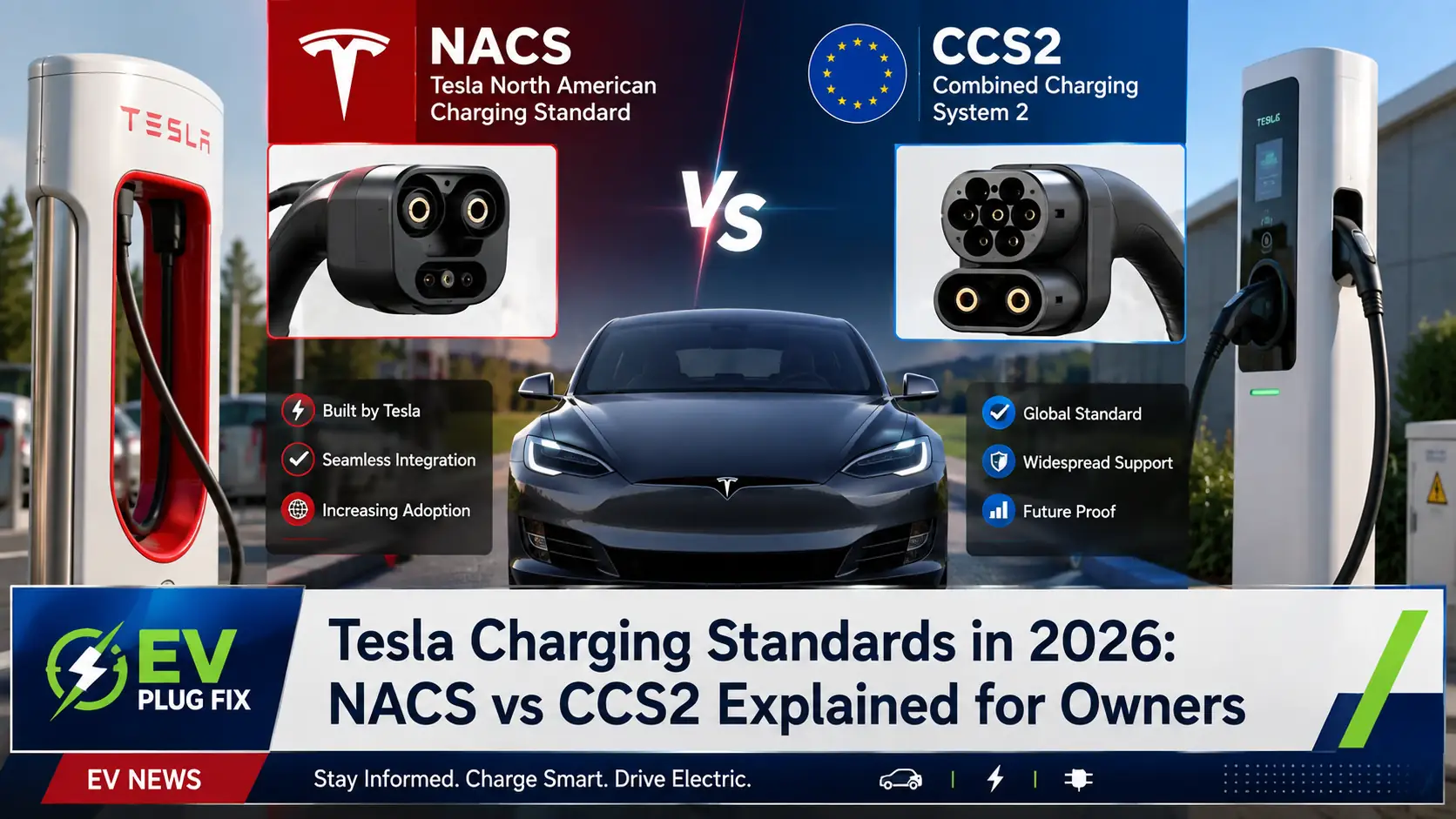
As the industry evolves, new connector standards are reshaping the charging landscape, particularly with the adoption of the North American Charging Standard (NACS) by various manufacturers. This shift has implications for current and future EV owners regarding charger compatibility and adapter requirements. A thorough NACS vs CCS2 Charging comparison can help you understand the differences between these connector types and plan for a charging setup that remains compatible with your vehicle over its lifetime.
Ultimately, a well-planned home charging installation transforms the EV ownership experience from one of range anxiety to one of daily convenience. By selecting the right equipment, prioritizing safety, and leveraging smart features for energy management, you can create a charging solution that seamlessly integrates into your lifestyle. Whether you are charging overnight for a daily commute or preparing for a longer journey, a robust home setup ensures your vehicle is always ready to go when you are.