EV Charging Protocols 2026: OCPP vs OCPI vs OCHP Compared for Smart Home & Commercial EV Charger Installations
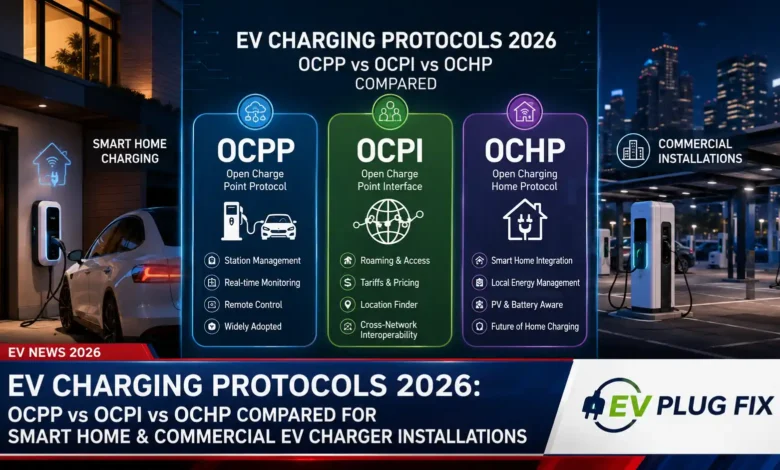
EV charging protocols like OCPP, OCPI, and OCHP define the communication standards that make modern electric vehicle charging work. As the electric vehicle market expands rapidly, understanding the communication protocols that power both smart EV chargers and commercial EV charger networks is essential for operators, manufacturers, and owners alike. The regulatory landscape shifted dramatically in 2026, with the EU’s Alternative Fuels Infrastructure Regulation (AFIR) mandating ISO 15118 compliance for new public AC charging points from January 8, 2026, and extending to ISO 15118-20 for both public and private chargers from January 1, 2027.
OCPP: The Foundation for EV Charger Management
The Open Charge Point Protocol (OCPP) serves as the primary communication bridge between EV chargers and central management systems (CSMS). Developed by the Open Charge Alliance (OCA), OCPP is the most widely adopted protocol globally, essential for everything from home EV charger installations to large-scale commercial EV charger networks. When selecting equipment, understanding the OCPP Charging Protocol ensures compatibility with your chosen management platform.
Expert Analysis
Think of OCPP as the operating system for EV chargers. It enables a Charge Point Operator to monitor status in real time, remote control chargers (start/stop sessions or reboot hung chargers), implement smart charging limits, and push over-the-air firmware updates.
OCPP Versions: 1.6 vs 2.0.1 vs 2.1
OCPP has evolved through several major versions. OCPP 1.6-J, released in 2015 and utilizing JSON over WebSocket, remains the dominant version in the field, with the OCA reporting over 80% of OCPP-connected chargers in Europe still running this version in late 2024. OCPP 2.0.1, released in 2020, introduced significant enhancements including mandatory TLS encryption, comprehensive device modeling, native ISO 15118 Plug & Charge support, and advanced smart charging capabilities.
In January 2025, OCPP 2.1 was released, adding bidirectional charging (V2G) support for ISO 15118-20, battery swapping functionality, and new authorization options. For residential solar integration, OCPP 1.6-J remains the practical choice due to its universal support, while OCPP 2.0.1 becomes essential for V2G or multi-EVSE environments. If you’re considering bidirectional capabilities, explore the Bidirectional EV Charging Benefits for your home setup.
Regional OCPP Implementation
European markets lead in OCPP adoption, with the Netherlands, Germany, and Norway extensively deploying OCPP-compliant networks. Many EU government subsidy programs explicitly require OCPP support. In North America, major operators like ChargePoint and EVgo support OCPP across their networks. The Asia-Pacific region presents a mixed landscape—China primarily follows the GB/T national standard, while international brands typically support OCPP for cross-border compatibility.
OCPI: Enabling Seamless Charging Roaming
While OCPP manages communication within a single operator’s network, the Open Charge Point Interface (OCPI) handles the critical function of cross-network roaming. Developed by the EVRoaming Foundation, OCPI enables EV users to access multiple charging networks—from home EV charger setups to various commercial EV charger stations—using a single account or app.
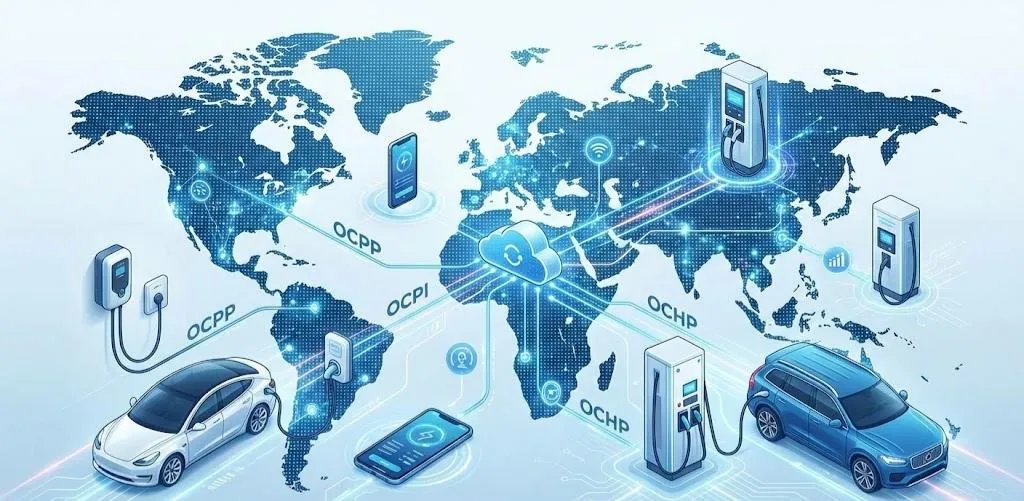
OCPI roaming allows EV drivers to seamlessly switch between different charging networks using a single app or account.
Technical Architecture and Features
OCPI operates as a JSON/RESTful API, supporting real-time data exchange between Charge Point Operators (CPOs) and e-Mobility Service Providers (eMSPs). The current mainstream version, OCPI 2.2.1, supports hub-based and peer-to-peer roaming connections, authorization, billing with Charge Detail Records (CDRs), and remote start/stop of sessions.
OCPI stands out as the only roaming protocol with a dedicated smart charging module, allowing drivers to optimize charging based on cost, speed, or green energy usage. Additionally, OCPI includes specific information fields for energy source and environmental impact, supporting the growing demand for sustainable charging options.
Geographic Applications
OCPI dominates Europe’s charging roaming market, with major platforms like Hubject and Gireve built on the protocol. The EU’s AFIR encourages open protocols to promote charging network interconnectivity. In North America, adoption is growing gradually, with several large networks establishing OCPI-based roaming partnerships. The Asia-Pacific region shows increasing adoption in Singapore and Australia, while China’s market relies primarily on proprietary interconnection platforms.
| Protocol | Primary Function | Key Versions | Smart Charging Support | Regulatory Mandate |
|---|---|---|---|---|
| OCPP | Charger-to-backend communication | 1.6-J, 2.0.1, 2.1 | Yes (via SetChargingProfile) | Required by Boverket (Sweden) from May 2026 |
| OCPI | Network-to-network roaming | 2.2.1, 3.0 (in development) | Yes (smart charging module) | Encouraged by EU AFIR |
| OCHP | Hub-based clearinghouse | v1.4 | No | Legacy, being phased out |
OCHP: The Legacy Interoperability Solution
The Open Clearing House Protocol (OCHP) represents an earlier approach to charging network interoperability. Developed by SmartLab Innovationsgesellschaft GmbH and ElaadNL, OCHP facilitates hub-based roaming with features including authorization, billing, session information exchange, and remote start/stop.
OCHP relies mainly on asynchronous communication, creating “white lists” of users rather than authenticating them in real-time. While this approach provides resilience—charging continues even if the roaming hub goes down—it limits smart charging functionality and dynamic adaptation.
OCHP remains operational in some legacy European systems, particularly in the Netherlands and Belgium, but is being replaced by OCPI in modern infrastructure. New commercial EV charger deployments and smart EV charger installations should prioritize OCPI for future-proof interoperability.
Protocol Selection Guide for 2026
Operators and Commercial Facilities
For charging infrastructure operators and businesses deploying commercial EV charger networks, supporting both OCPP and OCPI is essential. OCPP provides the management layer for charger control and monitoring, while OCPI enables customer roaming and network interoperability. In European markets, these protocols are nearly mandatory under AFIR requirements. For multi-charger sites, implementing Smart EV Energy Management optimizes power distribution across your network.
EV Charger Manufacturers
Manufacturers should prioritize supporting OCPP 1.6-J and OCPP 2.0.1 for broad compatibility, ensuring products work with mainstream management systems for both home EV charger and commercial EV charger applications. Export products require certification according to target market requirements.
End Users
As an EV owner, you don’t need to configure these protocols directly, but understanding them helps in selecting charging services. Prioritize networks supporting open protocols—these typically offer better interoperability and more charging options across home EV charger and commercial EV charger locations. Look for chargers with Plug and Charge EV capability for the most seamless experience.
Home vs. Commercial Considerations
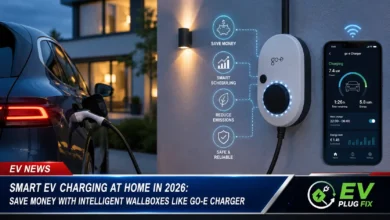
For home EV charger installations, OCPP support enables advanced features like load management, solar integration, and remote monitoring through smart EV charger functionality. For commercial EV charger deployments, both OCPP and OCPI support are crucial for fleet management, dynamic pricing, and customer roaming access. Explore the Best Home EV Wallbox Chargers that support these essential protocols for your residential installation.
Future Developments: What’s Next
Charging protocols are evolving toward greater standardization and intelligence. OCPP 2.0.1 introduces ISO 15118 Plug & Charge support, enabling automatic authentication and billing—particularly valuable for smart EV charger applications. OCPP 2.1 expands this with Vehicle-to-Everything (V2X) support, enabling bidirectional power flow, megawatt charging for heavy vehicles, and advanced battery diagnostics.
Protocol convergence and collaboration are strengthening, forming complete charging ecosystems. The IEC 63119-1:2025 standard, published in July 2025, establishes a basis for information exchange for EV charging roaming service, adopting TLS 1.3 for enhanced security and expanding definitions for home and visited service provider roles. Understanding Vehicle-to-Grid Regulations will become increasingly important as bidirectional charging becomes mainstream.
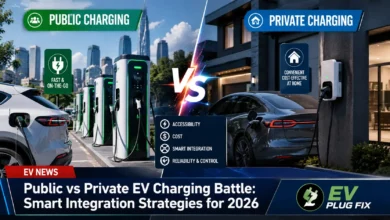
The distinction between home EV charger and commercial EV charger applications is blurring, with residential smart EV chargers gaining commercial-grade features like dynamic load management and grid services participation.
Understanding EV charging protocols is crucial for building efficient, open charging infrastructure. Whether you’re an operator, manufacturer, or everyday user, choosing solutions supporting open standards brings greater convenience and possibilities for future electric mobility.
The future of EV charging—from residential smart EV charger installations to large-scale commercial EV charger networks—will be shaped by these open standards, enabling seamless, intelligent, and sustainable electric mobility for all. When planning your installation, consider factors like Level 2 EV Installation requirements to ensure your setup meets both current needs and future protocol developments.