Do You Need a Permit to Install an EV Charger? Homeowner’s Guide 2026
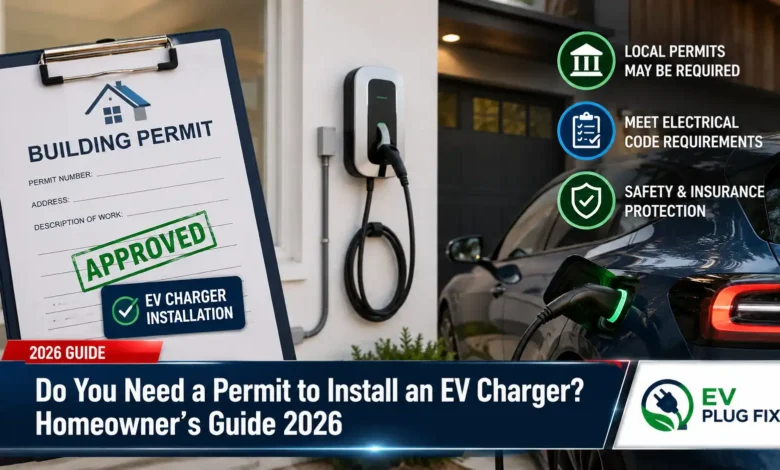
The short answer to “do you need a permit to install an EV charger” is a resounding yes for most homeowners. As electric vehicle adoption accelerates through 2026, more drivers than ever are turning to the convenience of home charging. However, before you schedule an installation or consider a weekend DIY project, understanding the local regulations and permitting requirements for an EV charger is paramount. This isn’t just bureaucratic red tape; it’s a vital step to ensure your home charging station is safe, legal, and doesn’t put your property or insurance at risk. In most jurisdictions, installing a new dedicated circuit for a Level 2 charger requires an electrical permit to comply with the National Electrical Code and local building standards.
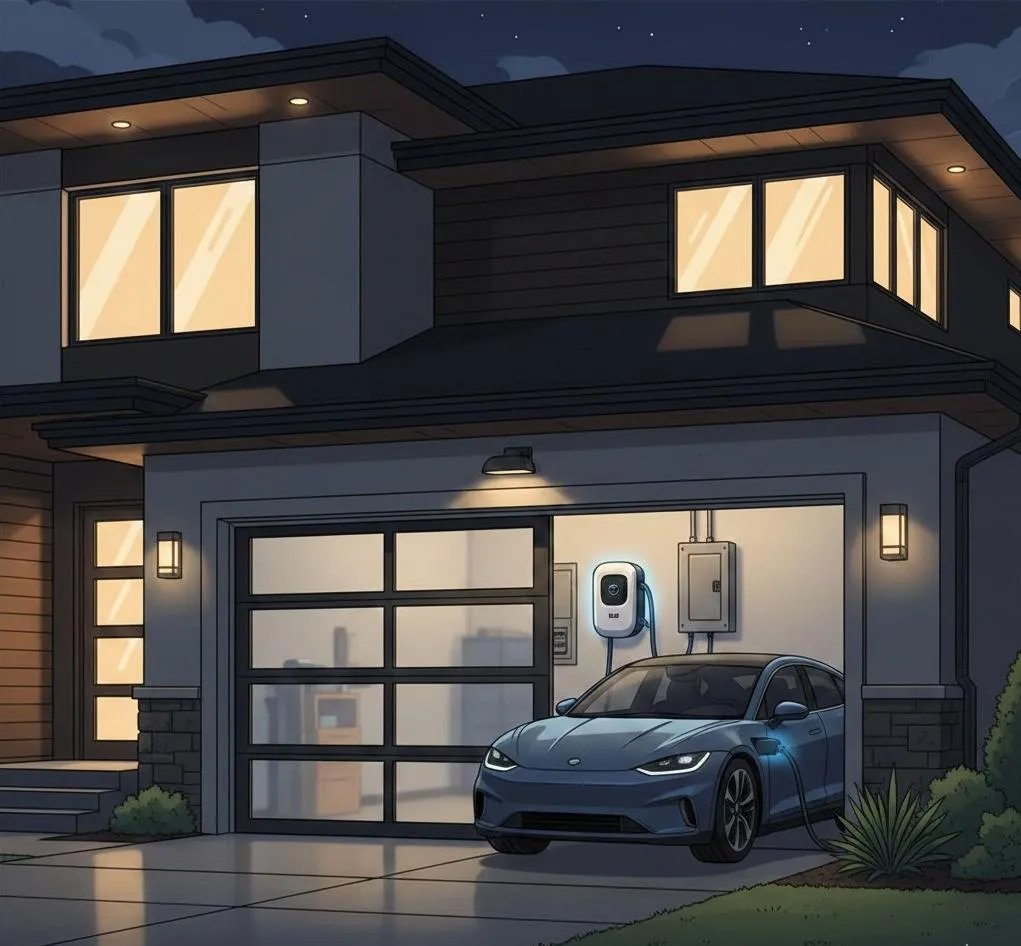
Whether you need a permit depends mainly on the type of charger you’re installing and the scope of the electrical work. Level 1 chargers, which plug into a standard 120-volt household outlet, typically do not require a permit as they don’t involve new electrical work. These chargers are the slowest, delivering about four miles of range per hour, and are best suited for plug-in hybrids or drivers with minimal daily commutes. On the other hand, Level 2 chargers operate on a 240-volt circuit and are the most popular choice for residential use, providing about 25 miles of range per hour. If you’re hardwiring the charger to your electrical panel or installing a new dedicated circuit and outlet, you will almost certainly need an electrical permit.
There is a common exception with Level 2 chargers: if you’re simply plugging one into an existing, properly rated 240-volt outlet, like a NEMA 14 receptacle often used for dryers, a permit may not be required. However, it’s crucial to have an electrician verify that the existing outlet and its wiring can handle the sustained high draw of an EV charger to prevent overheating and fire risks. Level 3 DC fast chargers are not for residential use; they are commercial-grade equipment requiring specialized professional installation and commercial permits, and are prohibited on residential properties.
Why Permits Matter: Safety and Legal Protection
The EV charger permitting process is designed to protect you, your family, and your property. It’s not just a hurdle to jump through but a critical safety net that offers several key benefits.
- Safety Assurance: The primary purpose of a permit is to ensure your installation meets all safety codes outlined in the National Electrical Code and local building regulations. An EV charger draws a substantial amount of power for extended periods. An inspector will verify that wiring is correctly sized, breakers are appropriately rated, and all connections are secure to prevent electrical fires, system failures, or electrocution hazards.
- Insurance Coverage: Installing electrical equipment without proper permits can void your homeowner’s insurance policy. If a fire or other electrical issue occurs due to unpermitted work, your insurance company could deny the claim, leaving you personally liable for all damages and losses.
- Property Value and Resale: When selling your home, proof of permitted and inspected work provides confidence to potential buyers. It demonstrates that the EV charging station was installed correctly and legally. Unpermitted work discovered during a home inspection can derail a sale or force you to make expensive corrections.
- Liability Protection: The permit process establishes clear responsibility for the work. If you hire a licensed contractor, the permit documents their liability for the installation, protecting you from being held responsible for any defects or issues arising from their work.
The EV Charger Permitting Process: What to Expect
While specific procedures vary by jurisdiction, the general process for obtaining an EV charger permit follows a similar pattern. It’s a straightforward but essential series of steps.
Application Submission: Your first step is to contact your local building department to get the necessary permit application forms. Many jurisdictions now offer online permit applications, streamlining the process significantly. The application will require details about the charger type, its power rating, installation location, and electrical specifications. You’ll also need to submit the manufacturer’s installation instructions and often a residential load calculation worksheet demonstrating your home’s electrical system can handle the additional load, typically 125% of the charger’s nameplate rating.
Plan Review and Fee Payment: Once submitted, your application is reviewed by the building department to verify it meets code requirements. For residential installations, this review is often expedited. After approval, you’ll receive an invoice for the permit fee. While fees vary, a residential EV charger permit can cost anywhere from $50 to $200 or more. Some municipalities have adopted a flat fee specifically for EV chargers.
Installation and Inspection: With the permit in hand, your installation can proceed. Remember, in many areas, only licensed electrical contractors may pull permits, though some jurisdictions allow homeowners to do so for their own single-family residence. After the work is complete, you must schedule an inspection with your local building department. The inspector will verify that all work was performed according to approved plans and meets code requirements. Your EV charger can only be legally used after passing inspection.
Timeline and Cost Considerations
The time required to get a permit varies based on location and project complexity. For most residential projects, the process typically takes between 1 to 4 weeks. Some jurisdictions offer same-day permits for straightforward installations, while others with more complex review processes can take longer.
Permit costs also vary widely. A simple residential installation might incur a fee of around $100. More complex projects, such as those requiring a panel upgrade or significant electrical work, can be more. It’s also important to note that these permit fees are separate from the installation costs charged by your electrician. In some areas, like Dubai, a separate “No Objection Certificate” (NOC) from the landlord or building management is required before applying for the final utility approval.
Who Should Pull the Permit?
This is a crucial question. In many jurisdictions, homeowners are legally allowed to pull permits for their own property. However, this approach comes with significant drawbacks. Electrical permits often require detailed knowledge of local codes, complex load calculations, and technical diagrams that only licensed electricians typically understand.
More importantly, some jurisdictions will only issue electrical permits to licensed professionals. Hiring a licensed electrician to pull permits on your behalf offers numerous advantages: they understand local requirements, can complete applications correctly the first time, and assume liability for the work performed. Their familiarity with the inspection process ensures your installation passes on the first attempt, avoiding costly delays and corrections.
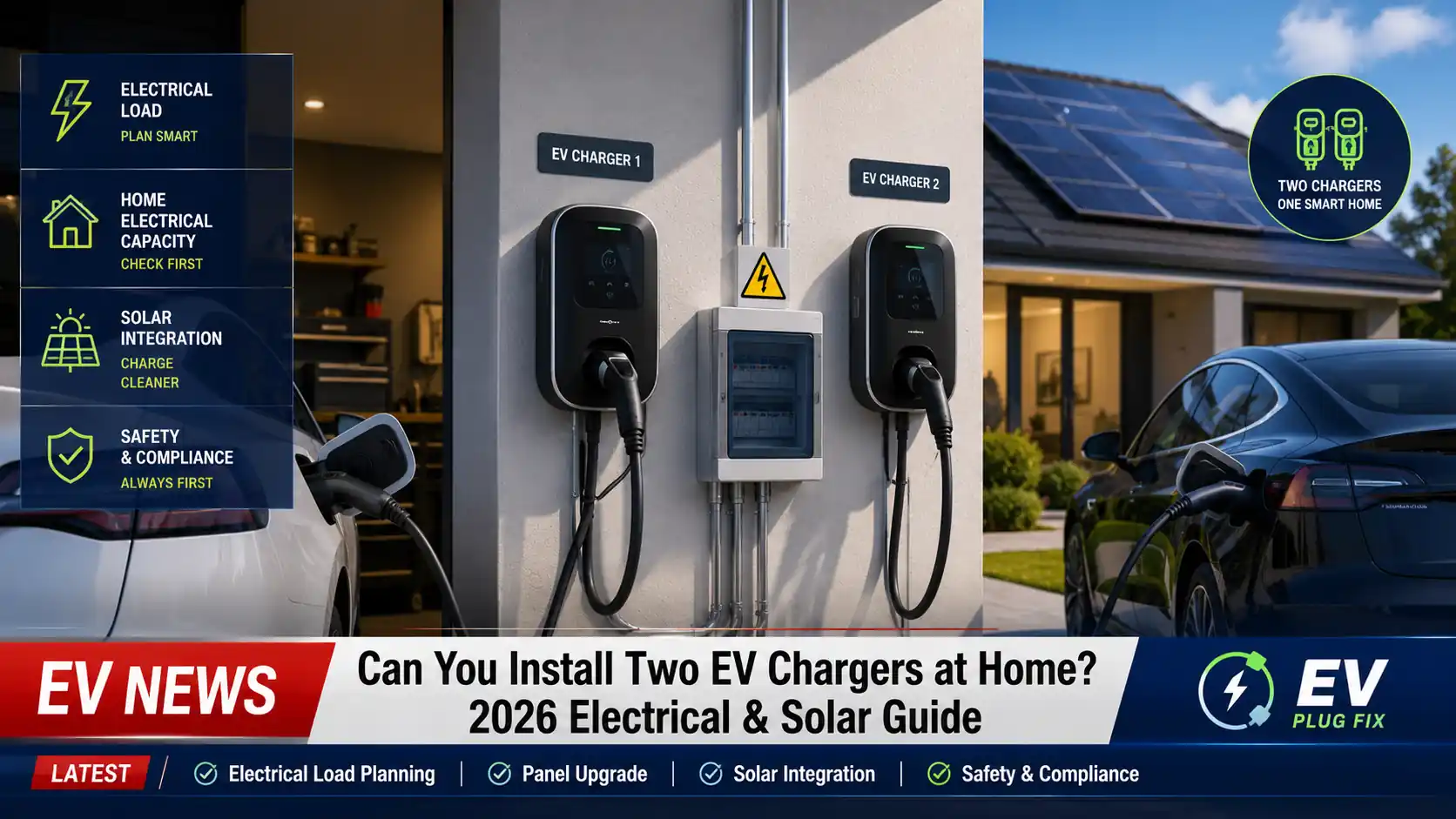
Attempting a DIY installation to save money poses serious risks. Beyond the obvious safety hazards of working with high-voltage electrical systems, improper installation can lead to expensive repairs, code violations, voided warranties, and personal liability for damages. Professional installation provides peace of mind that your charging system will function safely and reliably for years.
Regional Variations and Special Considerations
It’s vital to remember that permit requirements are highly localized. Some states have implemented legislation to streamline the process, while others may have more stringent requirements. For example, states like California have mandated expedited permitting for EV charging stations, while other regions may have minimal requirements for residential installations. Always check directly with your specific local building department rather than relying on general online information.
For homes with limited electrical capacity, you may need a panel upgrade (a “heavy-up”) from your utility company before installing an EV charger. These additional requirements significantly impact project costs and timelines but are necessary to ensure safe operation. Additionally, if you live in a strata or have a homeowner’s association (HOA), be sure to review any covenants or deed restrictions that might impose their own approval processes.
Essential Questions & Expert Answers
Do I need a permit for a Level 1 EV charger?
What happens if I install an EV charger without a permit?
Can a homeowner pull an electrical permit for an EV charger?
How much does an EV charger permit cost?
EV Charger Permit Requirements at a Glance
| Charger Type | Voltage | Permit Typically Required? |
|---|---|---|
| Level 1 | 120V | No (if using existing outlet) |
| Level 2 | 240V | Yes (for new circuit or hardwiring) |
| Level 3 (DC Fast) | 480V+ | Yes (commercial only; not for residential) |
Conclusion
Installing an EV charger at home offers tremendous convenience for electric vehicle owners, but navigating the permitting process is a crucial first step. While permits and inspections might seem daunting, they exist to protect your safety, property value, and legal standing. By working with licensed electricians and obtaining the proper permits, you can ensure your home charging installation is safe, legal, and built to last. Contact your local building department to understand the specific requirements in your area and invest in professional installation for peace of mind.