Dynamic Energy Tariffs for EV Charging: Smart Savings & Grid Benefits 2026
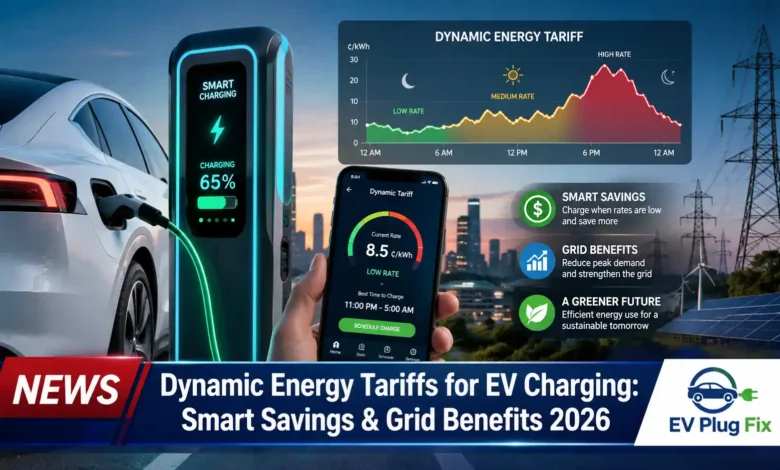
Dynamic energy tariffs are transforming the way electric vehicle owners approach charging, turning a once-simple task into a strategic opportunity for significant cost savings. At EVPlugFix.com, we’re seeing a major shift in 2026 as more drivers discover that smart wallboxes, integrated with real-time energy pricing, can slash their electricity bills by as much as 60%. By capitalizing on fluctuating energy tariffs, your electric car becomes an intelligent consumer, powering up when demand is at its lowest and prices are most favorable. This smart energy management approach doesn’t just benefit your wallet—it actively supports a more stable and efficient power grid, maximizing efficiency and minimizing your environmental footprint. But how exactly does this dynamic energy strategy work, and what do you need to get started with it?
If you are not familiar with dynamic energy tariffs, here is the core concept: your smart wallbox integrates with your energy supplier’s real-time price tracking system. This connectivity allows the charger to spring into action automatically when electricity prices decrease to a specified level determined by you. As prices fluctuate on an hourly basis, your charger actively waits for the price threshold you’ve set, ensuring you only draw power when it’s most affordable. This sophisticated mechanism, often referred to as “smart charging,” is the key to unlocking substantial savings on your EV energy costs.
When it comes to dynamic tariff capabilities, the go-e charger is a standout example. In the go-e Charger app, this function is known as “ECO mode.” The company has established collaborations with hundreds of electricity providers globally, making it highly probable that your specific provider is already included in their list. The approach is user-centric, simplifying the process of connecting your EV charger to the most cost-effective energy rates available. This integration is a prime example of how modern EV technology is designed to simplify complex energy markets for the average consumer.
In addition to ECO mode, go-e offers the so-called “Next Trip Modus.” This feature represents a leap forward in intelligent energy management. Instead of simply waiting for the cheapest price, you set a specific time and the amount of kWh your car needs to be charged by, without any price limitations. The charger’s task is to intelligently select the cheapest hours for charging according to your electricity tariff until the specified number of kWh is reached within the set time limit. This ensures your car is ready when you need it, all while minimizing the cost of the charge.
The tangible result of leveraging these dynamic energy tariffs is two-fold. First, you can pay less for charging by capitalizing on lower electricity prices during off-peak hours. This translates directly into more savings in your pocket. Second, you help lighten the load on the power grid. By shifting your charging to off-peak hours, you ease the burden on the energy infrastructure, contributing to a more stable and resilient energy system for everyone.
- Pay less for charging: Lower electricity prices during off-peak hours mean more savings in your pocket.
- Lighten the load: Charging during off-peak hours eases the burden on the power grid, contributing to a more stable energy infrastructure.
The Surge of Dynamic Energy Tariffs in 2026
The global push toward dynamic pricing models is accelerating, with 2026 marking a pivotal year for the widespread adoption of flexible EV charging pricing. Countries like Türkiye are leading the charge with regulatory changes that allow operators to introduce dynamic pricing models, designed to encourage consumption during off-peak hours and improve infrastructure efficiency. According to data compiled by Anadolu, these regulatory changes are a strategic move to boost competition in the EV charging market while ensuring more efficient use of existing grid capacity.
Berkan Bayram, head of the Electric and Hybrid Vehicles Association of Türkiye (TEHAD), stated that flexible pricing will play a decisive role as EV adoption accelerates. He predicts that monthly charging costs could fall by as much as 60% by steering EV users toward nighttime tariffs. This remarkable potential for savings underscores the importance of understanding and adopting dynamic energy tariff strategies. The shift is not just about saving money; it’s about fundamentally reshaping how we interact with the energy grid.
This trend is reinforced by global research on tariff frameworks for electric vehicle charging stations. The academic community is increasingly developing frameworks that reconceptualize tariffs as instruments of integrated transport and energy policy. These policies are moving beyond conventional techno-economic approaches to capture spatial, temporal, behavioural, and lifecycle dimensions of e-mobility, ensuring that pricing mechanisms are fair, sustainable, and context-sensitive. As dynamic pricing becomes the norm, EV owners who adapt will be the primary beneficiaries of a more intelligent and cost-effective energy system.
How to Maximize Savings with Smart EV Charging
Maximizing your savings with dynamic energy tariffs requires more than just signing up for a plan—it’s about leveraging the full capabilities of your smart charging ecosystem. By understanding and utilizing the features available in your EV charger’s app, you can achieve unprecedented efficiency and cost reduction. The journey to optimal savings begins with setting up your charger to interact intelligently with your electricity tariff, making the process as automated and seamless as possible.
1. Master the ECO Mode: The “ECO mode” found in chargers like the go-e is your primary tool for cost savings. By setting a price threshold, you instruct the charger to only operate when electricity prices fall below that level. This hands-off approach ensures you are always using the cheapest energy available without constantly monitoring the market. Research confirms the potential of this approach; dynamic charging strategies have been shown to reduce charging costs by up to 67% compared to other strategies.
2. Optimize with the “Next Trip Modus”: This feature is a game-changer for drivers with specific scheduling needs. By inputting a departure time and the required kWh, the charger automatically finds the cheapest energy windows within that timeframe to achieve your target charge. This balances cost savings with convenience, ensuring your EV is ready when you are without overspending. Studies on automated smart-charge management show that it effectively shifts charging to more cost-effective and grid-friendly time windows, lowering grid fees by up to 11.9 ct/kWh gross.
3. Monitor and Adjust: Successful EV charging with dynamic tariffs is not a “set it and forget it” scenario. Regularly monitor your energy usage and charging patterns via your app. This visibility allows you to identify trends, adjust thresholds, and further refine your settings to maximize savings. Over time, small adjustments can lead to significant cumulative savings on your monthly electricity bill.
- Automate Your Savings: Let your smart charger find the cheapest rates automatically.
- Combine with Renewables: Charge using surplus solar or wind energy for even greater sustainability and cost reduction.
- Stay Informed: Keep an eye on utility rate changes and adjust your charger settings accordingly.
Furthermore, the benefits extend beyond residential charging. As microgrids and commercial charging stations adopt similar strategies, the cumulative effect on grid stability is substantial. By acting as dynamic loads, EV chargers can help balance the grid, integrating renewable energy more effectively and reducing the need for costly infrastructure upgrades. This symbiotic relationship between EV owners, charging technology, and the energy grid is the cornerstone of a sustainable and efficient energy future.
Harnessing Renewable Energy & Beyond
Dynamic energy tariffs unlock even greater potential when paired with renewable energy sources. Off-peak hours often coincide with periods of abundant renewable generation, such as sunny afternoons for solar or windy nights for wind power. By integrating smart EV charging with renewable energy, you can further reduce your carbon footprint and dependence on fossil fuels. This synergy is central to modern energy strategies, ensuring that surplus green energy is utilized rather than wasted.
Take, for example, the Indra Smart PRO EV charger, which is designed to integrate seamlessly with off-peak energy rates and solar power, helping you save on energy bills while reducing your environmental footprint. The ability to charge with free energy from your rooftop solar panels, or with grid electricity during times of high renewable generation, makes dynamic tariff strategies exceptionally powerful. This not only reduces costs but also actively supports the transition to a cleaner energy grid.
Looking ahead, the future of energy tariffs and EV charging is not just dynamic—it’s intelligent. As the grid becomes more complex, technologies like Vehicle-to-Grid (V2G) will allow electric vehicles to feed energy back into the system when needed. This bidirectional charging capability can further relieve the grid and, when combined with dynamic tariffs, could enable zero-emission, zero-cost EV driving. The groundwork being laid today with smart chargers and dynamic pricing is the foundation for a decentralized, resilient, and economically beneficial energy network.
Essential Questions & Expert Answers
What exactly is a dynamic energy tariff for EV charging?
How can I start using dynamic energy tariffs to charge my EV?
What are the potential savings from using a dynamic energy tariff?
Can I use dynamic tariffs with solar panels at home?
Are there any downsides to dynamic energy tariffs?
| Feature | ECO Mode | Next Trip Modus | Solar Integration |
|---|---|---|---|
| Primary Goal | Charge only when electricity price is below a set threshold | Reach a target kWh by a set time, using the cheapest hours available | Maximize use of free, self-generated solar energy |
| User Input | Price threshold (e.g., 15 cents/kWh) | Target kWh and departure time | Availability of solar surplus |
| Best For | Maximizing per-kWh savings, ideal for overnight charging | Ensuring a full charge for a specific trip at the lowest cost | Environmentally conscious drivers with home solar systems |
| Automation Level | High: Fully automated based on price signals | High: Automatically selects cheapest hours within the timeframe | Medium to High: Requires monitoring of solar production |
Key Takeaways: Dynamic energy tariffs are a powerful tool for reducing EV charging costs and supporting grid stability. By leveraging smart charger features like ECO mode and Next Trip Modus, you can automate savings and ensure your vehicle is always ready at the lowest possible cost. As energy markets evolve, embracing these intelligent charging strategies is the key to owning an EV in 2026 and beyond.