Tenant Wallbox Installation Austria 2026: Legal Rights & Step-by-Step Process
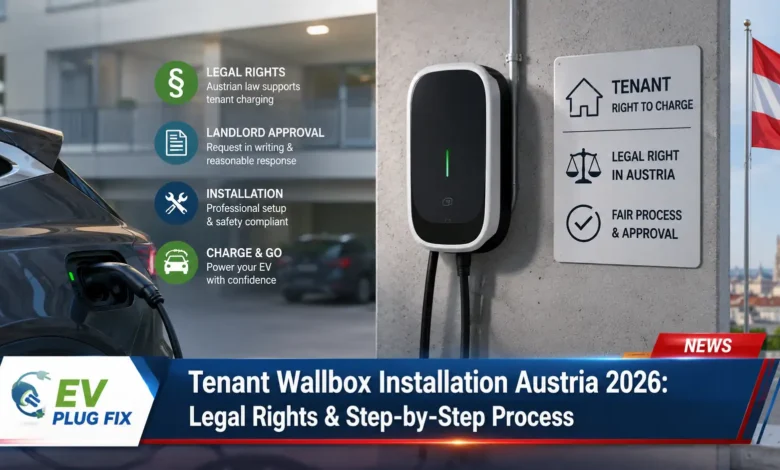
Tenant wallbox installation in Austria requires navigating a complex web of legal requirements under the Mietrechtsgesetz (MRG), technical specifications, and landlord approval processes that every EV-driving renter must understand before making any property modifications.
As electric vehicle adoption accelerates across Austria, more tenants are discovering that installing a home charging station isn’t as straightforward as simply calling an electrician. Whether you’re considering a slow charging station at 3.7 kW or aiming for a more powerful 22 kW installation, the legal and technical hurdles can feel overwhelming without proper guidance. Understanding the broader European EV Charging Standards provides essential context for what’s required in Austrian installations.
This investigative guide cuts through the confusion, providing tenants with actionable insights on legal compliance, technical requirements, and proven strategies for securing landlord approval. We’ve consulted tenancy law experts and electrical installation specialists to bring you the most current information available.
Understanding Your Legal Rights Under Austrian Tenancy Law
When renting a property in Austria, your legal standing regarding wallbox installation depends primarily on whether your tenancy falls under the full scope of the MRG (Mietrechtsgesetz). This comprehensive legislation applies to old buildings, council flats, and many other rental properties constructed before specific dates.
Section 9 of the MRG is particularly relevant for tenants seeking to make substantial alterations to their rental property. The law recognizes that installing fixed electrical infrastructure for EV charging constitutes a significant modification that affects the landlord’s property rights. Many tenants find success by first reviewing the MID Wallbox Requirements to understand the metering and billing standards that also apply to private installations.
“The key determinant is whether the parking space is permanently assigned to your rental agreement. If so, the installation of electrical connections would clearly be substantial and affect the landlord’s rights under Austrian law.”
It’s important to note that tenants are not automatically guaranteed the right to install slow charging stations, even those limited to 3.7 kW single-phase or 5.5 kW three-phase capacity. The legal situation becomes even more complex for 11 kW or 22 kW installations, which typically face greater resistance in multi-tenant buildings. For a clearer picture of what various power levels mean for your daily charging routine, check out our guide on EV Charging Levels Guide.
| Charging Power | Typical Installation Type | Legal Difficulty | Landlord Approval Likelihood |
|---|---|---|---|
| 3.7 kW (Single-phase) | Slow charging station | Moderate | Possibly |
| 5.5 kW (Three-phase) | Slow charging station | Moderate | Possibly |
| 11 kW (Three-phase) | Standard wallbox | High | Often denied |
| 22 kW (Three-phase) | High-capacity wallbox | Very High | Rarely approved |
The Critical First Steps Before Installing Your Wallbox
Experienced tenants know that the installation process involves more than just selecting a wallbox and scheduling an electrician. The following steps represent the proven approach for navigating the complex landscape of tenant-installed EV charging stations in Austrian rental properties.
1. Start Conversations Early
Before submitting any formal application or purchasing equipment, initiate an open dialogue with your apartment owner. This preliminary conversation serves multiple purposes: it gauges their receptiveness, uncovers any existing building-wide EV charging initiatives, and establishes a cooperative rather than confrontational relationship from the outset.
Many landlords in Austria are already considering EV charging solutions for apartment buildings, particularly in urban areas where EV adoption rates are highest. Your proactive approach might align with their broader property improvement plans, potentially streamlining the approval process significantly.
2. Build Coalition With Fellow Tenants
One of the most effective strategies for securing landlord approval is demonstrating collective interest. Reach out to other tenants in your building who own or are considering electric vehicles. A shared wallbox installation serving multiple residents carries far more weight than an individual request.
Modern charging cables, such as the go-e Type 2 cable available in 7.5-meter lengths, offer sufficient reach to serve multiple parking spaces from a single installation point. This practical consideration makes shared charging solutions increasingly viable in Austrian multi-tenant buildings.
- Cost sharing: Group installations significantly reduce per-tenant expenses
- Stronger negotiation position: Landlords are more responsive to collective tenant requests
- Reduced infrastructure impact: One installation serves multiple users
- Simplified maintenance: Single point of responsibility for ongoing service
3. Conduct Thorough Technical Assessment
With initial discussions underway, shift focus to the technical feasibility assessment. This critical phase involves engaging qualified electrical specialists to evaluate:
- The proposed installation site and accessibility
- Connected load capacity and existing distribution box
- Current electrical installation condition and capacity
- Potential need for dynamic load management systems
In many cases, the existing connected load proves insufficient for higher-capacity charging stations. This is where dynamic load management becomes essential, balancing EV charging with other building electrical demands to prevent overloads. For detailed guidance on your home setup, refer to our EV Charger Troubleshooting Guide which covers common electrical issues.
Advanced systems like the go-e Charger + Controller combo provide sophisticated load management capabilities that can often eliminate the need for costly electrical upgrades, making approval more likely for tenants and landlords alike.
Technical Requirements and Solutions for Tenant Installations
Understanding the technical requirements for wallbox installation in rental properties helps tenants prepare realistic proposals that address landlord concerns from the outset. This proactive approach demonstrates responsibility and competence, significantly improving approval odds.
When selecting a wallbox for your Austrian rental property, consider these technical factors carefully:
- Connected load assessment: Determine whether your building’s electrical infrastructure can support your desired charging capacity without upgrades
- Load management integration: Smart charging systems that monitor and adjust power consumption in real-time are increasingly essential
- Installation complexity: Wall-mounted units require less structural modification than floor-standing alternatives
- Future expansion capabilities: Systems capable of accommodating additional users improve long-term viability
In rare cases where the connected load proves severely insufficient, upgrading the building’s electrical connection becomes necessary. While this scenario typically causes significant delays and substantial additional costs, it’s uncommon for single wallbox installations in properly configured buildings. Understanding your EV Charging Time expectations can help you choose the right power level to avoid unnecessary electrical upgrades.
Overcoming Common Obstacles in Multi-Tenant Buildings
Multi-tenant buildings present unique challenges for EV charging infrastructure installation. The technical and legal complexities multiply when multiple parties share electrical systems and parking facilities. However, these obstacles are surmountable with proper planning and the right partners.
The most common objections landlords raise include:
- Structural concerns: Drilling into building fabric and installing permanent fixtures
- Electrical capacity: Uncertainty about whether the building can support additional electrical loads
- Fairness issues: Concerns about other tenants subsidizing EV owners’ electricity consumption
- Future maintenance: Questions about long-term liability and responsibility
- Insurance implications: Potential effects on building insurance coverage and premiums
Addressing these concerns directly in your proposal demonstrates thorough preparation and significantly improves the likelihood of approval. Consider preparing a comprehensive documentation package including technical specifications, load calculations, and professional installation details. Check our guide on EV Charger Circuit Breaker to understand the critical safety components your electrician will need to evaluate.
“Successful tenant wallbox installations in Austria typically involve a combination of early landlord engagement, technical excellence, and collective tenant action. The most straightforward cases often feature existing parking spaces assigned to specific apartments and building electrical capacity sufficient for moderate charging speeds.”
Practical Considerations for Your Wallbox Installation
Beyond legal compliance and technical requirements, successful EV charger installations for renters depend on several practical factors that experienced installers have identified as critical to long-term satisfaction.
When selecting your wallbox and planning the installation, consider these operational aspects:
Charging Cable Length
Select an appropriate charging cable length for your parking space configuration. The go-e Type 2 cable is available in multiple lengths, with the 7.5-meter option offering optimal flexibility for most Austrian parking situations.
User Interface
Choose a wallbox with intuitive controls and clear status indicators. Models with smartphone connectivity provide additional convenience and allow for remote management.
Weather Protection
Austrian weather demands robust outdoor protection. Ensure your selected wallbox offers adequate IP ratings for the installation location, particularly if installed in outdoor or semi-outdoor parking areas.
The go-e Charger has emerged as a particularly popular choice among Austrian tenants for its versatility, modular design, and seamless integration with dynamic load management systems through the accompanying Controller unit.
Final Steps: From Approval to Installation
Once you’ve secured landlord approval and completed technical assessment, the installation process can proceed. Ensure all work is performed by certified electrical contractors who understand the specific requirements of EV charging station installation in rental properties.
Document the entire installation process, maintain clear communication with your landlord throughout, and consider arranging a joint inspection upon completion. This collaborative approach lays the foundation for positive ongoing relationships with property owners and fellow tenants.
Remember that installing a wallbox as a tenant in Austria requires patience, thorough preparation, and willingness to navigate both legal and technical requirements. With the right approach and careful planning, you can enjoy convenient home EV charging while maintaining positive relationships with your landlord and neighbors.