Do EV Chargers Use Electricity When Not Charging? 2026 Power Truth
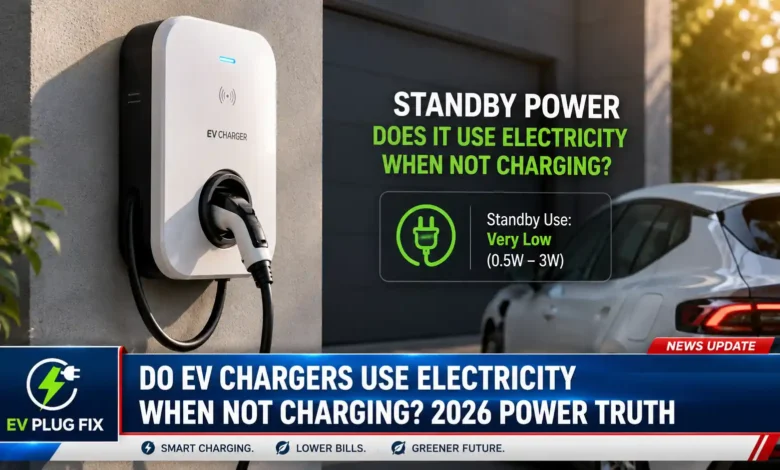
Does your EV charger keep sipping electricity even when your car is unplugged and the garage is quiet? That’s the million-dollar question—or rather, the five-dollar-a-year question—that every new EV owner eventually asks. The short answer is yes, most residential home EV chargers do consume some power while idle. But before you sprint to the circuit breaker, let’s investigate what that standby energy really costs, whether it’s dangerous, and how smart charging habits can protect both your equipment and your peace of mind.
What’s Actually Happening Inside an Idle EV Charger?
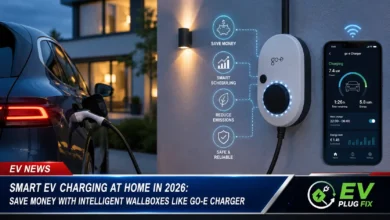
Think of your smart home charging station as a miniature computer permanently bolted to your wall. Even when it’s not pumping electrons into your EV battery, it’s still running background operations. Your Wi-Fi-connected EV charger maintains a live internet link for over-the-air updates, keeps its interface display lit, monitors internal temperature sensors, and stays primed to start a charging session the instant you connect your vehicle.
It’s remarkably similar to leaving your television on standby—it’s not showing a movie, but it’s certainly not off. Most residential Level 2 EV chargers draw between 2 to 10 watts when idle. The higher end of that spectrum typically belongs to feature-rich smart EV chargers with touchscreen panels, cellular connectivity, and advanced energy management systems. That might not sound like much, and in truth, it isn’t. But over a full year, those idle watts weave themselves into a larger story.
| Charger Type | Standby Power Draw | Estimated Annual Cost (2026) |
|---|---|---|
| Basic Level 2 Charger (No Smart Features) | 2-3 watts | $2.50 – $4.00 |
| Standard Smart Charger (Wi-Fi + App) | 5-7 watts | $6.50 – $9.00 |
| Premium Smart Charger (Display + Cellular) | 8-10 watts | $10.50 – $15.00 |
Is It Safe to Leave Your EV Charger Plugged In 24/7?
Let’s cut through the fear-mongering: modern home charging equipment undergoes stringent safety testing and certification, including UL listing and CE marking, specifically designed for continuous operation. These residential EV chargers are engineered to remain powered indefinitely without posing significant safety risks. Understanding EV charger protection ratings can give you additional confidence in your equipment’s durability.
However, responsible ownership means understanding realistic risk factors. Electronic components, particularly capacitors, experience gradual degradation from constant low-level power. While this doesn’t equate to imminent failure, it does mean your smart EV charger’s lifespan is technically ticking every moment it’s energized. Thermal stress from prolonged operation, dust accumulation blocking ventilation, and exposure to power surges from grid fluctuations are all genuine—if rare—concerns.
“The risk of fire or equipment failure from leaving a certified charger plugged in is extremely low, but it’s not zero. Regular visual inspections are the best insurance policy.” — EV PlugFix Safety Advisory
What about power surges from lightning strikes or utility grid spikes? An unplugged charger is completely immune to these events. A connected one remains vulnerable. Still, for properly installed equipment with surge protection, this risk remains statistically negligible.
The Real Cost of Standby Power: Breaking Down the Numbers
Here’s where we separate fact from fiction. Using the national average electricity cost of $0.16 per kWh in 2026, let’s calculate exactly what that idle charger is costing you.
Basic Charger (3W Standby)
- Daily consumption: 0.072 kWh
- Annual consumption: 26.28 kWh
- Yearly cost: $4.20
Smart Charger (7W Standby)
- Daily consumption: 0.168 kWh
- Annual consumption: 61.32 kWh
- Yearly cost: $9.81
Premium Smart Charger (10W Standby)
- Daily consumption: 0.240 kWh
- Annual consumption: 87.60 kWh
- Yearly cost: $14.02
Even at the highest end of the range, we’re talking about the cost of a lunch out per year. But here’s the nuance: premium smart EV chargers justify that energy draw through tangible benefits. Scheduled charging enables you to exploit EV time-of-use plans and off-peak savings, potentially saving hundreds annually on vehicle charging. Real-time monitoring through your mobile app provides visibility into your driving and charging habits. Automatic firmware updates ensure your home charging station remains secure and optimized.
The environmental impact, while real, remains microscopic compared to your vehicle’s operational energy. A typical EV consumes roughly 4,000 kWh annually for driving. Standby power represents less than 2% of that total for even the most power-hungry charger.
Does Idle Power Shorten Your Charger’s Lifespan?
This is the question that keeps technically-minded EV owners awake. Continuous operation does impose ongoing stress on electronic components. Capacitors, in particular, experience wear from sustained voltage exposure. Premium smart EV chargers with complex circuitry and connectivity features naturally contain more components that can potentially degrade over time.
However, frequent power cycling—repeatedly unplugging and reconnecting your Level 2 charger—creates its own form of stress. The initial power surge when re-energizing components can be more damaging than steady-state operation. Think of it like a light bulb: the moment of switch-on is often when failure occurs, not during steady illumination.
Industry data suggests quality residential EV chargers are designed for continuous operation over 10-15 years of service. Lower-cost home charging stations with economy components may see reduced longevity, but standby power consumption is factored into the design specifications of every reputable manufacturer.
Smart Habits to Optimize Charger Performance and Safety
The optimal approach balances convenience, cost, and equipment care. Here’s what EV experts recommend in 2026:
For Daily EV Users
If you charge multiple times per week, keep your home charger plugged in continuously. The convenience of instant readiness and access to smart scheduling features outweighs the minimal standby costs. Perform a monthly visual inspection for unusual warmth, discoloration, or physical damage. Ensure ventilation slots remain clear of dust.
For Occasional Users
If you charge weekly or less, consider physically unplugging your Level 2 charging station or switching off its dedicated circuit breaker during extended non-use periods. This eliminates standby draw entirely and protects against power surge damage. The infrequent cycling won’t meaningfully impact component longevity.
Smart Monitoring and Control
Install a Wi-Fi energy monitor on your EV charger circuit to track exact idle consumption. Many modern smart chargers now include built-in power monitoring within their companion mobile apps. Use scheduling features to place your charger into a deeper sleep mode during predictable non-charging periods, reducing standby draw while preserving connectivity. Understanding EV charging efficiency can help you optimize your entire charging setup.
Install a Dedicated Circuit Breaker
Having a dedicated breaker for your Level 2 charger provides the ultimate control. Before vacations or extended absences, simply flip the breaker. This gives you the safety and cost advantages of disconnection without physically stressing the charging cable connector or port.
Regular Maintenance
Dust accumulation is the silent enemy of all electronics. Gently clean your EV charger casing every two months with a soft, dry cloth. Check that the charging connector and cable show no signs of wear or cracking. Ensure the mounting remains secure and vibration-free. If you’re considering an upgrade, features like Plug and Charge technology can simplify your daily routine with seamless authentication.
Final Verdict: Should You Unplug Your EV Charger?
Do home EV chargers use electricity when not actively charging your vehicle? Yes, absolutely. Should that change how you operate your home charging setup? For most EV owners, the answer is no. The standby consumption is minimal, the annual costs remain under twenty dollars for even the most advanced smart chargers, and safety risks stay exceptionally low with certified equipment.
The smartest approach is tailored to your usage patterns. Daily drivers should leave their home EV charger connected and leverage its smart features for optimal efficiency. Infrequent users can gain peace of mind by disconnecting during downtime. Everyone benefits from periodic visual inspections and basic maintenance.
Compared to the environmental and financial benefits of driving electric, the standby power of your residential EV charger is statistical noise. Stay informed, practice common-sense maintenance, and focus your energy where it truly matters—on the road ahead.