EV Charging Data Records: Essential Elements & Global Standards 2026
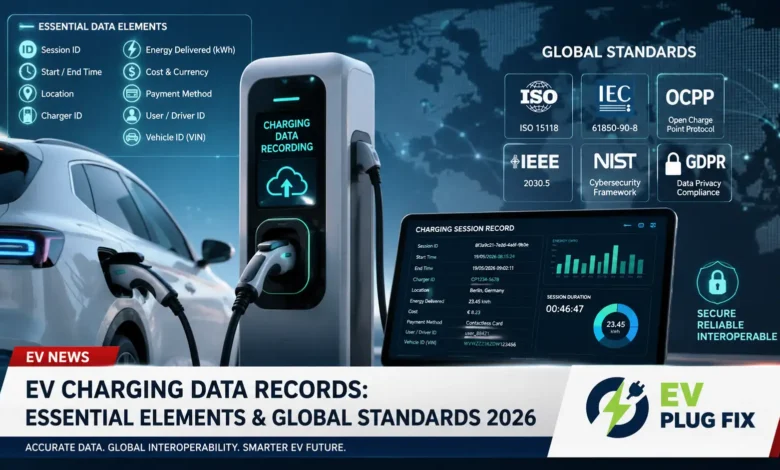
EV charging data records are the foundation of modern electric vehicle infrastructure, serving as the lifeblood for everything from accurate billing to grid stability and smart charging optimization. These digital records capture the complete story of every charging session, transforming raw energy transfer into actionable intelligence that drives operational excellence and regulatory compliance across the global EV ecosystem.
Why Charging Records Matter More Than Ever in 2026
As the EV industry matures, charging records have evolved from simple transaction receipts to comprehensive data assets that serve multiple critical functions. They enable precise billing and accounting, provide invaluable operational insights for network operators, help utilities balance grid demand, and increasingly support regulatory compliance and carbon accounting initiatives. A charging record acts like a digital receipt with superpowers—it captures not just the transaction details but creates a holistic picture of EV charging behavior, infrastructure performance, and energy flow patterns. Understanding EV Charging Speed Factors is essential for interpreting performance metrics within these records.
| Data Element Category | Key Components | Primary Purpose |
|---|---|---|
| Transaction Fundamentals | Session ID, timestamps, energy delivered (kWh), cost, time zone data | Billing accuracy and audit trail creation |
| Technical Performance | Peak power, charging rate variations, interruptions, error codes | Station optimization and maintenance planning |
| Payment & Authentication | Payment method, membership details, pricing structure, user credentials | Secure transactions and user experience |
| Grid Integration Data | Time-of-use patterns, demand response participation, load profiles | Grid stability and renewable integration |
Transaction Fundamentals: The Digital Audit Trail
Every charging record must capture the basics: when the session started and ended, how much energy was delivered, and what it cost. But the details matter tremendously. Timestamps need precision down to the second with proper time zone handling, while energy measurements require accuracy to at least two decimal places—small discrepancies can compound across thousands of sessions. For property managers and fleet operators, integrating this data with EV Charging Reimbursement Guide systems ensures accurate cost allocation and tenant billing.
Unique identifiers form the backbone of accountability. Each session requires a distinct ID, charging station identification, and proper user or vehicle authentication records. These identifiers create the audit trail that makes the entire system trustworthy and enables seamless integration with billing platforms and regulatory reporting requirements. Modern Plug and Charge Technology simplifies this authentication process while maintaining robust security standards.
Technical Performance Data: Beyond Basic Billing
Modern charging records go far beyond simple transaction data. They capture technical performance metrics including peak power delivery, charging rate variations over time, interruptions, and error codes. This rich data helps operators identify underperforming stations, predict maintenance needs, and optimize charging speeds across their networks. The distinction between AC vs DC Charging significantly impacts these performance metrics, as each technology produces distinct power delivery profiles and efficiency characteristics.
Battery state-of-charge information at both the start and end of sessions provides deep insights into user behavior while validating energy delivery accuracy. Temperature readings from charging equipment can flag potential safety issues before they escalate—a critical capability as charging infrastructure expands globally. Monitoring these thermal conditions aligns with High-Power EV Thermal Management best practices for maintaining equipment reliability and longevity.
Global Regulatory Standards: Regional Requirements in 2026
EV charging record requirements vary significantly across regions, reflecting different regulatory priorities and infrastructure development stages. Understanding these differences is essential for operators planning international expansion or developing globally compatible systems.
European Union: Precision and Transparency
Europe leads with stringent requirements for charging records. The Measuring Instruments Directive (MID) mandates that energy measurements come from calibrated, certified meters, with detailed metering data that can be cryptographically verified. Germany’s Eichrecht (calibration law) compliance goes further, requiring digitally signed and tamper-proof charging records. Operators deploying in Germany must also adhere to §14a EnWG Compliance Guide requirements, which mandate specific grid-friendly charging behaviors and data reporting protocols.
Users must be able to verify that billed energy matches actual delivery, meaning records include hash values, digital signatures, and meter readings in machine-readable formats. EU roaming requirements add another layer, requiring standardized data elements that enable seamless billing across networks and countries through protocols like OCPP.
North America: Grid Services and Demand Response
The United States and Canada emphasize grid services programs and demand response capabilities in their charging data requirements. Many utilities offer incentives for flexible charging, requiring records to document whether charging occurred during incentivized periods and at what power levels. Leveraging EV Time-of-Use Plans helps operators optimize charging schedules while maximizing utility incentive participation.
California’s regulations are particularly comprehensive, requiring detailed reporting of charging session data for rebate programs and grid planning. Records must include geographic coordinates to help utilities identify distribution system impacts and plan infrastructure upgrades. The state now mandates that networked public chargers installed after September 28, 2026, must comply with OCPP 2.0.1 and transmit data through specific specifications.
Time-of-use rates are common across North America, so records often need to show how charges are calculated across different rate periods, ensuring billing transparency and enabling sophisticated pricing strategies.
Asia-Pacific: Diverse Priorities
China’s charging records reflect government EV incentives and battery safety concerns. Records must capture data verifying eligibility for subsidy programs, including vehicle identification numbers, battery capacities, and certification information. Detailed battery monitoring data—temperature readings, voltage curves, and state-of-health indicators—helps identify potentially dangerous battery conditions. Regular EV Battery Lifespan assessments through diagnostic checks are essential for maintaining safety and performance standards.
Japan’s approach incorporates disaster preparedness and advanced vehicle-to-grid (V2X) capabilities. Records must capture bidirectional energy flow for both charging and discharging events, supporting CHAdeMO protocol formats and potentially documenting emergency charging events differently from routine charging.
Singapore mandates that licensees keep static records for three years and dynamic records for one year, submitting static data monthly and dynamic data in real-time through OCPI protocols.
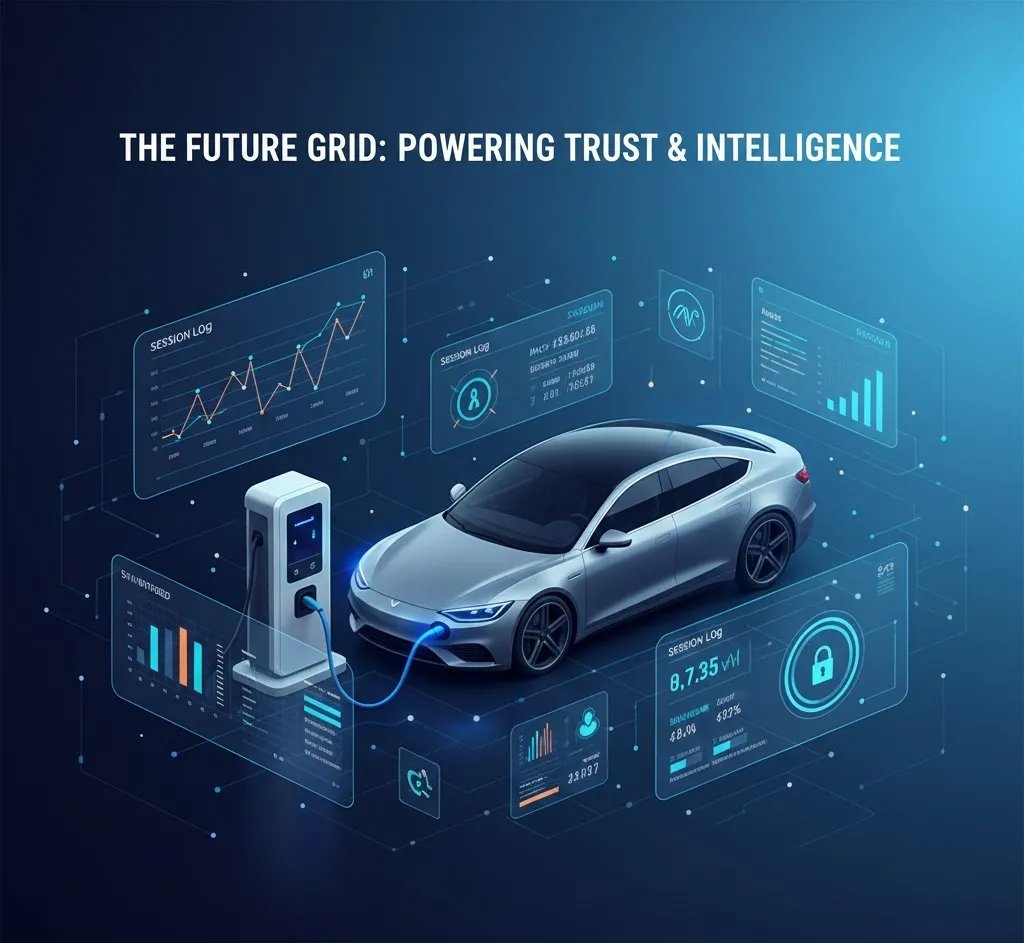
Modern EV charging apps provide drivers with detailed session data and cost breakdowns
Implementation Best Practices for Charging Infrastructure
Building robust, compliant charging data systems requires attention to several key areas. Here are essential best practices for operators and technology providers:
- Adopt open protocols: Implement OCPP 2.0.1 for interoperability and regulatory compliance, supporting both current requirements and future updates
- Ensure metering accuracy: Use billing-grade meters with regular calibration and verification documentation
- Enable flexible data structures: Design systems that can accommodate varying regional requirements and evolving standards
- Implement tamper-proof records: Use digital signatures and cryptographic verification where required
- Support real-time transmission: Enable API-based data submission for regulators and grid operators
- Maintain comprehensive audit trails: Keep detailed logs of data generation, transmission, and any corrections
“Fiscal receipts are more than basic session summaries—they must meet legal requirements for proof of sale and tax reporting, including tax-relevant information, unique transaction IDs, and verifiable energy measurements. The exact requirements depend on local law, but common fields include operator identity, VAT details, and energy delivered.”
The Future of Charging Data: What’s Next in EV Infrastructure
As the EV ecosystem evolves, charging records will capture even more data types. Carbon intensity of electricity used, participation in demand response events, integration with smart home energy management systems, and V2X capabilities will all require new data fields and processing capabilities.
Standardization efforts continue with initiatives like IEC 63119-1:2025 for charging roaming service information exchange, which establishes common frameworks for data sharing between charging service providers and operators. The Open Charge Alliance’s OCPP certification program increasingly serves as a benchmark for interoperability and regulatory compliance.
The key is building flexible systems that accommodate regional requirements while maintaining core data integrity and security. The charging record of today represents just the beginning—it’s evolving into a comprehensive data layer that will optimize not just individual charging sessions but the entire energy transition.
For everyone involved in EV charging, the lesson is clear: invest in robust, adaptable data infrastructure from the start. The data you collect today will become increasingly valuable tomorrow, enabling smarter infrastructure, better user experiences, and more sustainable energy management.