PV Surplus Charging 2026: Maximize Solar Energy With go-e Charger & Controller
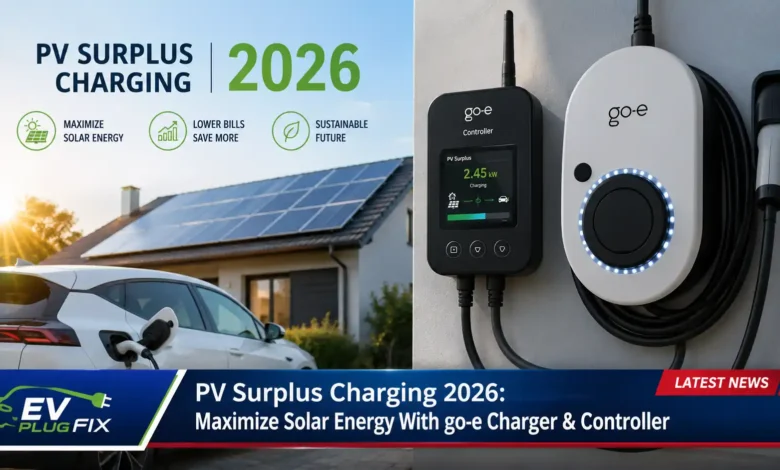
PV surplus charging is transforming how electric vehicle owners power their cars, offering a way to directly utilize unused solar energy to significantly reduce electricity costs and carbon footprints. When your household solar panels generate more power than your home consumes, that surplus electricity can be directed to charge your EV instead of being fed back into the grid for a minimal return. This intelligent energy management not only saves real money but also promotes sustainable driving with genuinely green energy. The smart wallbox system from go-e, comprising the go-e Charger and the go-e Controller, automates this entire process, ensuring your electric car gets charged efficiently and effortlessly from your photovoltaic system’s excess production.
What is PV Surplus Charging and Why is it Critical in 2026?
PV surplus charging is a method of charging electric vehicles that uses only the excess energy generated by a home photovoltaic system after all household demands are met . Instead of letting this free energy go to waste, a smart charging system like the go-e solution ensures it powers your electric car. This practice is becoming increasingly vital as energy prices remain volatile and the push for sustainable energy solutions intensifies. For those considering a similar upgrade, understanding Level 2 EV Charger Installation requirements can help ensure your home is properly equipped for efficient solar charging.
| Component | Function | Key Feature |
|---|---|---|
| go-e Controller | Monitors household energy consumption and PV production to identify surplus power . | Controls unlimited go-e Chargers and offers extensive integration (API, MQTT) . |
| go-e Charger (Gemini, Pro, etc.) | Receives signals from the Controller and manages the EV charging process . | Automatically switches between 1-phase and 3-phase charging based on available surplus . |
| go-e App | User interface for setting preferences and monitoring energy flows . | Allows for full customization of surplus charging and viewing of energy statistics . |
How the go-e System Works: A Step-by-Step Breakdown
The go-e system is designed for seamless, automated operation. Here’s how it intelligently manages your EV charging with solar power:
- Monitoring and Calculation: The go-e Controller continuously tracks your home’s energy consumption and the power your PV system is producing.
- Surplus Detection: When solar production exceeds household demand, the Controller calculates the available surplus electricity.
- Automatic Activation: Once the surplus reaches the minimum required power for single-phase charging (approximately 1.4 kW), the Controller signals the go-e Charger to begin charging .
- Dynamic Phase Switching: The go-e Charger automatically adjusts between single-phase and three-phase charging based on the amount of surplus energy available, ensuring efficient use even with fluctuating solar generation .
“Sit back and relax. The smart wallbox system regulates the charging process for you.”
Hardware Options: go-e Controller vs. App-Only Solution
While the go-e Controller offers a dedicated hardware solution, it’s important to note that PV surplus charging can also be achieved through software alone. As of 2026, the go-e app can fetch data directly from your PV system or inverter for a purely software-based approach, potentially saving you the purchase and installation of additional hardware . For those weighing their options, the go-e Gemini flex Comparison can help you choose the right charger model for your specific solar setup.
However, the go-e Controller remains the premium choice for comprehensive energy management. It features real-time measurement of energy flows (L1/L2/L3) and is essential for dynamic load management, which reduces charging power during peak loads to prevent main fuse overloads . It also allows for automatic 1↔3-phase changeover with compatible chargers, maximizing efficiency even at lower power levels .
Combining PV Surplus with Dynamic Tariffs for Maximum Savings
Advanced users can take their energy savings further by combining PV surplus charging with dynamic electricity tariffs. By setting a price limit in the go-e app, the Charger can automatically switch to charging from the grid during the cheapest hours when surplus solar power isn’t available . This hybrid approach ensures your car is always charged in the most cost-effective way possible.
Is PV Surplus Charging Right for You?
If you have an EV and a solar PV system, PV surplus charging is a no-brainer. It offers a direct path to reducing your energy bills, minimizing your carbon footprint, and maximizing the return on your solar investment. Whether you choose the dedicated go-e Controller for robust hardware-based management or the flexible app-only software solution, the technology to drive on sunshine is readily available in 2026. Even in challenging conditions, such as cold weather affecting battery efficiency, pairing solar charging with insights from tests like the Kia EV6 winter range study can help you plan your charging strategy year-round.