EV Load Shifting 2026: Smart Charging Strategies That Cut Energy Bills Without Sacrificing Sleep
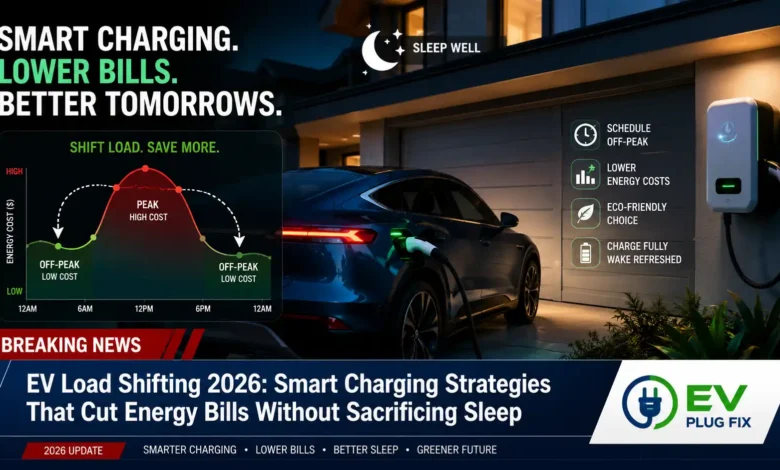
EV load shifting has emerged as the most practical solution for electric vehicle owners seeking to reduce their carbon footprint and energy expenses without the inconvenience of midnight trips to the garage. As electricity demand continues to strain aging power infrastructure across the United States and Europe, innovative energy management strategies are transforming how we charge our vehicles.
Energy experts estimate that residential EV charging accounts for nearly 60% of home electricity consumption during peak hours, making load shifting not just a personal financial strategy but a critical component of grid stability. The concept is elegantly simple: shift your EV charging to off-peak hours when electricity demand drops, utility rates plummet, and renewable energy sources like wind power reach their peak generation.
🎯 Expert Insight: The Real Cost of Peak Charging
Analysis from leading energy economists reveals that EV owners who consistently charge during peak demand hours pay an average of 35-45% more for electricity compared to those utilizing off-peak load shifting strategies. For the average American EV driver covering 1,000 miles monthly, this translates to potential annual savings of $400-$600.
Understanding EV Load Shifting: Beyond Midnight Charging
While the concept of shifting energy consumption to nighttime hours seems straightforward, the practical implementation for EV owners requires more sophisticated solutions than setting a 2 AM alarm. The traditional approach of manually plugging in at midnight and racing to unplug before 5 AM simply doesn’t align with modern lifestyles.
The load shifting principle operates on a fundamental economic reality: electricity is cheaper and cleaner when fewer people are using it. Utility companies across the nation have implemented time-of-use (TOU) pricing structures that incentivize off-peak consumption. These rate plans typically offer electricity at 30-50% less during nighttime hours, creating substantial savings opportunities for savvy EV owners.
Load Shifting with Battery Storage Systems: A Strategic Investment
For businesses and industrial facilities, battery storage systems represent the gold standard of load shifting technology. These sophisticated energy storage solutions collect electricity during off-peak hours, store it in massive battery banks, and discharge the stored energy during peak demand periods.
Industrial-scale battery storage systems offer compelling advantages for commercial operations:
- Cost Optimization: Companies can reduce energy costs by up to 40% by purchasing electricity at off-peak rates and using stored energy during expensive peak periods
- Grid Independence: Battery systems provide backup power during outages, ensuring critical operations continue without interruption
- Sustainability Credentials: Organizations demonstrating energy efficiency and grid-conscious operations often qualify for tax incentives and green certifications
- Peak Demand Reduction: Facilities can significantly lower their peak demand charges, which often represent 30-50% of commercial electricity bills
However, the economics of residential battery storage tell a different story. While these systems have become more affordable, with average costs dropping to around $5,000-$7,000 for a complete home installation, the return on investment often takes 8-10 years to materialize. For most homeowners, the storage capacity of residential systems (typically 5-15 kWh) pales in comparison to the 60-100 kWh batteries found in modern EVs.
Key Takeaway
While battery storage represents a smart play for commercial operations, residential EV owners should prioritize smart charging solutions that leverage their vehicle’s existing battery capacity rather than investing in separate home storage systems.
Scheduling Energy Usage: The Consumer-Friendly Load Shifting Approach
For individual consumers, scheduling energy usage to off-peak hours offers a practical, cost-effective alternative to expensive battery installations. This strategy has gained significant traction among EV owners who recognize that their vehicles essentially serve as mobile energy storage devices.
The concept of scheduling EV charging presents numerous benefits:
- Utility Bill Reduction: Charging during off-peak periods can reduce electricity costs by 30-50% on a standard TOU rate plan
- Environmental Impact: Nighttime charging increases the likelihood that the electricity powering your EV comes from renewable sources
- Grid Reliability: Widespread adoption of scheduled charging helps utilities manage demand more effectively, reducing the need for expensive infrastructure upgrades
- Equipment Longevity: Charging in cooler nighttime temperatures may extend battery lifespan
The challenge for consumers has historically been the practical implementation. The mental model of “plug in at midnight, unplug at 5 AM” simply doesn’t work for most working professionals. This is where smart charging technology has revolutionized the EV ownership experience. For those considering a full home charging solution, exploring a Level 2 EV Charger Installation provides the foundation for implementing these smart strategies effectively.
The Smart Wallbox Solution: Automating EV Load Shifting
The go-e Charger represents the next generation of EV charging technology, transforming load shifting from an inconvenient chore into a fully automated, set-it-and-forget-it experience. This intelligent wallbox connects to your home’s Wi-Fi and integrates with a mobile app that puts complete control in your hands.
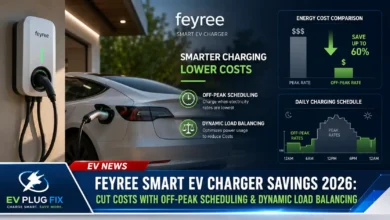
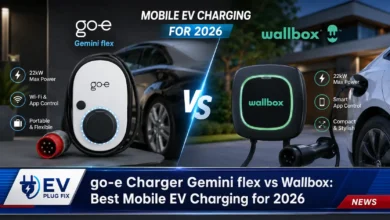
The go-e Charger app enables EV owners to schedule charging sessions with remarkable precision. Users can set specific start and end times, specify target charging levels, and even customize schedules for different days of the week. The charger automatically begins charging at the designated time, ensuring you always access the lowest electricity rates without the need for any manual intervention. To understand how this charger compares to other mobile options, check out this go-e Gemini flex Comparison for detailed insights.
Key features of the go-e Charger that make load shifting effortless include:
- Intuitive Scheduling Interface: Set your preferred charging windows with a few taps on the app
- Real-Time Energy Monitoring: Track exactly how much electricity you’re consuming and what it’s costing
- Smart Grid Integration: Compatible with home energy management systems for holistic optimization
- Remote Control: Start, stop, or adjust charging sessions from anywhere
- Multiple Vehicle Profiles: Store settings for different EVs in multi-vehicle households
⚡ Urgent Notice: Time-of-Use Rate Changes Coming in 2026
Multiple major utilities have announced expanded TOU pricing structures effective January 2026. These changes will significantly increase peak-rate differentials, making load shifting more financially advantageous than ever. Smart charging technology is essential for maximizing savings under these new rate structures.
Commercial Applications: Load Shifting Beyond Residential Charging
While residential EV charging represents the most visible application of load shifting, commercial and industrial operations stand to benefit even more substantially from these strategies. Factories, warehouses, and manufacturing facilities often consume enormous amounts of electricity, making energy management a critical business priority.
The primary commercial load shifting strategies include:
Manufacturing Process Rescheduling
Forward-thinking manufacturers are adjusting their production schedules to align with cheaper electricity rates. Energy-intensive processes like metal fabrication, chemical processing, and material melting can be shifted to nighttime operations, dramatically reducing operational costs.
Facility Energy Storage Systems
Commercial battery storage systems, while expensive, often provide more compelling returns for businesses than residential systems. Many commercial properties qualify for accelerated depreciation and tax incentives that significantly improve ROI calculations.
EV Fleet Management
Companies operating electric delivery fleets can charge vehicles overnight at depot facilities, ensuring vehicles are fully charged before morning operations begin. Smart charging systems can even prioritize which vehicles need charging based on route requirements and departure times.
Load Shifting Implementation: A Step-by-Step Guide for EV Owners
Implementing an effective load shifting strategy for your EV charging doesn’t require technical expertise or expensive equipment upgrades. Here’s how to get started with smart EV charging:
- Check Your Utility Rates: Review your electricity provider’s website to understand TOU pricing structures and identify off-peak windows
- Assess Your Charging Equipment: Determine if your current charger supports scheduling features. Many older chargers may need replacement
- Install a Smart Wallbox: Consider upgrading to a charger like the go-e Charger that offers comprehensive scheduling and monitoring capabilities
- Configure Your Schedule: Set charging windows that align with off-peak rates and your morning departure needs
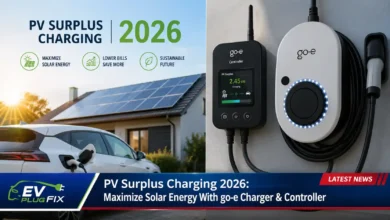
- Monitor and Adjust: Regularly review your energy consumption and costs to optimize your settings. Advanced users can explore go-e Controller Setup for PV charging integration to maximize renewable energy usage
- Consider Additional Strategies: Explore other energy-saving opportunities like pre-conditioning your vehicle while plugged in
Cost-Benefit Analysis: Is Load Shifting Worth It?
| Charging Strategy | Average Cost per kWh | Monthly Cost (1,000 miles) | Annual Cost | Annual Savings vs Peak |
|---|---|---|---|---|
| Peak Charging | $0.18 | $54 | $648 | — |
| Off-Peak Charging | $0.10 | $30 | $360 | $288 |
| Smart Charging with go-e | $0.09 | $27 | $324 | $324 |
Based on average US electricity rates and EPA estimated EV efficiency of 3.5 miles per kWh. Actual savings may vary by location and utility provider.
The financial case for load shifting is compelling. Even without considering environmental benefits, the annual savings from smart EV charging can cover a significant portion of a vehicle’s operating costs. Combined with potential tax incentives for energy-efficient home improvements, the return on investment for a smart wallbox often exceeds 30% annually.
Beyond the financial aspects, load shifting offers intangible benefits that many EV owners find equally valuable:
- Peace of Mind: Knowing your charging is optimized without constant manual intervention
- Environmental Contribution: Reducing your carbon footprint by using cleaner, renewable energy sources
- Grid Support: Contributing to a more stable, resilient electricity infrastructure
- Energy Independence: Maximizing the benefits of your EV without sacrificing convenience
Future Trends: Load Shifting Evolution in 2026 and Beyond
The load shifting landscape continues to evolve rapidly, with emerging technologies and policy changes shaping the future of EV charging:
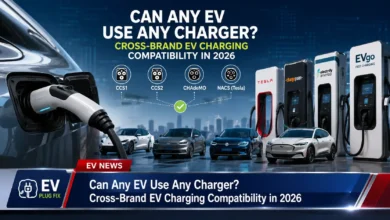
Vehicle-to-Grid (V2G) Integration: Next-generation chargers may allow EVs to send power back to the grid during peak demand, creating revenue streams for owners. Early pilot programs suggest V2G could generate $500-$1,000 annually per vehicle. Understanding Cross-Brand EV Charging Compatibility will be crucial as these bidirectional systems become more prevalent.
AI-Powered Optimization: Advanced algorithms will predict optimal charging windows based on weather forecasts, grid conditions, and individual usage patterns.
Renewable Integration: Smart charging systems will increasingly coordinate with home solar panels and wind turbines to maximize renewable energy usage.
Regulatory Support: Federal and state incentives are expanding to encourage load shifting adoption, with some jurisdictions offering rebates covering up to 70% of smart charger costs.
Future Outlook
Industry analysts project that by 2028, over 80% of new EV chargers sold will include smart load shifting capabilities. The technology is rapidly becoming a standard feature rather than a premium upgrade.
Common Load Shifting Mistakes to Avoid
While implementing load shifting strategies, EV owners should be aware of these common pitfalls:
- Insufficient Charging Time: Ensure your off-peak window provides adequate time to reach your desired charge level
- Ignoring Departure Times: Always factor in cold weather effects on charging speed and range. For EV owners in colder climates, reviewing Kia EV6 winter range data provides valuable insights on how temperature impacts charging needs
- Overlooking App Features: Take full advantage of scheduling, monitoring, and alert features available in modern chargers
- Assuming Universal Rates: TOU pricing varies significantly by provider and region; always verify your specific rates
- Neglecting Home Energy Usage: Consider other high-consumption appliances in your load shifting strategy
💡 Pro Tip: Maximize Your Load Shifting Benefits
Combine EV charging scheduling with other energy-intensive activities like dishwasher and laundry cycles. By shifting multiple loads to off-peak hours, households can save 40-60% on their total electricity bills.
The transition to electric vehicles represents one of the most significant shifts in personal transportation history, and load shifting technology ensures this transition benefits both consumers and our electrical infrastructure. With smart charging solutions like the go-e Charger, the outdated concept of midnight charging is finally obsolete.
By implementing automated load shifting strategies today, EV owners can significantly reduce their energy costs, minimize their environmental impact, and contribute to a more stable, sustainable energy future for everyone. The technology exists, the savings are real, and the time to adopt smart EV charging is now.