Why Smart EV Charging Is Essential for Lower Bills and Grid Reliability
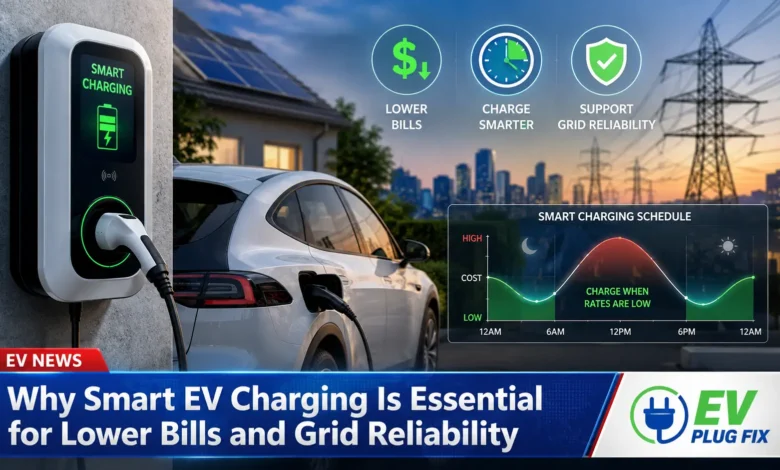
SSmart EV charging is quickly becoming the essential solution for electric vehicle owners who want to lower their electricity bills and contribute to a more reliable power grid. The days of plugging in and hoping for the best are over, as uncontrolled charging can lead to surprisingly high costs, grid strain, and unreliable service. By intelligently shifting charging sessions to off-peak times and balancing electrical loads, this technology provides a seamless way to save money, protect the grid, and ensure your car is always ready to go, all without requiring major changes to your daily routine.
- Core Answer: Smart EV charging automatically optimizes when and how your car charges, cutting costs by 20% and preventing grid overloads through off-peak scheduling and dynamic load balancing.
- Key Highlight: It’s a myth that smart charging is complicated or slows you down. It simplifies your life, saves you money, and is easy to set up with user-friendly apps.
- Practical Advice: Start by assessing your driving habits and current electricity plan. Look for an OCPP-compliant smart charger with load balancing and app control to begin saving immediately.
The Hidden Costs of Plug-and-Forget EV Charging
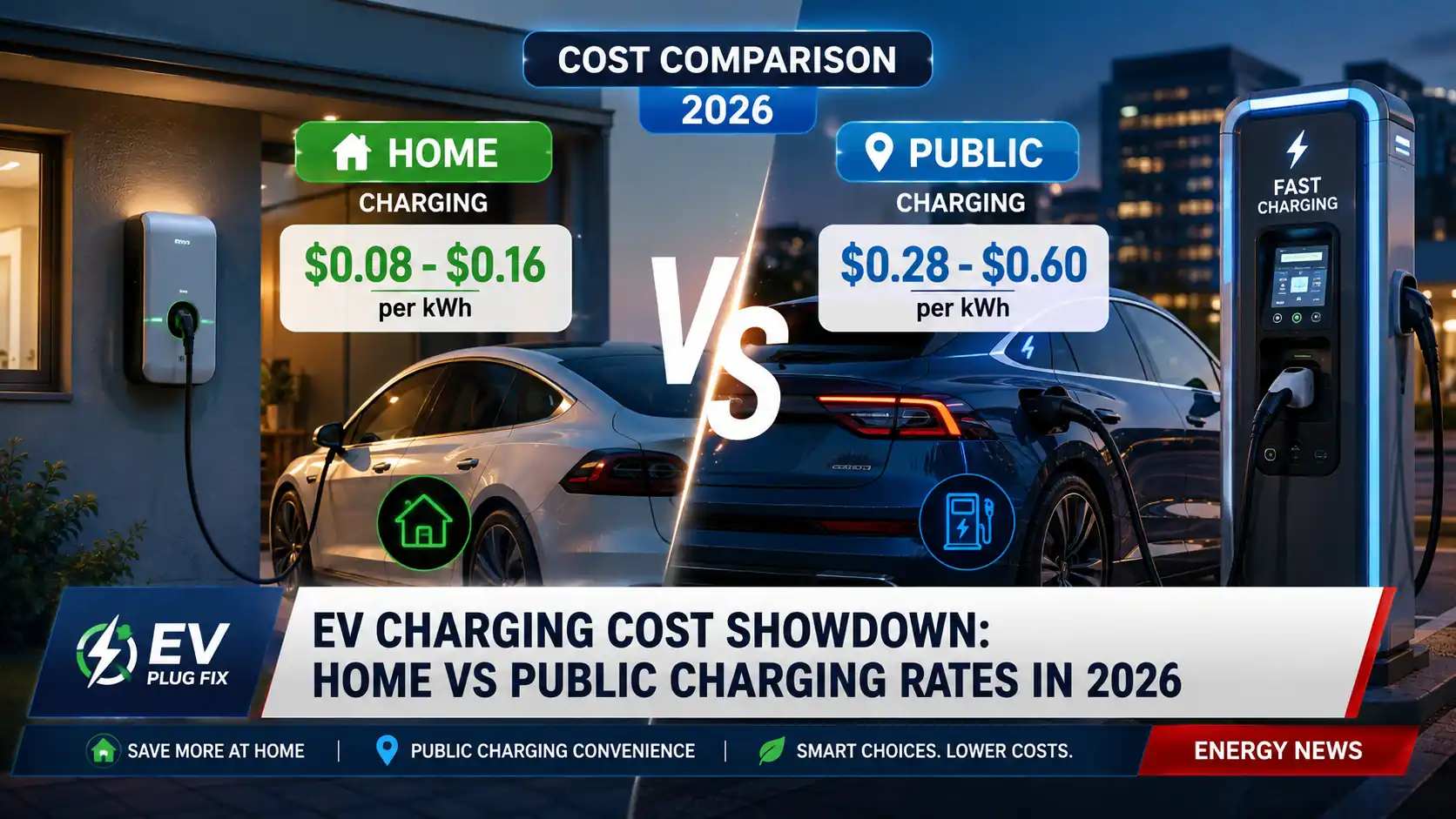
The most immediate problem with basic, uncontrolled EV charging is the financial hit. When you simply plug in and let the car draw power at its maximum rate, you are often charging during peak electricity demand periods in the early evening. This is when electricity is most expensive due to high overall consumption. Leveraging smart EV charging technology directly addresses this by shifting consumption to cheaper, off-peak hours. Uncontrolled charging also creates technical headaches. In apartment buildings or workplaces with shared electrical capacity, a single charger works fine, but several charging at once can cause voltage drops, tripped breakers, or even force costly infrastructure upgrades. In my work with various property managers, I’ve seen firsthand how a lack of smart controls can turn a desirable amenity into a source of frustration and expense.
How Smart Charging Works to Protect the Grid
Smart charging offers a sophisticated, two-way communication system that manages the flow of electricity to your EV. Unlike a basic “dumb” charger, a smart charger connects to the internet and uses software to make intelligent decisions about when and at what rate your car charges This is achieved through several key strategies. The primary method is time-of-use (TOU) optimization. You simply set your desired departure time in an app, and the system automatically calculates the best time to start charging to take advantage of the cheapest off-peak electricity rates, ensuring your car is ready when you need it without any extra thought. This off-peak scheduling is one of the most effective ways to cut charging costs. The second critical function is dynamic load balancing. This is a feature that prevents your home’s electrical system from being overloaded. The smart charger monitors your home’s total power usage. If you turn on an oven, air conditioner, or dryer while your car is charging, the system will temporarily reduce the power going to the EV to avoid tripping the main breaker. This load balancing is incredibly valuable as it allows homes and buildings to safely install EV chargers without often needing expensive electrical panel upgrades Research from national laboratories highlights that this type of grid coordination helps utilities plan for future loads and ensures a more resilient energy system
Users gain the most from smart charging with cost savings of 20 to 40 percent adding up fast. Convenience features like remote start and monitoring save time.
Real-World Benefits for EV Owners
The most compelling reason to adopt smart charging is the direct benefit to your wallet and daily life. The cost savings are significant, with smart charging potentially reducing your charging costs by 20% to 40% By automatically charging during cheaper, off-peak hours, you can slash your annual fueling costs, making EV ownership even more economical. In some regions with special EV rates, owners are even able to charge for free during specific “solar sponge” or off-peak periodsBeyond savings, smart charging offers unparalleled convenience. You can monitor your charging session in real-time from your smartphone, receive notifications if the session is interrupted, and easily share access with family members. For those with solar panels, a smart charger can prioritize using excess solar energy to charge the car, maximizing your renewable energy usage and further reducing your reliance on the grid This level of control and visibility was once a luxury but is quickly becoming the standard for a modern EV ownership experience.
Debunking the Myths Around Smart Charging
Despite its clear advantages, there are several persistent myths that hold people back from embracing smart EV charging technology.
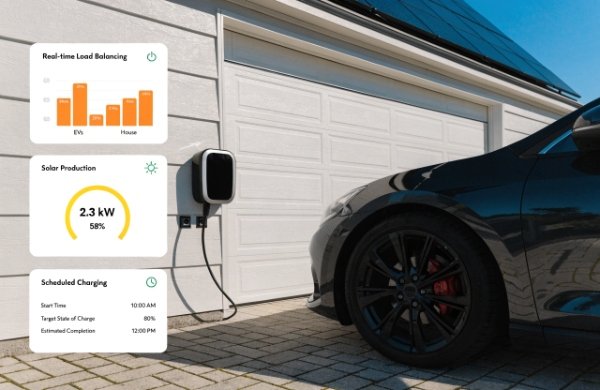
Myth: It’s Too Complex. Many people think smart charging requires a tech degree to operate. The reality is that modern apps make setup and control incredibly simple. You set your preferred departure time once, and the system handles the rest. Most users check the app once a week at most.Myth: It Slows Down Charging. A common concern is that by delaying the start or throttling the power, you’ll be left with an uncharged car. Smart charging prioritizes your needs. It ensures your car reaches your set charge level by your departure time; it simply does so during the most cost-effective window. If you have an unexpected need to leave early, you can override the schedule with a single tap.Myth: It Only Helps the Grid. While smart charging is a powerful tool for grid stability, the primary beneficiaries are the users. The cost savings, convenience features, and ability to integrate with home solar systems are direct, tangible wins for the EV driver Government bodies like the Energy Efficiency and Conservation Authority (EECA) recommend smart chargers precisely because they benefit both the consumer and the national grid
Your Next Steps to Smarter Charging
Upgrading to a smart EV charging setup is a straightforward process that begins with understanding your needs. Start by evaluating your daily driving mileage, your typical plug-in times, and your current electricity rate plan to see if you have time-of-use pricing. Check your electrical panel to understand its capacity, as this will help determine if you’ll benefit most from a charger with robust load-balancing featuresWhen choosing a new charger, look for a few key features. OCPP compliant charger options are crucial, as this open standard ensures your charger can communicate with different software platforms and will remain future-proof. App control is essential for scheduling, monitoring, and accessing all the smart features. Finally, ensure the charger offers built-in load balancing to protect your home’s electrical system and maximize safety As demonstrated by various award finalists in the field, the technology is advancing rapidly, with solutions becoming more integrated and capable of turning EVs into active participants in the energy ecosystem
Essential Questions & Expert Answers
Is smart charging worth it for a single-car household?
Can a smart charger work with my existing solar panels?
What is the difference between smart charging and vehicle-to-grid (V2G)?
Will I need to upgrade my home's electrical panel for a smart charger?
How much money can I save with a smart charger?
Conclusion
The evidence is clear: smart EV charging is not just a futuristic “nice-to-have” but an essential tool for anyone looking to maximize the value and reliability of their electric vehicle. By intelligently balancing your need for a charged car with the demands of the electrical grid, this technology reduces your electricity bills, prevents household overloads, and supports a more resilient energy future. From basic time-of-use scheduling to advanced dynamic load balancing, the benefits are immediate and substantial. As more drivers make the switch to electric, the gap between those who charge smartly and those who don’t will only widen. The future of EV ownership is smart, and the time to adopt it is now.