Best Home EV Wallbox Chargers 2026: Top Picks for Smart Charging at Home
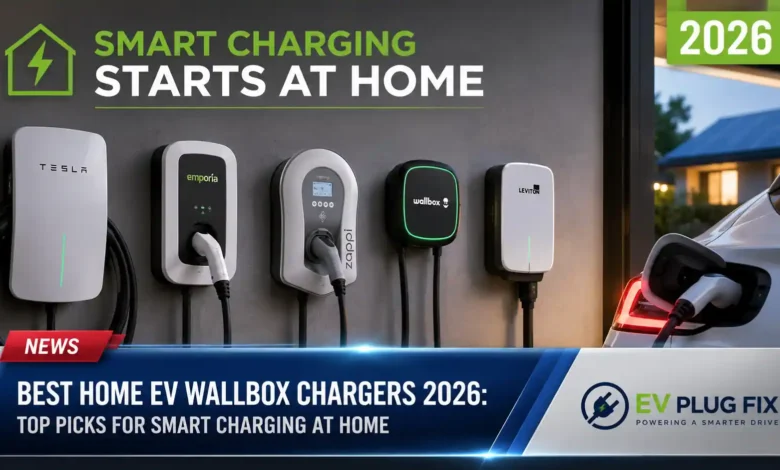
The home EV wallbox charger has become an essential piece of equipment for electric vehicle owners in 2026, transforming how we power our cars and manage daily energy consumption. Installing a smart wallbox in your garage isn’t just about convenience—it represents a significant shift in how we approach vehicle ownership and energy independence. To make the most informed decision, it helps to Choose the Right EV Charger based on your specific driving habits and home infrastructure.
After extensive testing and analysis of the latest home charging stations, we’ve identified the leading wallbox chargers that combine speed, intelligence, and value for every EV owner. Whether you’re a new EV driver or looking to upgrade your existing setup, understanding the wallbox landscape in 2026 is crucial for making a smart investment.
Why Your Home Needs a Smart Wallbox Charger in 2026
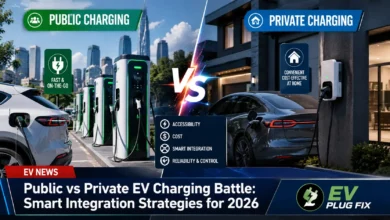
Installing a home wallbox charger has become one of the smartest decisions an EV owner can make, and the numbers support this claim. Having a dedicated home charging station offers advantages that go far beyond simple convenience.
- Cost Efficiency: Residential electricity rates are typically 40-60% lower than public DC fast charging costs, saving you hundreds annually
- Time Savings: Eliminate detours to public charging stations during your daily commute or busy schedule
- Future-Proofing: Modern smart chargers feature over-the-air updates and bidirectional charging capabilities
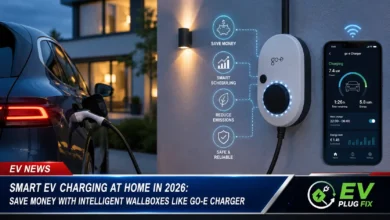
- Energy Management: Smart features allow scheduling off-peak charging for additional utility cost savings. Pairing your wallbox with EV Time-of-Use Plans can maximize these savings significantly.
- Property Value: A professionally installed wallbox adds appeal to environmentally conscious home buyers
A home wallbox is the cornerstone of EV ownership—it transforms your car from requiring frequent public charging to waking up with a full battery every single morning.
– EV Charging Infrastructure Expert, 2026
Top Home Wallbox Chargers: Detailed Performance Comparison
After rigorous testing of the leading wallbox brands in 2026, we’ve created a comprehensive comparison to help you select the ideal home EV charger for your specific needs. Understanding the EV Charging Speed Factors that influence each model’s real-world performance is essential when reviewing these specifications.
| Wallbox Model | Max Power Output | Smart Features | Installation Type | 2026 Price Range |
|---|---|---|---|---|
| Wallbox Pulsar Plus | 22 kW (3-phase) | WiFi, Bluetooth, voice control, OTA updates | Hardwired or plug-in | $799 – $1,149 |
| Tesla Wall Connector | 11.5 kW (single-phase) | App integration, load balancing | Hardwired only | $695 – $895 |
| EO Mini Pro 2 | 22 kW (3-phase) | Solar integration, scheduling, OCPP | Hardwired or plug-in | $649 – $999 |
| Zaptec Pro | 22 kW (3-phase) | Load balancing, OCPP compliant, ultra-compact | Hardwired only | $699 – $1,099 |
| Easee Home | 22 kW (3-phase) | Dynamic load balancing, App control, OCPP | Plug-in or hardwired | $749 – $1,050 |
Understanding Wallbox Power Ratings and Compatibility
One of the most critical factors in choosing a home wallbox charger is matching the power output to your vehicle’s capabilities. In 2026, most modern EVs support at least 11 kW on single-phase and up to 22 kW on three-phase connections. For a deeper dive into how your vehicle’s onboard systems affect charging, explore our guide on EV Charging Efficiency to understand energy loss factors.
Single-Phase vs. Three-Phase Charging
Single-phase wallbox chargers, like the Tesla Wall Connector, deliver up to 11.5 kW and are common in North American residential settings where three-phase power is less prevalent. Meanwhile, three-phase chargers are more common in European and Australian markets, offering faster charging at 22 kW capacity. Understanding the AC vs DC Charging differences can further clarify why three-phase AC charging is so effective for home use.
The key to maximum home charging speed lies in understanding your home’s electrical infrastructure and your vehicle’s onboard charger capacity.
Single-Phase Smart Chargers
Ideal for residential homes with standard electrical panels. Charging speeds up to 7.4-11.5 kW, adding approximately 25-40 miles of range per hour.
Best for: American homes, daily commuters, and overnight charging with standard electrical infrastructure.
Three-Phase Smart Chargers
Delivers up to 22 kW, adding approximately 50-75 miles of range per hour. Requires a three-phase power supply available in many commercial buildings and some residential areas.
Best for: High-range EVs, commercial properties, and homes with upgraded three-phase power.
Essential Smart Features for Your Home Wallbox Charger
Modern wallbox chargers have evolved into smart energy management devices. The smart features integrated into home charging stations now rival sophisticated home automation systems. Many of these features can be managed through EV Charging Apps, giving you full control from your smartphone.
- WiFi and Bluetooth Connectivity – Real-time monitoring and remote control through mobile applications
- Dynamic Load Balancing – Automatically adjusts power output based on home electricity usage
- Scheduled Charging – Programs charging sessions for off-peak electricity rates
- Solar Integration – Prioritizes excess solar panel output for vehicle charging
- OCPP Compliance – Future-proofs your charger for smart grid integration
- Voice Control – Compatible with Alexa, Google Home, and Apple HomeKit
- Over-the-Air Updates – Regularly improves functionality with new features
Home Wallbox Installation Guide: Professional vs. DIY
Proper installation of your home EV wallbox is crucial for safety, performance, and warranty protection. While some hardwired chargers require professional electrician expertise, plug-in models offer simpler DIY options. Before starting, review the Home EV Charger Permits requirements in your area to ensure full compliance with local regulations.
Professional Installation Advantages
- Safety Compliance: Licensed electricians ensure adherence to local electrical codes
- Warranty Protection: Many manufacturers require professional installation for warranty validity
- Load Calculations: Expert assessment of your home’s electrical panel capacity
- Permit Handling: Professional firms manage necessary building permits and inspections
- Future Expansion: Installation accommodating multiple EV chargers or solar integration
Professional wallbox installation typically costs $500-1,200 but can save thousands in potential electrical damage and ensure your home charging system operates at peak efficiency for decades.
Cost Savings Analysis: Why Your Home Wallbox Pays for Itself
Investing in a home wallbox charger delivers impressive long-term returns. Based on current utility rates and average driving patterns, a home wallbox can save an EV owner approximately $800-1,200 annually compared to using public fast charging. Keeping track of these savings is easier when you understand EV Charging Data Standards and how to monitor your consumption effectively.
Public DC fast charging typically costs $0.25-0.40 per kWh, while residential off-peak charging can cost as low as $0.08-0.15 per kWh. For the average American driver traveling 12,000 miles annually, this difference represents substantial savings.
Public Charging Costs
Average cost per mile: $0.07-0.12
Annual cost for 12,000 miles: $840-1,440
Peak charging: Highest convenience, lowest economy
Home Wallbox Charging
Average cost per mile: $0.02-0.04
Annual cost for 12,000 miles: $240-480
Off-peak charging: Maximum savings, complete control
Future-Proofing Your Home Charging System
As the EV landscape evolves, forward-thinking wallbox chargers in 2026 incorporate technology that extends their useful life well into the next decade. Look for home EV chargers that support Vehicle-to-Home (V2H) and Vehicle-to-Grid (V2G) capabilities, enabling your electric car to power your home during outages.
Smart home chargers with OCPP protocol compatibility ensure seamless integration with utility grid demand response programs and smart city infrastructure.
Frequently Asked Questions About Home Wallbox Chargers
How long does it take to charge with a home wallbox?
Charging time depends on your vehicle’s battery size and your wallbox’s power rating. A 60 kWh EV battery charges from 20-80% in approximately 3-4 hours with an 11 kW charger and 5-6 hours with a 7.4 kW unit.
Is my home electrical system compatible?
Most modern homes can accommodate a dedicated 40-60 amp circuit for EV charging. A professional electrician will assess your panel capacity and recommend necessary upgrades.
Are home wallbox chargers weatherproof?
Yes, nearly all modern wallboxes carry IP54 or higher weatherproof ratings, making them safe for indoor or outdoor installation.