Plug and Charge EV Technology 2026: Why Automakers Are Ditching Apps and Cards
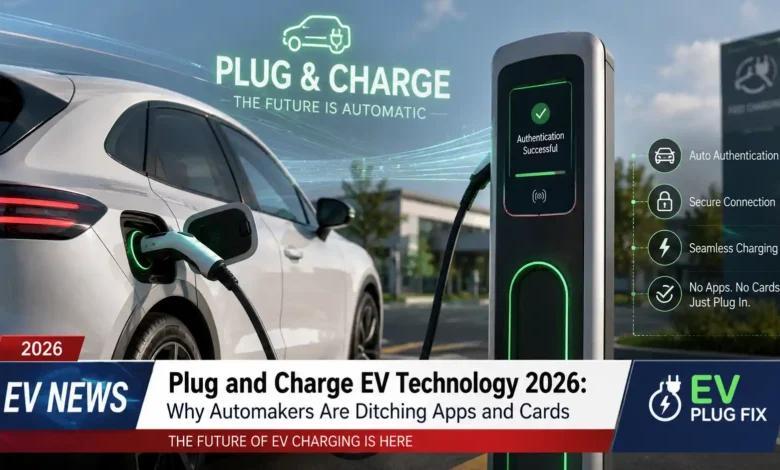
Plug and Charge EV technology is transforming the electric vehicle ownership experience in 2026, eliminating the frustrating need for multiple apps, RFID cards, and QR codes at public charging stations. This seamless authentication and billing system, powered by the ISO 15118 standard, lets drivers simply plug in their EV and walk away while the charger handles everything automatically in the background.
For years, one of the biggest pain points for EV drivers has been the fragmented public charging experience—managing dozens of network accounts, dealing with faulty card readers, or fumbling with smartphones in the rain. Plug and Charge (often abbreviated as PnC) solves these issues by creating a direct digital handshake between your vehicle and the charging station. When you connect the cable, your EV presents a secure digital certificate that verifies your identity and billing information, authorizing the session within seconds.
In this article, we’ll explore exactly how Plug and Charge works, which automakers and networks support it in 2026, the regulatory landscape driving adoption, and what it means for the future of EV infrastructure.
How Does Plug and Charge EV Technology Actually Work?
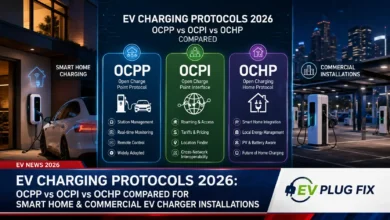
At its core, Plug and Charge relies on the ISO 15118 international standard, which defines secure communication protocols between electric vehicles and charging stations. This standard works alongside protocols like OCPP Charging Protocol to ensure seamless backend communication between chargers and network operators. Here’s a step-by-step breakdown of what happens when you plug in your compatible EV:
- Physical Connection: You plug your EV into a Plug and Charge-enabled charging station using a CCS or NACS connector.
- Secure Handshake: The vehicle and charger establish a secure communication session using Power Line Communication (PLC) over the charging cable.
- Certificate Exchange: Your EV presents a digital contract certificate stored in its onboard system. The charger validates this certificate through a Public Key Infrastructure (PKI) managed by trusted authorities.
- Automatic Authorization: The charging station’s backend verifies your contract certificate, confirms your tariff plan, and authorizes the session—all within seconds.
- Charging & Billing: Energy transfer begins automatically, and your linked billing account (personal, fleet, or corporate) is charged after the session ends.
| Feature | Traditional Charging | Plug and Charge |
|---|---|---|
| Authentication Method | RFID card, app, QR code, or credit card | Automatic digital certificate handshake |
| Driver Action Required | Multiple steps (swipe, scan, login) | Just plug in |
| Time to Start | 1-3 minutes average | Under 10 seconds |
| Account Management | Multiple network accounts required | Single linked account through automaker |
| Security Protocol | Varies by network | Standardized ISO 15118 with encryption |
Which 2026 EV Models Support Plug and Charge?
The list of automakers embracing Plug and Charge technology is growing rapidly in 2026. Here are the major brands offering this seamless charging experience:
Volvo EX90 and EX60
Volvo has started rolling out Plug and Charge capability for the EX90 and EX60 electric SUVs in the U.S., letting drivers begin charging sessions automatically at over 35,000 fast chargers, including Tesla Supercharger and Ionna networks. Owners of 2025 model year EX90s will need a free Nvidia Orin computer upgrade for the feature to work, while 2026 models come ready from the factory. The EX60 will receive the feature when U.S. deliveries begin later in 2026.
Kia EV6
The 2026 Kia EV6 arrives with Plug and Charge functionality as standard across all trims, with pricing reduced by up to $5,900 compared to the previous model year. The system works through Kia Charge Pass, handling authentication and billing automatically at compatible stations.
Lexus RZ
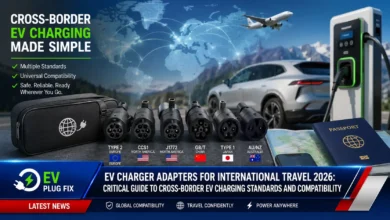
The 2026 Lexus RZ comes with a standard NACS (North American Charging Standard) port, granting access to Tesla’s Supercharger network with Plug and Charge capability. Existing 2023-2025 RZ owners can request a free NACS adapter from their dealership. For those needing to charge older European vehicles, International EV Charger Adapters provide cross-compatibility solutions.
Plug and Charge vs. Other EV Charging Authentication Methods
While Plug and Charge represents the most seamless option, it’s not the only automatic authentication method available. Here’s how it compares to alternatives:
- AutoCharge: An alternative technology that also allows automatic charging by plugging in, but uses MAC addresses instead of certificates. While simpler, it offers less robust security and standardization than ISO 15118.
- RFID Cards: Traditional physical cards provided by charging networks. They work across networks but require carrying multiple cards and tapping before each session.
- Mobile Apps: The most common current method—requiring you to open an app, select the charger, and authorize payment. This process can take 1-3 minutes and often fails with poor cellular coverage.
- QR Code Scanning: Requires using your smartphone camera to scan a code on the charger, then navigating a payment portal. Particularly frustrating in low-light conditions or bad weather.
Why Plug and Charge Matters for EV Adoption
Removing authentication friction from public charging might be more important for EV adoption confidence than any range increase per charge. Here’s why this technology is crucial for the industry:
- Eliminates “App Fatigue”: EV drivers no longer need to download and manage accounts for every charging network they might encounter.
- Reduces Failed Sessions: Manual authentication errors—dead RFID cards, app glitches, poor QR code visibility—are a leading cause of failed charging attempts.
- Simplifies Fleet Management: Fleet operators can automatically allocate charging costs to specific vehicles without manual tracking. This aligns with Condo EV Charging Billing solutions that enable accurate energy cost allocation in multi-tenant properties.
- Improves Security: Certificate-based authentication with encryption provides stronger security than manual credentials. For comprehensive protection, EV Charger Cybersecurity Best Practices are essential for safeguarding sensitive driver data.
“Every Volvo model—regardless of platform and powertrain—should offer a similar user experience,” says Erik Severinson, Volvo Cars’ Chief Product and Strategy Officer, emphasizing the brand’s commitment to seamless technology integration.
The Regulatory Push Behind Plug and Charge
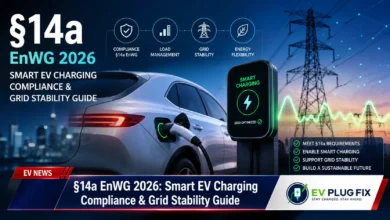
Government regulations are accelerating Plug and Charge adoption worldwide. In the European Union, the Alternative Fuels Infrastructure Regulation (AFIR) mandated ISO 15118-2 compliance for all newly installed public AC charging points as of January 8, 2026. By January 2027, the requirement will extend to ISO 15118-20 for bidirectional capabilities. Compliance frameworks like §14a EnWG Compliance in Germany are already shaping how smart EV chargers interact with the grid.
In the United States, the California Energy Commission recommends widespread deployment of ISO 15118-ready chargers, noting that federal NEVI program funding requires Plug and Charge capability for new DC fast chargers.
Current Limitations and Considerations
Despite its clear benefits, Plug and Charge technology faces some challenges in 2026:
- Vehicle Compatibility: Only EVs manufactured after approximately 2022 with proper hardware support can enable Plug and Charge. Some older vehicles cannot receive this capability through software updates alone due to hardware requirements.
- Network Coverage: While major networks are adopting the technology, coverage remains uneven. Volvo owners currently have access to over 35,000 compatible stations in the U.S., but this is still a subset of all public chargers.
- Certificate Management: Misconfigured digital certificates can cause “plug-in but not charging” failures, requiring additional support from automakers and network operators.
- Roaming Complexities: While Plug and Charge reduces friction, cross-network authentication can still vary depending on integration maturity between providers.
As the technology matures and regulatory mandates take effect, these limitations are expected to diminish. The trend is clear: Plug and Charge is becoming the new standard for EV public charging convenience in 2026 and beyond.