
EV Charging Grid Stability Austria: Smart Solutions for Electric Cars
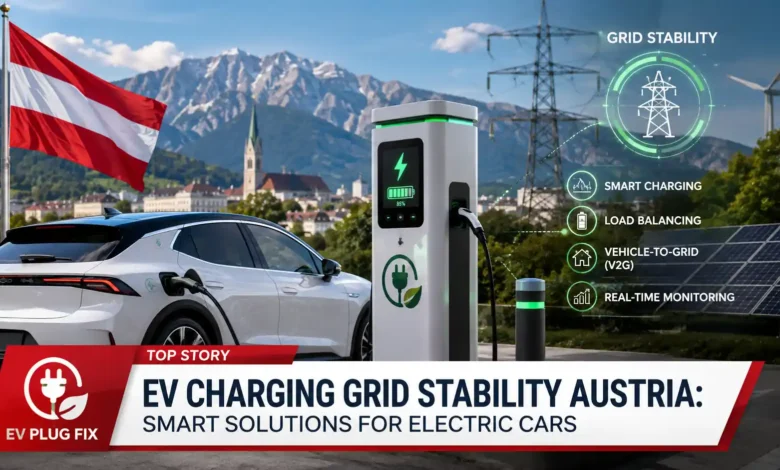
As an EV owner, the idea of integrating your car with a smart home ecosystem is incredibly appealing. The vision of your garage acting as a seamless node in your home’s energy network is no longer science fiction, but a rapidly approaching reality. However, the path to this future is paved with significant technical and infrastructural challenges that many homeowners may not fully anticipate.
The first major hurdle is the sheer power demand. Electric vehicles require a substantial amount of electricity to charge, especially if you are looking to power a large battery pack overnight. This demand puts a significant strain on a typical household’s electrical service, which is often rated between 100 and 200 amps. When you consider that your home also needs to run air conditioning, heating, a water heater, kitchen appliances, and all your electronics, the available capacity for an EV charger can quickly become a bottleneck.
This limitation is the primary reason why specialized hardware like load management systems and sub-panels are becoming essential for modern EV owners. These systems act as intelligent traffic controllers for your home’s electricity, dynamically shifting power between your charger and other high-demand appliances to prevent overloading your main breaker. This technology is a crucial stepping stone, but it also represents a foundational level of complexity that is entirely new for most homeowners.
Beyond the hardware, the software ecosystem presents another layer of complexity. For a truly smart home integration, your EV charger needs to communicate with your vehicle, your home’s energy management system, and potentially even the local utility grid. This requires interoperability standards that are still in their infancy. While some manufacturers are leading the way with proprietary ecosystems, a unified, plug-and-play standard for the entire industry remains a goal for the future. The benefit of this integration is substantial, allowing you to schedule charging during off-peak hours when electricity is cheapest, or even use your vehicle’s battery to power your home during an outage, a concept known as vehicle-to-home (V2H) technology.
Speaking of future standards, the decisions you make today will have long-term implications. As the industry evolves towards smarter, more interconnected energy systems, investing in a charger that is software-updatable and supports advanced communication protocols is paramount. Many homeowners are already looking at robust solutions for their electrical systems, and resources like our guide on dual EV home charging stations are becoming increasingly relevant. This foresight ensures that your setup remains compatible with future vehicles and smart home platforms, rather than becoming obsolete in just a few years.
Furthermore, the future of smart EV charging is inextricably linked to the broader development of smart grids. Utilities are beginning to explore programs that allow them to temporarily pause or reduce charging during peak demand events in exchange for credits or lower rates. This grid-interactive charging requires a level of intelligence and connectivity that goes beyond the simple ‘plug and charge’ model. Understanding how to navigate these options involves paying close attention to the user interface and data provided by your charger. Many of the latest EV models, like the 2026 Hyundai IONIQ 6 with its advanced digital cockpit, are designed to interface seamlessly with these types of smart charging networks, giving drivers unprecedented control over their energy consumption.
Ultimately, the future of smart home EV charging is a thrilling prospect, but it requires a thoughtful, forward-looking approach. It’s not just about buying a charger; it’s about designing an electrical and data infrastructure that can adapt to the rapid changes in automotive and energy technology. By understanding the power demands, the software requirements, and the emerging grid-interactive capabilities, you can build a system that is not only functional today but is also ready for the intelligent, electrified world of tomorrow.