Home EV Charger Permit Requirements 2026: Costs, Rules & Compliance Steps
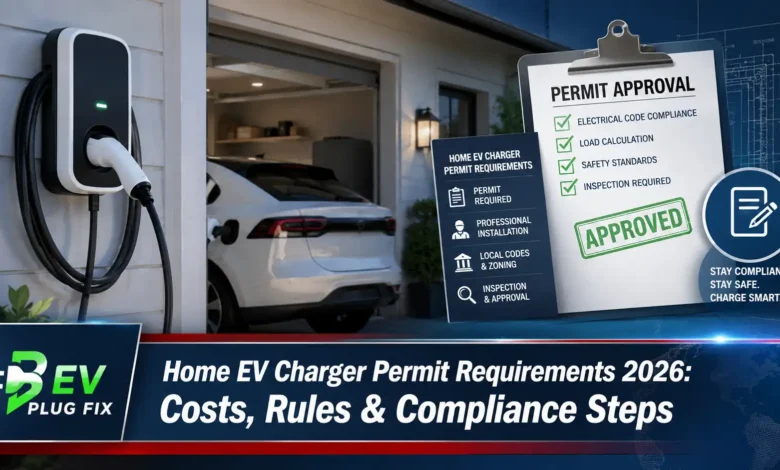
Home EV charger permit requirements in 2026 remain one of the most overlooked aspects of residential electric vehicle ownership, yet securing proper approval is essential for safety, insurance protection, and legal compliance. Many homeowners dive into installation without understanding local regulations, only to face unexpected fines, costly rework, or even forced removal of their new charging equipment. As EV adoption accelerates across the United States, municipalities are tightening enforcement of electrical codes, making permit compliance more critical than ever before.
In most jurisdictions, installing a Level 2 home EV charger requires a formal electrical permit before work begins. These permits typically cost between $50 and $500, depending on your location and project complexity. The investment is modest compared to the potential consequences of unpermitted work, which can include thousands in penalties, denied insurance claims, and significant safety hazards. Understanding the permitting landscape in 2026 empowers homeowners to make informed decisions and protects both their property and their family.
Why Your Home EV Charger Installation Needs a Permit in 2026
The permit process exists primarily to protect homeowners. When you apply for an electrical permit, your local building department reviews your installation plans against the National Electrical Code and any local amendments. This ensures your charger is properly grounded, the correct circuit breakers are used, and all wiring meets safety standards. Without this oversight, hidden issues can create fire risks or electrical shock hazards that may not become apparent until tragedy strikes.
Skipping the permit often leads to fines between $100 and $2,000, forced removal of the charger, insurance claim denials, safety hazards, and expensive rework. These consequences turn a straightforward project into a financial and legal headache.
I’ve personally witnessed homeowners learn this lesson the hard way during my time managing EV charger operations at XIAMEN PARWATT NEW ENERGY TECHNOLOGY. One client in California installed a Level 2 charger without permits, only to face a $1,200 fine and mandatory removal after a neighbor complained to code enforcement. The total cost exceeded $3,000, and the homeowner had to start the entire process over again with a licensed electrician.
Insurance companies frequently deny claims for damage caused by unpermitted electrical work. If an electrical fault from your DIY installation causes a fire, your policy may not cover the damages. You could be left paying for repairs to your home and potentially your neighbor’s property out of pocket. Many homeowners assume their insurance will protect them, but policy exclusions for non-compliant work are common and strictly enforced.
Local authorities can issue stop-work orders or require complete removal of unpermitted installations. Some jurisdictions even impose daily penalties until compliance is achieved. This not only wastes your initial investment but also delays your ability to charge your vehicle at home.
Real Consequences of Skipping Home EV Charger Permits
| Risk Type | Potential Cost Range | Real-World Example |
|---|---|---|
| Government Fines | $100 – $2,000+ | Daily penalties until compliance |
| Forced Removal & Rework | $500 – $3,000 | Complete project reinstallation |
| Insurance Claim Denial | Thousands in uncovered repairs | Fire damage excluded from policy |
| Safety Hazards | Medical costs & property damage | Fire or electrocution risks |
| Home Resale Complications | Reduced property value | Inspectors flag unpermitted work |
Beyond financial penalties, permit compliance ensures your installation meets modern safety standards. The final inspection confirms proper wiring, appropriate breaker sizing, and correct grounding. This step catches problems before you rely on your charger daily, protecting your family and your investment.
Proper permitting also protects manufacturer warranties. Many EV charger manufacturers require professional installation and code compliance to validate warranty coverage. Skipping permits could void your warranty, leaving you responsible for repair or replacement costs if your charger fails.
“Proper permitting is not just about following rules — it’s about protecting your home, your family, and your investment in electric mobility. The peace of mind from a compliant installation far outweighs the minor hassle of paperwork.”
Debunking Common Misconceptions About EV Charger Permits
Many homeowners believe they can install a charger without involving local authorities, but these assumptions often lead to compliance failures. Let’s clear up the most frequent misunderstandings about EV charger permitting.
Many people assume no permit is needed for home installations, that the charger plugs in like any appliance, or that rules remain consistent everywhere. These ideas ignore local differences and create unnecessary risks.
One of the most dangerous misconceptions is thinking “it’s my house, so I can do what I want.” In reality, electrical work affects the broader grid and must meet safety standards. Most jurisdictions require permits regardless of whether you own the property. This is about public safety, not personal freedom.
Another widespread belief suggests Level 2 chargers plug in like common appliances. While some Portable EV Charger Limits work with standard outlets, Level 2 charging units typically require hardwiring or dedicated 240V circuits. This work falls under electrical codes and typically requires permits. Even plug-in Level 2 chargers often require special outlets that must be installed to code.
People also assume permitting rules are uniform nationwide. In reality, city and county requirements differ dramatically. What works in Austin, Texas, might fail in San Francisco. Always research your specific locality rather than relying on general advice from online forums or neighbors.
EV Charger Permit Misconceptions vs. Reality
| Common Misconception | Reality | Potential Consequence |
|---|---|---|
| “No permit needed for my home” | Most areas require permits | Fines and forced removal |
| “It’s just a simple plug-in” | Dedicated circuits required | Code violations and safety issues |
| “Rules are the same everywhere” | Varies significantly by location | Approval delays and rejections |
| “DIY installation is fine” | Licensed pros often required | Inspection failures and hazards |
DIY installations without oversight create significant risks. Many jurisdictions require licensed electricians for permitted electrical work. Even if your local rules don’t strictly require a professional, hiring an experienced electrician ensures code compliance and reduces inspection failures. Professional electricians know local inspector preferences and can navigate the permitting process efficiently.
Local variations also include different forms, review times, and inspection requirements. Always verify current requirements through your city’s building department rather than relying on information that may be outdated. Some municipalities update their EV charging codes annually, so 2026 rules may differ from previous years.
Understanding these realities helps you approach your installation with accurate expectations. You’ll avoid surprises during the process and ensure a smooth experience from application to final approval.
2026 Regional Permit Requirements for Home EV Charger Installations
While the National Electrical Code provides baseline standards, specific requirements vary significantly across regions. Understanding your local rules is crucial for a successful installation.
Yes, the vast majority of U.S. areas require permits for Level 2 home EV charger installations in 2026. Requirements focus on electrical safety with variations in fees, processes, and professional mandates by state and locality.
California maintains some of the strictest standards in the nation. Local building departments often require detailed electrical plans showing load calculations and panel capacity. Many cities mandate licensed electricians for all permitted work and conduct rigorous inspections. However, California also offers substantial incentives for permitted installations, including utility rebates that can offset permit costs.
Texas presents a more varied landscape. Major metropolitan areas like Dallas, Houston, and Austin enforce permits strictly, while some rural counties have more flexible requirements. Always check with your specific city or county building department, as Texas does not have uniform state-level EV charging regulations.
Northeastern states including New York, Massachusetts, and Connecticut emphasize rigorous inspections, particularly regarding cold-weather considerations. Wiring and mounting requirements may include additional protection against freezing conditions. Permit fees in this region typically range from $75 to $400, with faster processing available in some jurisdictions through digital applications.
Florida’s coastal areas incorporate hurricane and flood protections into permit requirements. EV charger installations in storm-prone zones often need additional weatherproofing, elevated mounting, and specific grounding methods. The state’s building codes reflect these environmental challenges, and permits ensure installations survive severe weather events.
Midwestern states generally require permits in most cities, with fees ranging from $50 to $350. However, requirements vary widely between urban and rural areas. Some smaller municipalities may have less formal processes but still require some form of approval for electrical modifications.
Regional Home EV Charger Permit Overview 2026
| Region | Permit Usually Required | Typical Fee Range | Special Considerations |
|---|---|---|---|
| California | Yes | $100 – $500 | Licensed electrician often required; utility incentives available |
| Texas | Varies by city | $50 – $300 | Check municipal ordinances; rural exemptions may apply |
| Northeast | Yes | $75 – $400 | Cold weather protections; rigorous inspections |
| Florida | Yes | $100 – $450 | Hurricane and flood protection requirements |
| Midwest | Yes in most cities | $50 – $350 | Wide variation by municipality |
Federal guidelines support EV adoption but defer to local codes for permitting requirements. The National Electrical Code provides the baseline, but states and municipalities add their own amendments. This means you cannot rely on federal guidance alone when determining your permit requirements.
Inspections follow installation in nearly all cases. Your electrician or a building inspector will verify connections, grounding, and overall safety before approving your installation. Some jurisdictions require both a rough-in inspection before drywall installation and a final inspection after completion. Planning for both inspections ensures no delays in your approval process.
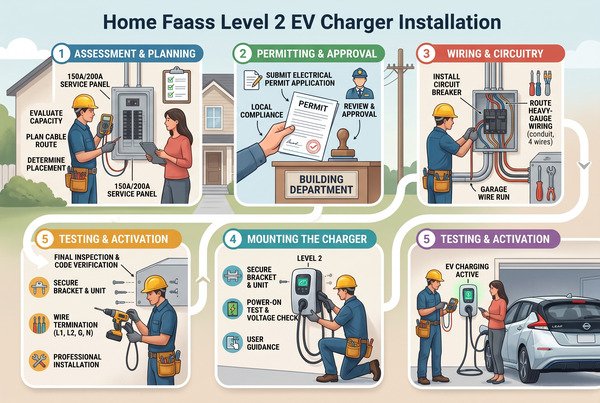
Understanding the permit process helps you avoid costly mistakes and ensures your home EV charging setup is safe and legal
Professional requirements exist to protect homeowners. Licensed electricians understand local nuances, including inspector preferences and common pitfalls. They can often streamline the process and reduce the chance of inspection failures. While hiring a professional adds to your upfront cost, the savings from avoiding mistakes and delays often justify the expense. When selecting equipment for your installation, understanding the EV Fast Charger Types available can help you make an informed decision that aligns with your home’s electrical capacity.
How to Secure Your Home EV Charger Permit Without Unnecessary Delays
The permitting process doesn’t have to be complicated or slow. With proper preparation, you can navigate the system efficiently and start charging your EV sooner than you might expect.
Prepare complete documents, work with a qualified electrician, submit accurate applications, and respond promptly to requests. These practices help you secure approval faster and avoid common delays that plague many homeowners.
Start with thorough document preparation. Most building departments require electrical plans showing panel capacity, circuit routing, charger specifications, and site diagrams. Having these ready before you submit saves significant time. Many electricians can provide templates or complete these documents as part of their service, ensuring accuracy and completeness.
Choose an experienced electrician who specializes in EV charger installations. Professionals who handle these projects regularly know exactly what inspectors look for and can anticipate potential issues. They also typically maintain relationships with local building departments, which can expedite the review process. Ask potential electricians about their experience with permitted EV projects and request references from recent installations.
Submit your permit application early in your project timeline. Permit review typically takes between a few days and several weeks, depending on your jurisdiction and application complexity. Building buffer time into your schedule prevents frustration and keeps your project on track. Some municipalities offer expedited processing for an additional fee, which may be worthwhile if you need faster approval.
Follow up politely but regularly on your application status. Building departments process numerous applications daily, and polite inquiries can ensure your file doesn’t get overlooked. Respond to any information requests immediately to prevent delays. Having your electrician involved in the communication often helps, as they understand the technical questions inspectors typically ask.
Step-by-Step Home EV Charger Permit Process
| Process Step | Recommended Action | Success Tip |
|---|---|---|
| Preparation | Gather electrical plans, charger specs, and site diagrams | Use electrician-provided templates when available |
| Application Submission | Complete all forms accurately | Double-check details to avoid rejection |
| Review Period | Respond promptly to all requests | Provide additional information within 24 hours |
| Inspection Scheduling | Book both rough-in and final inspections | Ensure site is clean and accessible |
| Final Approval | Receive sign-off and keep documentation | Store permit records for future reference |
Online portals now streamline applications in many jurisdictions. Using digital submission can cut processing time significantly and allow you to track your application status in real-time. Some portals also provide checklists that help ensure you’ve included all required documents, reducing rejection rates.
Include photos of your existing electrical panel and installation location with your application. Visual documentation helps reviewers understand your setup and can speed up the approval process. These images also serve as valuable reference points during inspections.
Ask about digital options when contacting your building department. Many municipalities now offer fully online permitting processes for standard residential electrical work. These systems often provide faster review times and eliminate the need for in-person visits.
Consider bundling your EV charger permit with other home improvement projects. If you’re already planning electrical upgrades, panel replacements, or other renovations, combining permits can save time and potentially reduce fees. Some building departments offer streamlined processes for homeowners with multiple projects.
Your Action Plan for a Compliant Home EV Charger Installation
Armed with the right information, you’re ready to begin your compliant EV charger installation. Taking systematic action will ensure you meet all requirements and enjoy safe, reliable home charging.
Check your local requirements today, contact a licensed electrician, gather necessary documents, and create a realistic project timeline. These steps put you on the path to a compliant installation that protects your home and investment.
Visit your city or county building department website immediately. Look for specific EV charger or electrical modification permit forms and requirements. Save relevant documents and contact information for future reference. Bookmarking this page helps you stay connected throughout the process.
Reach out to two or three licensed electricians for quotes and availability assessments. Ask specifically about their experience with permitted EV charger projects and request examples of recent installations. Professional electricians who understand local requirements can streamline the entire process.
Prepare your documentation folder before contacting professionals. Having property details, existing panel information, and charger specifications ready helps electricians provide accurate quotes and speeds up the application process. This preparation also demonstrates your seriousness about compliance, which can lead to better service from contractors.
Set a realistic schedule with clear milestones. Include time for research, contractor selection, permit application, material ordering, installation, and inspections. Sharing this timeline with your electrician helps everyone stay aligned and prevents unexpected delays.
Your 5-Step Home EV Charger Permit Action Plan
| Action Step | Timeline Target | Expected Result |
|---|---|---|
| Research local regulations | Days 1-2 | Clear understanding of requirements |
| Get electrician quotes | Week 1 | Cost estimates and availability |
| Prepare application documents | Week 1 | Complete permit application ready |
| Submit permit application | Week 2 | Begin review process |
| Schedule installation | Week 3+ | Safe, compliant charger setup |
Coordinate with your utility company early in the process. Some utilities offer rebates that require permitted installations, and many provide guidance on local requirements. Utility representatives often understand building department processes and can offer insights into regional expectations.
Remember that proper permitting protects your property value. Future home buyers or inspectors may question unpermitted electrical work, and resolving compliance issues before sale is typically more expensive than handling them upfront. A properly permitted installation adds to your home’s appeal and can even increase resale value in markets where EV adoption is high.
Consider the broader benefits of compliance beyond avoiding penalties. Permitted installations typically involve higher quality workmanship, better documentation, and more thoughtful planning. These factors contribute to a more reliable charging experience and longer equipment lifespan. For homeowners managing multiple EVs, understanding Multi-EV Home Charging strategies can help you plan a system that accommodates future needs while maintaining compliance.
Frequently Asked Questions About Home EV Charger Permits
Understanding the nuances of EV charger permitting helps homeowners navigate the process confidently. Here are answers to the most common questions we receive at Parwatt.
Do I need a permit to install a Level 2 EV charger at home?
Yes, most areas require a permit for Level 2 charger installation. This ensures safety and code compliance. Even if your local rules seem ambiguous, assume a permit is required and confirm with your building department.
How much does an EV charger permit typically cost?
Fees typically range from $50 to $500 or more, depending on your location and project complexity. Some jurisdictions charge based on the estimated cost of work, while others use flat fees. Additional inspection fees may apply.
How long does it take to get an EV charger permit approved?
Approval times vary widely from a few days to several weeks. Simple applications in efficient jurisdictions may take only 2-3 business days, while complex projects in busy areas can require 3-4 weeks. Digital submission often accelerates the process.
What documents are required for a home EV charger permit?
Typical requirements include electrical plans, charger specifications, site diagrams, application forms, and sometimes proof of licensed electrician involvement. Some areas also require load calculations showing your panel can handle the additional demand.
Can I install an EV charger myself without a permit?
Most jurisdictions prohibit unpermitted electrical work and may require licensed professionals for permitted installations. DIY installations often fail inspection and can create safety hazards. Even if you have electrical expertise, professional oversight ensures compliance with current codes.
What happens if I install an EV charger without a permit?
You risk significant fines, forced removal, insurance claim denials, safety issues, and complications when selling your home. The costs of non-compliance typically far exceed permit fees and professional installation costs. For a deeper understanding of EV charging fundamentals, explore the differences in AC vs DC Charging to better appreciate why proper electrical work matters.
Conclusion
Securing the proper permit for your home EV charger installation in 2026 isn’t just a bureaucratic requirement — it’s an essential safeguard for your safety, legal compliance, insurance protection, and long-term peace of mind. While rules vary across regions and municipalities, the process is completely manageable when you plan ahead and work with qualified professionals. Skipping permits may seem like a shortcut, but it almost always leads to bigger headaches and higher costs later.
Investing in proper permitting ensures your charging setup is safe, compliant, and ready for years of reliable service. It protects your home, your family, and your investment in electric mobility. The small effort required to navigate the permitting process pays dividends in safety, property value preservation, and stress-free ownership. To further enhance your home charging experience, consider exploring EV Charging Apps that can help you monitor and optimize your permitted installation.
Take action today by checking your local requirements and starting your compliance journey. A properly permitted EV charger installation is the foundation of a positive home charging experience. For comprehensive guidance on selecting the right equipment for your home, workplace, or fleet, our Choose the Right EV Charger resource can help you make an informed decision that balances performance, compliance, and long-term value.