EV Charging During Power Outages: What Happens in 2026 & Safety Tips
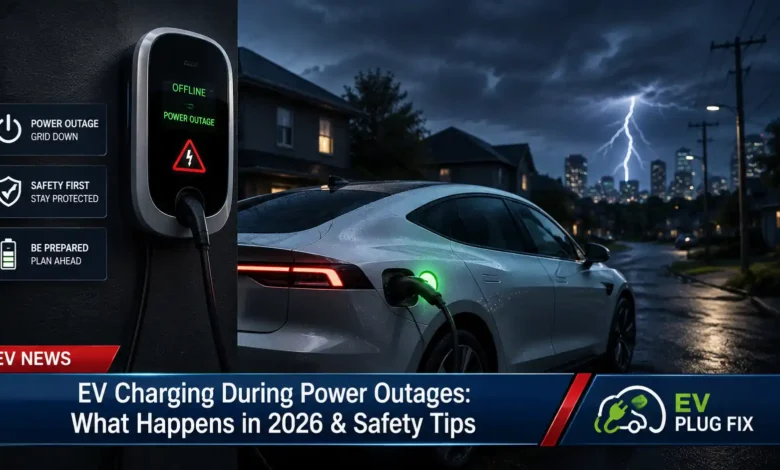
EV charging during a power outage is a scenario that raises immediate concerns for millions of electric vehicle owners. What happens to your car’s battery, the charger, and the vehicle’s sensitive electronics when the grid suddenly goes dark? In 2026, modern EV technology is specifically engineered to handle this exact situation. The short answer is that your vehicle and charging equipment are equipped with robust safety mechanisms that make a sudden power loss a non-event for the battery itself, though it does introduce considerations for your schedule and long-term charging strategy. For homeowners considering new equipment, comparing features like backup compatibility is essential—check out our go-e Charger Comparison to see how different models handle grid interruptions.
Instant Safety Shutdown: What Happens at the Moment of Blackout
When a power outage occurs, the electrical supply to your EV charger is cut instantly. This triggers an immediate and automatic response from both the charger and the vehicle. The charging process stops, and the car’s Battery Management System (BMS) takes over, isolating the high-voltage battery from the charger to prevent any potentially damaging backflow of current. This is a critical safety feature standard on all modern EVs, designed to protect both the battery’s health and the home’s electrical system from hazards like short circuits. Understanding how your charger communicates with the grid during normal operation can also help—learn more about Dynamic Load Balancing to optimize your home charging setup.
Expert Analysis: The BMS is your EV’s ultimate guardian. It’s a sophisticated computer that constantly monitors voltage, current, and temperature. In the event of a power interruption, its primary job is to ensure the battery’s state of charge (SOC) is maintained at the level achieved before the outage, with no risk of overcharging or damage from an abrupt stop.
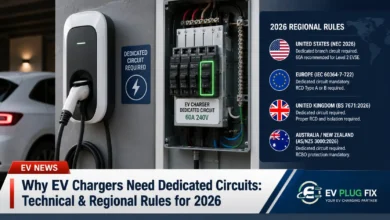
This fail-safe design extends to the charging equipment itself. Home chargers often include built-in circuit breakers and ground fault interrupters that can activate during grid anomalies, adding another layer of protection. Proper EV Ground Fault Protection is essential for safeguarding both your vehicle and home electrical system during unexpected power events. As the grid stabilizes and power returns, you may need to restart the charging session. While some systems support automatic restart, others require the owner to manually initiate it via the charger or vehicle app. Knowing which type your system uses is key to avoiding a surprise in the morning.
Protecting Your EV Battery During a Grid Interruption
A common fear is that a sudden power loss could damage the expensive lithium-ion battery pack. The reality is reassuringly different. Modern EV batteries are incredibly resilient to interruptions. When the charge cycle is unexpectedly halted, the battery simply retains the state of charge it had reached. It doesn’t “lose” energy or suffer from an interrupted cycle in a way that degrades its lifespan. The sophisticated charging protocols that manage this process are designed for safety—dive deeper into Constant Current EV Charging to understand how your battery is protected during every stage of the charge cycle.
The main impact of a power outage is on your schedule. If the battery wasn’t sufficiently charged before the outage, you won’t have the planned range when you need to drive. For regions prone to frequent blackouts, maintaining a healthy buffer in your state of charge is a wise habit.
Smart Chargers, V2G, and Grid Resilience
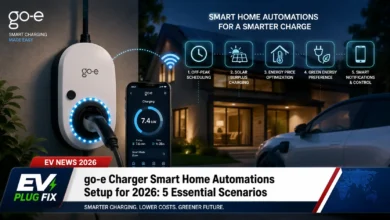
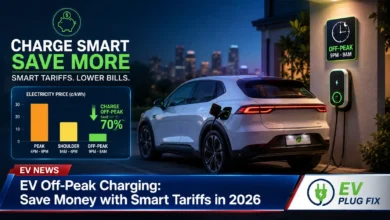
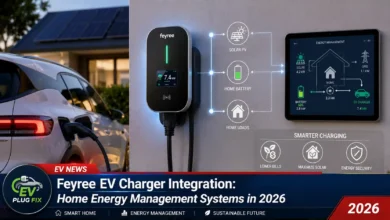
The rise of smart charging and vehicle-to-grid (V2G) technology adds new layers of complexity. Smart chargers that optimize based on grid load or time-of-use tariffs may experience schedule disruptions during a power outage. When the power returns, these systems are designed to resume their optimized schedules, though manual intervention may be needed depending on the software. Advanced connectivity features are increasingly standard, with many systems leveraging AI EV Charging Solutions to predict and adapt to grid conditions for more resilient home energy management.
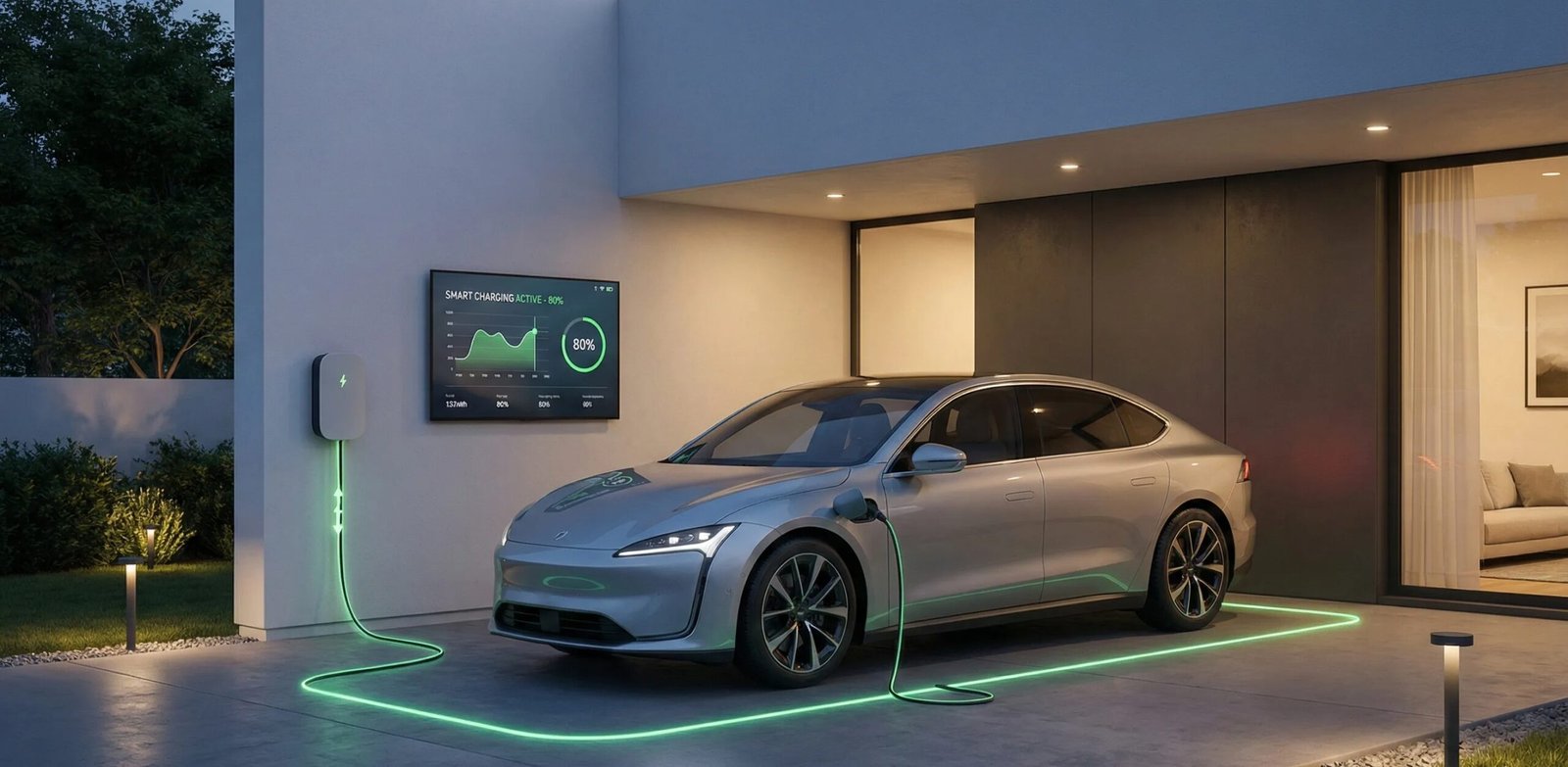
Modern smart chargers send instant alerts to your phone when charging is interrupted
Looking forward, bidirectional charging offers a revolutionary solution for homeowners. New products like the Enphase IQ Bidirectional EV Charger, expected in the second half of 2026, feature a “black start” capability. This allows the EV to power up a de-energized home during an outage, turning your car into a massive backup battery and offering true energy independence. For travelers, understanding these innovations is equally important—many Hotels with EV Charging are now adopting similar backup-capable infrastructure to ensure guest convenience during grid disruptions.
Essential EV Charging Guide for 2026
Preparing for a power interruption ensures your EV remains a reliable part of your daily life. Whether you live in an area with a robust grid or one prone to storms, a few simple steps can save you time and stress.
- Know Your Charger: Check if your home charger supports automatic restart or if it requires a manual reset after a power loss.
- Maintain a Battery Buffer: Keep your EV’s battery above 30-40% during severe weather or in areas with known grid instability to avoid being stranded.
- Leverage Your App: Use your EV or charger’s mobile app to receive real-time alerts when charging stops, so you’re never caught off guard.
- Consider Backup Power: If outages are common, explore home battery systems or solar to provide uninterrupted charging and energy security.
| EV Charger Feature | Benefit During Power Outage |
|---|---|
| Automatic Safety Shutdown | Instantly stops charging and isolates battery, preventing damage and electrical hazards. |
| Battery Management System (BMS) | Maintains battery health by holding the current state of charge and preventing backflow. |
| Surge Protection | Shields the vehicle’s sensitive onboard electronics from voltage spikes when power returns. |
| Smart Charging Integration | Optimizes charging schedules and may auto-restart sessions to take advantage of low-cost energy windows. |
| Bidirectional (V2H/V2G) | Allows the EV to power a home or grid during an outage (black start capability). |
Global Variations and the Future of EV Charging
The risk and impact of power outages vary widely. In developed nations with stable grids, outages during EV charging are rare and brief. However, a 2022 survey found that 78.7% of respondents agreed that extended or frequent power outages would reduce their willingness to purchase an EV. This sentiment is driving investment in grid resilience and smart infrastructure. Keeping an eye on the Global EV Market Outlook reveals how these investments are shaping the future of charging reliability worldwide.
In regions with less stable grids or extreme weather, the focus is on backup power. For fleet operators, an outage can mean significant operational disruption and economic cost. This is where emerging technologies like V2H and V2G, coupled with home solar and battery systems, become not just a luxury but a necessity for future-proofing your energy independence. The global market is responding, with standards like IEC 61851 being updated to ensure safe and reliable EV charging systems worldwide.
“The IQ Bidirectional EV Charger brings the family car into the home energy system. It’s simple to install, easy to control, and designed to deliver backup power.”
Final Takeaway: Your EV is Ready for the Unexpected
When the power goes out while you’re charging your EV in 2026, you can rest easy knowing your vehicle is built to handle it. The charging process will stop safely, the battery will be protected, and you’ll face no damage—only a potential delay in your charging schedule. By understanding your equipment, maintaining a healthy battery buffer, and exploring backup power solutions, you can stay ahead of the curve and ensure your EV remains a reliable asset, no matter what the grid throws at it.