Tesla Model S Free Supercharging 2026: Is the $5,000 Price Hike Worth It?
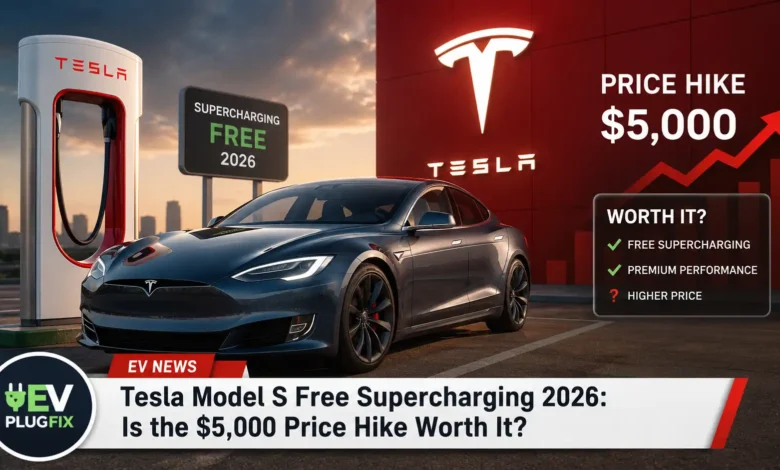
Tesla Model S free Supercharging 2026 is back. Tesla has revived the unlimited Supercharging perk for new Model S buyers, but before announcing this deal, they quietly raised the sedan’s price by $5,000. This raises a key question: is the new free Supercharging offer really a good deal, or just clever marketing to distract from a price hike?
Tesla is currently offering a “Luxe Package” for remaining Model S inventory that includes lifetime free Supercharging for the original owner, along with Full Self-Driving and premium connectivity . However, this offer comes just as Tesla has raised the Model S price to $79,990 . With the base price now sitting at $84,990 and the Plaid variant starting higher , the revived incentive may actually be a carefully timed strategy as Tesla phases out production of its flagship sedans .
The True Cost of Tesla’s Free Supercharging Revival
Before delving into whether the deal is worth it, let’s set the baseline. The 2024 Tesla Model S AWD has an EPA efficiency rating of 3.6 miles per kilowatt-hour. The Plaid variant, especially with larger 21-inch wheels, comes in at a lower 2.8 miles/kWh. Understanding EV Battery Charging Methods helps contextualize these efficiency differences across driving conditions.
The U.S. Department of Energy estimates that while 86% of EV owners have access to a home charger, about 80% of all charging is still done at home. For those considering a dedicated setup, EV Wallbox Installation remains a popular option for maximizing overnight charging convenience. Based on the Federal Highway Administration’s data that the average driver covers about 13,476 miles annually, a Model S owner would use around 3,743 kWh of electricity per year. Following the 80-20 split, this means the majority of charging happens at home, with only around 749 kWh coming from Superchargers.
Since Tesla’s Supercharger rates range from $0.25 to $0.60 per kWh depending on location and time of day, let’s use a national average of $0.43/kWh. For an owner who charges mostly at home, the annual Supercharging cost would be roughly $322. At this rate, it would take about 15.5 years of ownership to break even on the $5,000 price hike, assuming you hit the national average of 210,000 miles. Reviewing Used EV Ownership Costs can provide additional perspective on long-term financial planning for EV buyers.
Who Benefits Most from the Model S Supercharger Deal?
For drivers who lack home charging, the numbers tell a different story. For the estimated 14% of EV owners who rely solely on public charging, the savings are substantial. If a Model S owner were to charge all 3,743 kWh of their annual energy usage at Superchargers, they would save roughly $1,610 per year. Leveraging EV Off-Peak Charging strategies can further enhance savings for those who do have home access. In this scenario, the $5,000 price hike pays for itself in just over three years.
Over the same 15.5-year period, the total savings for a Supercharger-exclusive driver would be around $19,950 after accounting for the initial price increase. For context, understanding Plug & Charge Pricing can help compare different payment models available across charging networks.
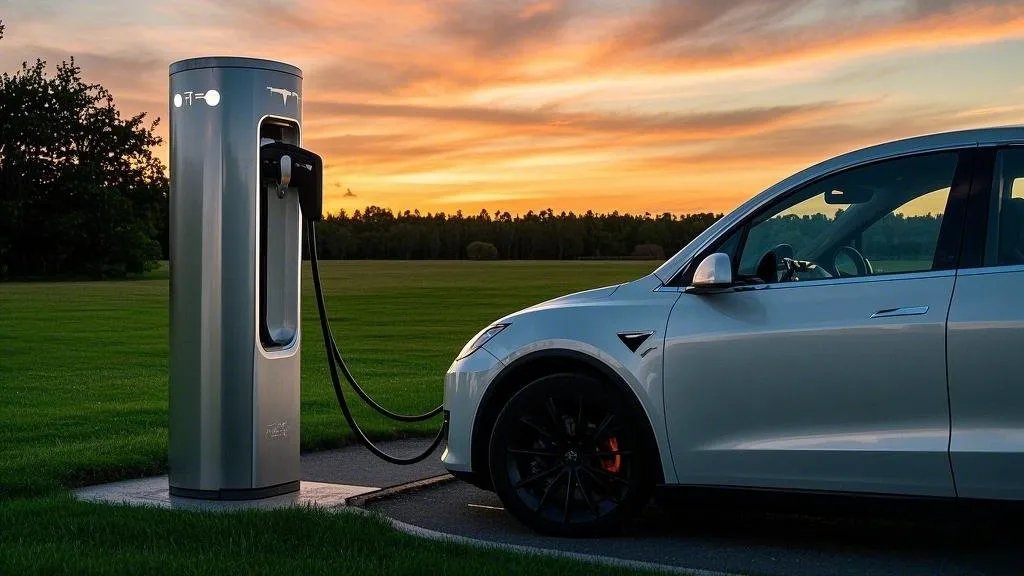
Supercharger rates vary significantly by location and time of day, directly impacting the value of the free perk.
Model S Cost Analysis: Free Supercharging Value
Here is the breakdown of potential costs and savings based on different driving and charging profiles in 2026:
| Driving Profile | Annual Mileage | Annual Supercharging Cost (Without Perk) | Breakeven Period vs. $5K Price Hike | 15.5-Year Net Savings (After Price Hike) |
|---|---|---|---|---|
| Average Driver (80% Home Charging) | 13,476 miles | $322 | 15.5 years | ~$0 (break-even) |
| Supercharger-Only Driver (No Home Charging) | 13,476 miles | $1,610 | ~3.1 years | ~$19,950 |
| High-Mileage User (20,000 miles/year, 50% Supercharging) | 20,000 miles | $1,194 | ~4.2 years | ~$13,500 |
⚠️ Important Terms & Conditions: The free Supercharging perk is non-transferable. It is tied to the original owner’s Tesla account and does not transfer to the next owner if the vehicle is sold . Additionally, Tesla explicitly excludes commercial use (like ride-sharing) from the program and reserves the right to revoke the perk for “excessive charging” .
Is the 2026 Model S Worth It Compared to Rivals?
The 2026 Tesla Model S remains a powerhouse in the luxury EV sedan segment. While the price has increased, the Model S still beats rivals like the Mercedes EQS, Porsche Taycan, and Lucid Air in terms of raw performance and range . The Plaid variant delivers 0-60 mph in 1.99 seconds—a figure that still puts it ahead of most competitors. The Model S also benefits from the Supercharger network, which is crucial for long-distance travel. For long trips, knowing the locations and capabilities of Public EV Fast Charging stations can be a deciding factor for many buyers.
However, reviewers have noted that the interior and build quality of the Model S are starting to show their age compared to the plush cabins of the EQS or the driving dynamics of the Taycan . The Supercharger network, while a massive advantage, is now opening to non-Tesla vehicles, which could erode the exclusivity of the Tesla ecosystem . For buyers who can charge at home and don’t rely heavily on Superchargers, the revived perk may not be worth the new higher price.
Final Verdict
Ultimately, whether the free unlimited Supercharging perk is worth it depends on your driving habits and access to home charging. For the 86% of owners who charge at home, the new offer may provide little immediate financial benefit. But for the smaller group of drivers who live in apartments or lack home charging, the perk offers significant and rapid savings. Exploring Home EV Wallbox Value can help homeowners assess the long-term property benefits of installing a dedicated charger.
The $5,000 price hike is a clever move by Tesla to offset the cost of the Supercharging perk while boosting demand for a vehicle that is being phased out. As Tesla uses the “sentimental” value to command a premium, the final inventory of Model S and X vehicles are effectively becoming limited editions .
Key Takeaway: For the average Model S buyer with home charging, it will take over 210,000 miles of driving to break even on the $5,000 price hike. For Supercharger-exclusive users, the deal pays for itself in just over three years. Consider your charging habits carefully before committing.