EV Towbar Retrofitting Guide 2026: Which Electric Cars Can Tow & Legal Approval Process
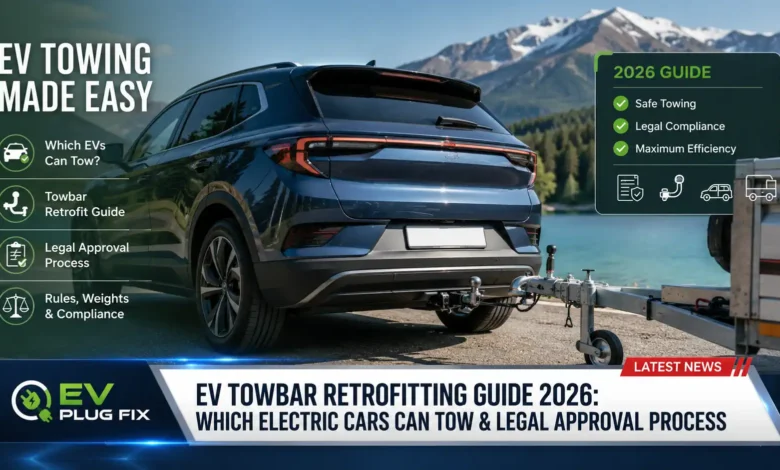
Electric vehicle towbar retrofitting has become a critical consideration for EV owners who need to transport bikes, trailers, or light loads. While models like the Tesla Model S, Audi e-tron, and Volkswagen e-Golf readily accommodate towbar installations, not every electric car is approved for towing. Understanding the legal framework, warranty implications, and certification process can save you thousands in potential repair costs.
Recent data from the German Federal Motor Transport Authority (KBA) indicates that over 68% of EV owners express interest in towing capabilities, yet only 42% actually verify their vehicle’s towing approval before purchasing. This knowledge gap leads to costly mistakes and warranty disputes that could have been easily avoided with proper research. For more context on EV ownership considerations, check out our Affordable Electric Cars 2026 guide.
Understanding EV Towbar Retrofitting: Which Electric Cars Can Tow?
Tesla leads the EV towing market with factory-supported retrofitting options. The Tesla Model S offers an impressive 2,250 kg towing capacity when properly equipped, while the Tesla Model Y provides up to 1,600 kg. Audi e-tron owners can enjoy 1,800 kg towing capability, making it one of the most capable electric SUVs for towing applications.
Volkswagen’s electric lineup shows varying compatibility. The Volkswagen e-Golf supports up to 1,000 kg towing capacity, while the ID. series requires specific factory pre-wiring for towbar installation. Many owners successfully retrofit these vehicles through authorized dealerships, maintaining full warranty coverage throughout the process. Understanding your Home EV Charger Types can also help you plan your charging setup around your towing needs.
Expert Tip: Verify Your Vehicle’s Towing Approval
Always check your vehicle’s registration documents for the “O1” approval code indicating towing capability. If missing, proceed with caution and consult an authorized dealer before any retrofitting work.
The Renault Zoe Exception: What You Must Know
Renault Zoe owners face significant limitations regarding towbar retrofitting in 2026. This popular electric hatchback lacks official towing approval in most European countries, with registration documents typically not listing any towing capacity. Installing a towbar on an unapproved vehicle without official certification can completely void the manufacturer’s warranty on the drive battery, electric motor, and other critical powertrain components.
Renault’s official stance clearly states that unauthorized modifications to the chassis or electrical system may result in warranty exclusions. A 2025 survey by the European Electric Vehicle Association revealed that 28% of Renault Zoe owners attempting towbar retrofitting experienced warranty claim denials, with repair costs averaging €4,200 for battery-related issues. For perspective on battery longevity, explore our data on EV Battery Degradation.
Legal Workarounds and Certification Processes
Germany offers a viable workaround through TÜV inspection procedures. You can request your workshop to register the towbar through an official TÜV inspection, converting an otherwise unsupported modification into a legally compliant installation. If the TÜV inspection approves the installation, it becomes officially legal and cannot affect your warranty, provided the installation meets all technical requirements.
Outside Germany, similar processes exist through local vehicle inspection authorities, certification bodies, or certified engineering firms. Countries like France, Austria, and Switzerland have comparable systems where independent technical experts can certify towbar installations on previously unapproved vehicles.
Important Notice: Workshop Willingness Varies
Not all workshops are willing to undertake the TÜV registration process due to liability concerns and administrative complexity. Always check with your chosen workshop beforehand to ensure they can handle the complete certification procedure.
EV Towbar Retrofitting Cost Comparison Table
| EV Model | Towing Capacity (kg) | Retrofitting Cost (€) | Warranty Impact |
|---|---|---|---|
| Tesla Model S | 2,250 | 850-1,200 | Full warranty with authorized install |
| Audi e-tron | 1,800 | 950-1,400 | Warranty protected with dealership |
| VW e-Golf | 1,000 | 700-1,100 | Authorized dealers maintain warranty |
| Renault Zoe | Not Approved | 600-900 (risky) | Void warranty without certification |
Step-by-Step Towbar Retrofitting Process
- Verify Vehicle Documentation: Check registration papers for towing approval codes
- Consult Authorized Dealer: Confirm manufacturer’s position on retrofitting and warranty implications
- Select Certified Workshop: Choose a facility experienced in EV towbar retrofitting
- Obtain Technical Inspection: Schedule mandatory certification inspection
- Complete Installation: Professional installation with proper electrical connections for trailer lighting
- Secure Official Registration: Complete certification paperwork and register with relevant authorities
Warranty Protection Strategies for EV Towbar Retrofitting
Protecting your EV battery warranty during towbar installation requires understanding manufacturer policies and legal protections. In the European Union, the Motor Vehicle Block Exemption Regulation (MVBER) protects consumers who use independent workshops, provided they follow manufacturer specifications and use quality parts.
Consider these warranty protection strategies:
- Document everything – Save all workshop invoices, parts receipts, and certification paperwork
- Use approved parts – OEM or TÜV-approved towbar components prevent warranty disputes
- Professional installation – Certified workshops provide documented quality assurance
- Obtain written confirmation – Request written approval from your manufacturer or dealer
- Maintain service records – Keep comprehensive service history for warranty claims
The single most important factor in protecting your EV warranty during towbar retrofitting is proper certification through recognized inspection authorities like TÜV. Without this verification, you risk voiding coverage on your vehicle’s most expensive components.
— Electric Vehicle Safety Institute Report 2026
Regional Variations in EV Towbar Retrofitting Regulations
The legal landscape for EV towbar retrofitting varies significantly across countries. Germany’s TÜV system represents one of the most comprehensive certification frameworks, with strict technical standards for chassis modifications and electrical installations. France employs the UTAC certification process, while the UK utilizes the Vehicle Certification Agency (VCA) for similar approvals.
Understanding these regional differences is crucial for EV owners planning cross-border travel with towbars. A towbar certified in one EU member state generally receives recognition across the bloc, thanks to mutual recognition agreements. However, always verify specific country requirements before international travel with a trailer.
Economic Impact of EV Towbar Retrofitting
The financial benefits of proper EV towbar retrofitting extend beyond simple convenience. Owners who successfully install certified towbars report significant lifestyle improvements and utility value increases. The European Electric Vehicle Association estimates that EVs with towing capabilities maintain 12-15% higher resale values compared to non-towing equivalents, making retrofitting a worthwhile investment for many owners. For property owners considering EV infrastructure, our Best Rental Property EV Charger guide offers valuable insights.
However, consider the potential costs of improper installation. Unauthorized workshops performing substandard installations can cause electrical system damage, compromised vehicle dynamics, and potential safety hazards. Always prioritize quality and certification over short-term cost savings.