Public vs Private EV Charging Battle: Smart Integration Strategies for 2026
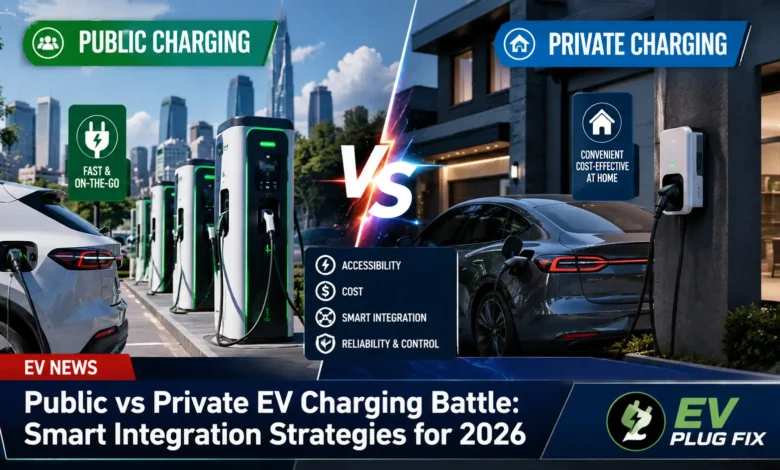
Public vs private EV charging integration represents the single most important strategy for cutting costs and boosting utilization in 2026, yet most operators and drivers still treat these as competing options rather than complementary tools. This split wastes money, frustrates drivers, and slows the entire EV transition.
Long lines at public stations while private chargers sit underused. Permit delays stretching for months. High utility bills and idle fees on both sides. The current approach to EV charging infrastructure is broken, and the numbers prove it.
As General Manager at Parwatt New Energy, I’ve spent years working with charge point operators, fleet managers, and real estate developers across multiple markets. The same problems repeat everywhere. The artificial battle between public and private charging creates more problems than it solves, and both sides suffer when we treat them as competitors instead of partners.
Why the Public vs Private EV Charging Battle Creates More Problems Than Solutions
Public charging stations remain empty in the wrong locations while drivers queue elsewhere. Home charger installations drag on for months with exorbitant costs. This divide hurts drivers, operators, and the entire EV ecosystem.
The battle creates waste on both sides. Public networks often operate at 15-20% utilization in poorly chosen spots. Private options stay out of reach for renters, apartment dwellers, and businesses with older electrical systems. The solution demands better planning, not more competition.
One European charge point operator built 50 fast chargers based solely on map data, ignoring actual parking patterns and grid capacity. After one year, only 15% saw real daily use. They now raise prices to cover costs, driving drivers back to gas vehicles for longer trips. This scenario plays out repeatedly across markets.
The Queue Problem Affects Everyone
Public fast charging looks impressive on paper, adding 100-250 miles in 30 minutes. Reality tells a different story. Stations cluster in cities and along highways while rural areas and suburbs remain underserved. Long-distance travelers frequently encounter full stations or broken units, losing both time and trust in EVs.
Fleet operators face even harsher realities. Delivery companies carefully plan routes around public chargers, but a single delay cascades into missed stops and lost revenue. The battle mindset encourages operators to build more stations in already crowded locations, keeping utilization low while wasting capital.
Cost Barriers Block Private Charging Growth
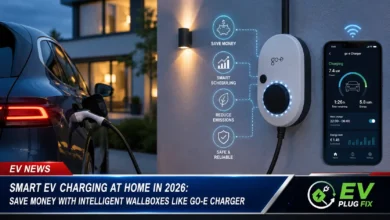
Home Level 2 charging adds 12-30 miles per hour overnight at significantly lower costs than public fast charging. However, upfront installation stops many homeowners. Electricians charge premium rates. Permits take weeks. Older homes lack the electrical capacity for 240-volt circuits.
Businesses encounter similar obstacles. Real estate developers want to add chargers for tenants but hit the same permit and cost barriers. Workplace programs stall. Meanwhile, public projects receive most government support even though private solutions handle the vast majority of actual charging sessions.
B2B Market Impact
Charge point operators struggle with poor ROI. Automotive OEMs field complaints about charging access. Fleet operators can’t rely on public networks for tight schedules. Retail chains install chargers that see low use because drivers prefer home or work charging for daily needs.
At Parwatt, we build solutions for both sides. Our wall chargers serve private homes and workplaces. Our 30 kW power modules support public hubs. The battle mentality hurts sales across the board and slows EV adoption. Smart projects link private daily charging with strategic public fast hubs for maximum efficiency.
Common Misconceptions About Public vs Private Charging That Mislead Drivers and Businesses
Many people believe more public chargers will solve everything. Others think home charging only works for wealthy homeowners. These wrong assumptions lead to poor investments and missed opportunities.
One city official planned 200 new public fast chargers to replace home charging needs, based on a single report ignoring actual driver behavior. Six months later, utilization sat below 20% in most locations. The money could have funded workplace and apartment Level 2 projects instead, delivering far greater daily impact.
Myth One: Public Charging Will Replace Home Charging
Real usage data shows the opposite. Most charging happens where cars park longest: home and workplace. Public fast charging serves travel and users without home access. It cannot scale to cover every daily need due to grid limits and high build costs.
Families with home Level 2 chargers rarely use public stations except for vacations, saving hundreds annually on electricity. The myth pushes cities to overbuild public networks while ignoring private charging barriers that prevent wider adoption.
Myth Two: Just Add More Public Stations Everywhere
More stations sound logical, but location and maintenance matter more than total count. New public sites in low-traffic areas see minimal use while popular spots still face queues. Operators pay high demand charges and repair costs, turning low-use projects into financial losses.
Fleet managers consistently report the same need: reliable fast charging at depots and key routes. Random public stations scattered across cities don’t help tight delivery windows. The misconception leads to scattered builds instead of focused hubs that actually get used.
Myth Three: Private Charging Costs Too Much and Only Works for Homeowners
Level 2 home charging pays back quickly. Many users recover installation costs in under two years through lower electricity rates. Workplace and apartment programs show strong occupancy increases after installation. Incentives and smart scheduling reduce bills further.
Real estate clients report higher tenant satisfaction after adding shared Level 2 units. The myth ignores portable and wall options that work without full panel upgrades. Modern solutions fit many situations where traditional installations seemed impossible.
Myth Four: All Public Charging Means DC Fast
Public networks include both Level 2 and DC fast options. Level 2 public chargers work well at malls, offices, and hotels where cars stay for hours. They cost less to build and operate. DC fast fits highways and quick stops. Treating all public charging as fast only raises costs and strains the grid unnecessarily.
These misconceptions create bad plans, waste public funds, and leave private options under-supported. Drivers and businesses make decisions based on myths rather than real use data. Clear facts must guide 2026 investments.
Public vs Private EV Charging: Current Situation and Future Trends in 2026
Public networks grow rapidly but show low daily utilization in many locations. Private charging at home and work handles most sessions at lower cost. Emerging trends point to hybrid models leveraging both approaches effectively.
Current data confirms private charging dominates daily EV use. Public fast charging grows for travel but requires smarter placement. Future success depends on integration and data-driven development.
Current Situation Snapshot
Public charging expands with government support across North America, Europe, and Asia. Fast DC hubs appear at travel stops. However, reports indicate many sites see only a handful of sessions daily. High equipment and grid connection costs push prices up. Drivers pay more while facing broken units or long waits.
Private charging remains strong for daily top-ups. Home Level 2 provides steady range overnight. Workplace programs let employees charge during work hours. Costs stay low with off-peak rates. The gap appears in apartments and older homes where installation remains challenging.
| Factor | Public Charging | Private Charging |
|---|---|---|
| Daily Cost | Higher per kWh plus idle fees | Much lower with home or work rates |
| Speed for Daily Use | Overkill and expensive for short top-ups | Matches overnight parking perfectly |
| Build Cost | Very high for DC fast sites | Lower for Level 2 wall or portable units |
| Utilization | Often low in wrong locations | High where cars park longest |
| Best For | Long trips and users without home access | Daily routines and fleet depots |
This comparison reveals why most charging happens in private settings. Public charging fills critical travel gaps but cannot replace daily home and workplace charging for the majority of drivers.
Future Trends for 2026 and Beyond
Ultra-fast public stations above 150 kW will expand on main routes. Battery-buffered mobile units will serve events and temporary needs. Private charging will integrate solar and smart scheduling for even lower bills. OCPP-compliant systems will enable better load management and uptime monitoring.
Hybrid projects will dominate successful deployments. A workplace with Level 2 units plus one or two DC fast points serves both daily staff and visitors. Apartment buildings with shared Level 2 plus nearby public hubs reduce range anxiety for residents. Parwatt sees rising demand for combined solutions, with power modules supporting public hubs while wall chargers fit private sites.
What the Most Successful Charging Strategies Look Like in 2026
Top operators and property owners combine private daily charging with targeted public fast hubs. They leverage data, smart software, and flexible equipment instead of one-size-fits-all builds.
“Successful strategies in 2026 focus on real driver patterns and hybrid setups. Mix Level 2 for daily use with DC fast for trips. Smart management cuts waste and improves returns.”
One retail chain added Level 2 units in mall parking paired with a small DC fast hub near the highway exit. Usage rose rapidly. Daily shoppers charged while shopping. Travelers used the fast hub for quick top-ups. Revenue covered costs within 18 months.
Core Elements of Winning Approaches
- Data-First Planning: Start with actual parking times and local traffic patterns rather than assumptions or outdated reports.
- Strategic Level 2 Placement: Install Level 2 where cars stay longest: homes, offices, and retail lots with extended dwell times.
- Targeted DC Fast Deployment: Add DC fast only at true high-turnover spots such as highway exits and fleet depots.
- Smart Software Integration: Use OCPP-compliant platforms for load balancing, remote diagnostics, and usage analytics.
- Flexible Options: Offer portable or battery-buffered units for flexible or temporary needs.
These steps avoid the low-utilization trap that plagues many pure public projects.
Real-World Examples
Fleet operators succeed with depot Level 2 for overnight charging plus mobile fast units for daytime top-ups. One logistics client cut fuel costs 40% after switching to this mixed approach. Real estate developers add shared Level 2 in new builds, seeing higher occupancy and tenant requests for more units.
Parwatt supports these strategies with wall chargers for private and workplace sites, 30 kW and 40 kW power modules for scalable public hubs, and battery-buffered mobile chargers for rapid deployment. These solutions work together as integrated systems rather than competing products.
Why Hybrid Beats Single-Focus Approaches
Pure public builds ignore that 70-80% of charging happens at home or work. Pure private leaves travelers and urban renters stranded. Hybrid models use each approach where it fits best, lowering total system cost and raising driver satisfaction.
Smart operators also plan for future technology. Bidirectional charging and vehicle-to-grid capabilities will grow. Sites built with open standards today will adapt more easily. The winners treat public and private as parts of one network, not rivals.
Ready to Choose the Right Charging Strategy for Your Needs? Here’s Your Next Step
Assess your daily driving distance and parking habits first. Then match charger types and locations to real usage patterns. Start small with Level 2 and add fast charging only where data supports it.
A property manager recently asked about adding chargers for 100 tenant spots. We started with a parking study. Most cars stayed over four hours. We recommended Level 2 units first, adding two DC fast points near the entrance for visitors. The project stayed on budget and saw strong use from day one.
Steps for Individual Drivers
- Check your daily miles. If most trips stay under 100 miles, Level 2 home charging covers 95% of needs
- Use public fast charging only for longer trips
- Get an electrical assessment before buying a wall unit
- Research available incentives in your area
- Consider portable EV charger options as a first step while planning a full installation
Steps for Businesses and Operators
- Audit current parking patterns and usage data
- Talk to users about pain points and charging needs
- Pilot a small number of Level 2 units in high-dwell areas
- Track usage for three months to identify patterns
- Add DC fast where queues form or demand justifies
- Choose OCPP-compliant hardware for unified management
Parwatt power modules and wall chargers support this phased approach, letting operators scale as demand grows rather than overbuilding from day one.
Common Next Actions
- Calculate total cost of ownership for Level 2 versus relying solely on public charging
- Review local permits and utility programs early in the planning process
- Test portable units before committing to permanent installations
- Link private daily charging with public fast charging for full coverage
The right strategy depends on your specific situation. Drivers without home access need good public options. Families with garages benefit most from private Level 2. Fleets need depot charging plus mobile support. Real estate teams win with shared Level 2 that boosts property value.
Conclusion: Integration Wins in 2026
The future of EV charging is integration, not competition. Private charging powers daily use at lower cost. Public fast charging supports travel and those without home access. The most successful strategies build hybrid systems around real driver patterns and site data.
Parwatt delivers solutions for both sides, enabling clients to win in 2026 and beyond. Our equipment supports private homes, workplaces, public hubs, and fleet operations with smart, OCPP-compliant technology designed for the integrated future of EV charging.