EV Wallbox Installation Mistakes to Avoid in 2026: Safety & Code Guide
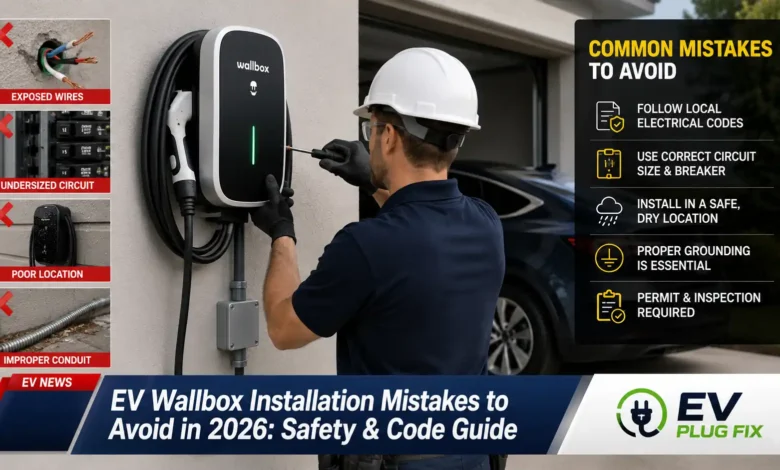
A properly installed EV wallbox is the cornerstone of convenient home electric vehicle ownership, yet a single misstep during installation can transform this essential device into a significant safety hazard, leading to fires, electrical damage, or costly code violations. As more drivers make the switch to electric, the demand for Level 2 home charging solutions has surged, but the complexity of their installation is often underestimated. Many homeowners and even some inexperienced electricians overlook critical factors like electrical panel capacity, correct circuit breaker sizing, and proper grounding, turning a simple upgrade into a risky project. This investigative guide covers the most frequent wallbox installation errors documented in 2026, from the dangers of using standard outlets to the “set it and forget it” mentality that can lead to devastating failures. Drawing on real-world incidents and the latest safety data, we provide expert solutions to ensure your home charging setup is safe, efficient, and built to last.
The 7 Deadliest Sins of EV Wallbox Installation
The path to a safe and efficient home EV charger is paved with careful planning and professional execution. Here are the critical mistakes that could compromise your entire system.
1. Underestimating Your Home’s Electrical Capacity
Before you even unbox your new wallbox, the most foundational step is assessing whether your home’s electrical panel can handle the additional load. Level 2 chargers typically draw between 30 to 50 amps, a significant demand that can overwhelm older 100-amp or even 60-amp service panels commonly found in homes built before the 1990s. Failing to perform a comprehensive load calculation can lead to frequent breaker trips, overheating wires, and a heightened risk of electrical fires . This isn’t just an inconvenience—it’s a serious safety oversight. The only safe path forward is to have a licensed electrician conduct a thorough evaluation of your current panel capacity and total household energy consumption. In many cases, upgrading to a 200-amp service is the most prudent investment to future-proof your home for EV charging and other modern electrical needs . For a deeper understanding of the communication protocols that make modern charging safer and smarter, explore our ISO 15118 Guide.
2. The Peril of the Wrong Wire and Wrong Breaker
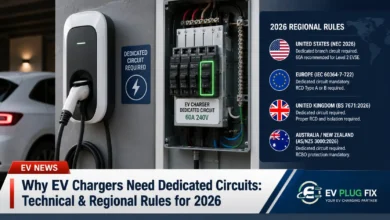
Choosing the correct circuit breaker and wire gauge is not a guessing game. One of the most frequent and dangerous mistakes is installing a breaker that doesn’t match the charger’s specifications. For instance, a 40-amp wallbox requires a 50-amp breaker, not a 40-amp one, as continuous loads like EV chargers should not exceed 80% of the breaker’s rating according to the National Electrical Code (NEC) . Pair this with the wrong wire gauge, and you have a recipe for disaster. Undersized wiring leads to increased resistance, causing the wires to overheat and potentially melt insulation, which can easily spark a fire . An alarming real-world example involved a NEMA 14-50 outlet and wiring that melted and nearly burned a homeowner’s house down because the circuit was incorrectly designed with a 60-amp breaker for a 50-amp outlet and the wrong gauge wire . Always follow the manufacturer’s specifications and NEC guidelines, and never try to save money by using thinner wire than required. Understanding proper EV Ground Fault Protection is also essential for ensuring your circuit design meets all safety requirements.
“Don’t be that guy. Eliminate that possible point of failure.” — Torque News EV expert, on the importance of hardwiring over using outlets .
3. The Outlet vs. Hardwire Dilemma: A Clear-Cut Choice
One of the most consequential decisions is whether to plug your charger into a NEMA 14-50 outlet or have it hardwired. While a plug-in setup offers flexibility, it introduces multiple points of failure, including the outlet itself and the junction box. These are common spots for overheating and melting, especially when low-quality outlets are used or connections are not properly torqued . Hardwiring the wallbox directly to the electrical panel eliminates these weak links, making it a far safer and more reliable option for a permanent installation . Furthermore, hardwiring allows for higher amperage (up to 48A) and can sometimes bypass the need for a GFCI breaker, which are prone to nuisance trips when used with EV chargers . This is a key reason why industry experts strongly advocate for hardwiring over using a plug-in outlet for a home’s primary charger. If you’re considering portable options for travel, check out our Portable EV Charger Care guide to understand the differences in maintenance and safety.
4. Choosing the “Convenient” Location Over the Smart One
Placing the wallbox in the most obvious or cheapest-to-wire spot can lead to daily frustration and long-term safety issues. You might think that installing it directly outside the electrical panel is best, but if that spot is exposed to direct weather, extreme temperatures, or is awkwardly positioned relative to your car’s charging port, you are compromising its lifespan and usability. Ideal placement should be within cable reach of where you regularly park, protected from the elements, and mounted at an ergonomic height (typically 4 to 5 feet from the ground). Conducting a site survey before installation helps avoid these pitfalls and ensures your charger is both convenient and durable .
5. The Forgotten Step: Permits and Inspections
In the rush to get a charger up and running, many homeowners skip the crucial step of securing an electrical permit and scheduling a final inspection. This is a grave mistake. An inspection provides a vital second set of eyes on the job, ensuring the installation meets all local electrical codes and is safe . Unpermitted work can void your insurance, cause issues when you sell your home, and, most importantly, leave dangerous errors undetected. A licensed electrician should handle the permitting process on your behalf, and you should be present for the final inspection to retain a copy of the approval . For those in rural areas facing unique permitting challenges, our article on the Rural EV Charging Crisis provides additional context on regional installation hurdles.
6. Neglecting Grounding and Load Management
Proper grounding and bonding are non-negotiable safety features that protect you from electrical shock. A dedicated ground wire must run from the wallbox back to the panel’s ground bus. Some older homes may have outdated or corroded ground systems that need to be updated . Furthermore, failing to consider load management for your home is a costly oversight. Without it, running your EV charger alongside high-draw appliances like an air conditioner or electric dryer could overload the system. Modern smart wallboxes with dynamic load management can intelligently distribute power to prevent this issue and even take advantage of off-peak utility rates for cost savings . To see how smart technology is revolutionizing charging efficiency, read about AI EV Charging Solutions and their role in grid optimization.
7. Going DIY Without the Proper Expertise
While the allure of saving money is strong, installing a Level 2 EV wallbox is far from a simple DIY project. The work involves high voltage and specialized knowledge of electrical codes and best practices. Mistakes made during a DIY installation can easily damage your charger, your vehicle, or—in the worst-case scenario—start a fire that destroys your home . One such story involved a woman named Jessica whose DIY-installed outlet nearly burned down her house . This is why the overwhelming consensus is to always use a qualified and certified electrician with specific experience in EV charger installations. Before purchasing a charger, it’s wise to review EV Charger Materials Guide to understand how build quality impacts long-term reliability and safety.
| Installation Aspect | Common Mistake | Expert Solution |
|---|---|---|
| Panel Capacity | Overloading an old 100-amp panel. | Upgrade to a 200-amp service and perform a load calculation. |
| Wiring | Using 8-gauge wire for a 48A hardwired charger. | Use 6-gauge wire (or thicker) for a 60-amp circuit. |
| Breaker | Installing a 40-amp breaker for a 40-amp charger. | Always use a 50-amp breaker for a 40-amp continuous load. |
| Connection Type | Using a NEMA 14-50 outlet for permanent use. | Hardwire the unit to eliminate fire risks and support higher amperage. |
| Permitting | Skipping the electrical permit and inspection. | Always pull a permit and have the work inspected. |
✅ The Smart Route: Expert Analysis
The safest and most forward-thinking approach to home EV charging involves a hardwired wallbox installed by a licensed electrician on a dedicated 60-amp circuit. This setup supports the fastest possible home charging speeds of 48 amps, eliminates the failure points associated with outlets, and simplifies compliance with the NEC, as hardwired chargers may not require a GFCI breaker. Coupling this with a smart charger that includes load management ensures your system can intelligently adapt to your home’s energy usage and even optimize for lower electricity rates.
Final Verdict: Safety Is Not Optional
The landscape of home EV charging is rapidly evolving, but the principles of electrical safety remain timeless. Cutting corners on your EV wallbox installation can have devastating consequences, from a frustratingly slow or non-functional charger to a catastrophic house fire. Whether you are a new EV owner or looking to upgrade your current setup, the key to success is thorough planning and professional execution. A safe and efficient installation is an investment not just in your vehicle, but in the well-being of your home and family. Stay informed about broader industry trends by exploring our Global EV Market Outlook to understand the bigger picture of EV adoption and infrastructure development.