Europe’s Best-Selling EVs 2026: Top 10 Models Dominating the Market
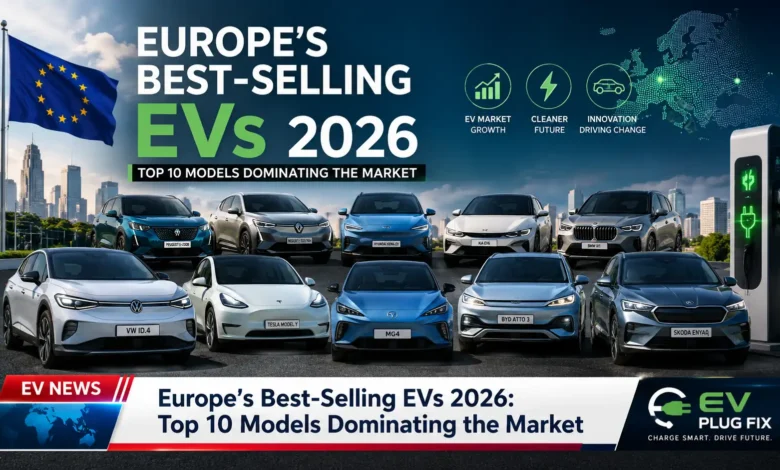
Europe’s best-selling electric vehicles of 2026 demonstrate how the continent’s EV revolution has evolved from niche curiosity to mainstream automotive dominance, with sales figures that would have seemed impossible just a few years ago. The latest data from major European automotive markets paints a clear picture: electric vehicles are no longer the future—they are the present, reshaping everything from urban mobility to cross-continental road trips and the charging infrastructure that supports them. Tesla might still hold the crown, but the challengers are closing the gap faster than anyone predicted.
The numbers tell an extraordinary story. With combined sales exceeding 860,000 units for the top ten models alone, the European EV market has matured into a fiercely competitive landscape where traditional automakers, ambitious Chinese newcomers, and pure-play EV brands battle for dominance. This analysis examines the performance, growth trajectories, and real-world appeal of the models that are defining 2026’s electric revolution.
Charging Infrastructure Keeps Pace
The explosive growth in EV sales across Europe has been matched by rapid expansion in public charging networks, with over 600,000 public charging points now available across the continent. Understanding home EV charger types and public charging options has become essential for new buyers, and this infrastructure growth has directly fueled consumer confidence and purchase decisions, creating a virtuous cycle of adoption.
1 – Tesla Model Y: The Unshakeable Champion
.png)
Units sold: 251,617 | Growth: +84%
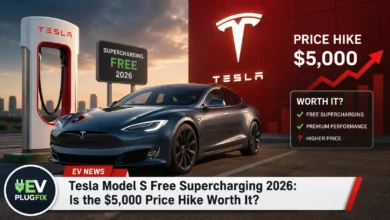
The Tesla Model Y has become more than just a car; it represents a cultural shift in how Europeans view electric vehicles. With more than a quarter-million units finding homes across the continent, the Model Y wasn’t just Europe’s best-selling EV—it achieved the remarkable feat of becoming the best-selling vehicle overall in several European markets. The crossover SUV’s winning formula combines the brand’s cutting-edge technology, impressive range figures exceeding 500 km, and a spacious interior that accommodates families and their gear with ease.
What makes the Model Y’s performance particularly noteworthy is how it has maintained momentum despite intensifying competition. The 84% year-over-year growth suggests the vehicle is still attracting new buyers who might have previously considered traditional combustion-engine SUVs. The combination of Tesla’s supercharger network, over-the-air updates, and the vehicle’s unmistakable design language continues to resonate with buyers across demographics.
2 – Tesla Model 3: The Sedan That Refuses to Fade
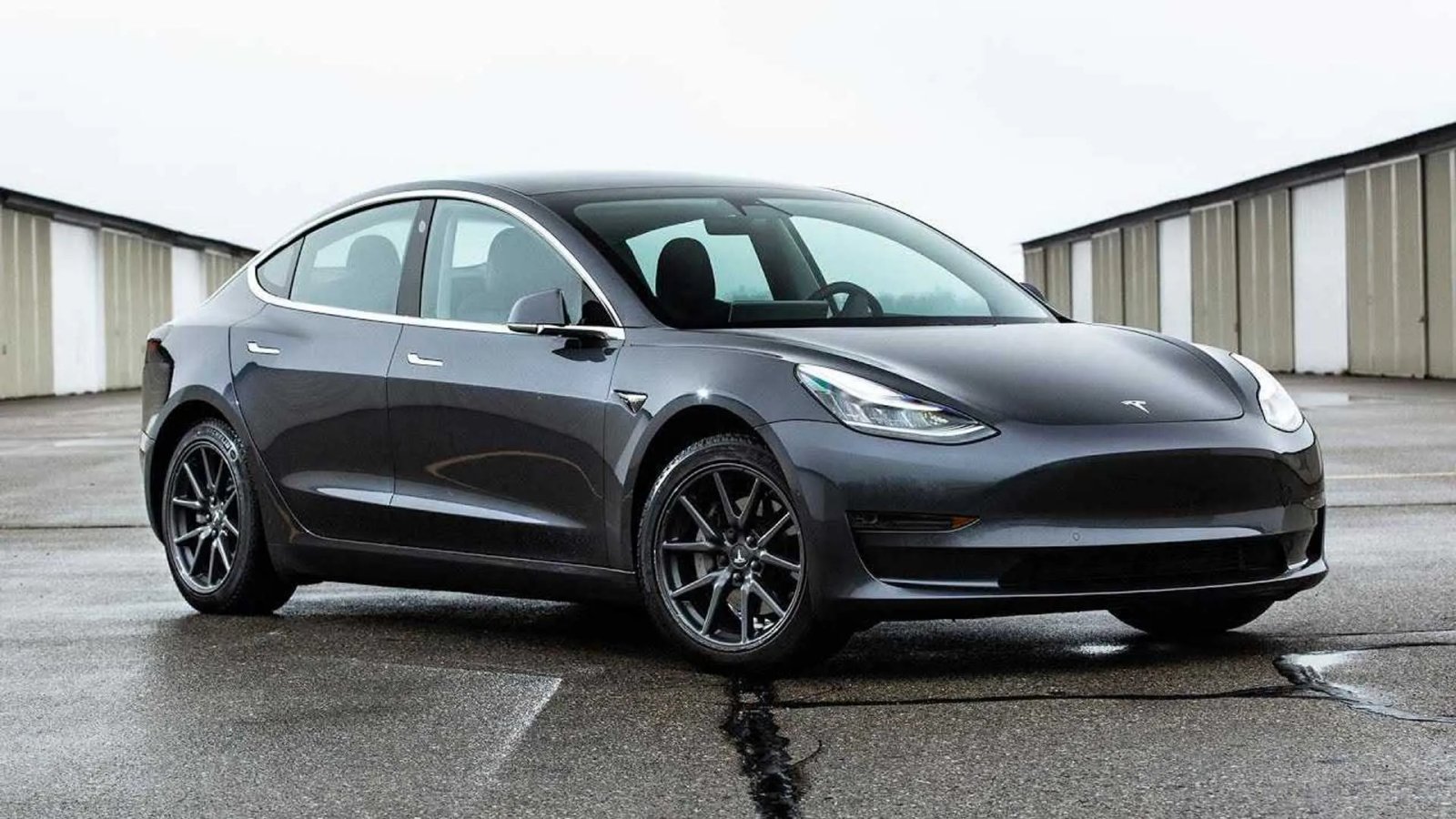
Units sold: 100,888 | Growth: +11%
While the Model Y may have stolen the spotlight, the Tesla Model 3 continues to demonstrate the enduring appeal of a well-executed electric sedan. The 100,888 units sold in 2026 represent a solid 11% growth, showing that the Model 3 has found its loyal customer base. The vehicle’s sporty driving dynamics, combined with Tesla’s characteristic minimalist interior and industry-leading software, continue to attract buyers who prioritize driving engagement over the practicality of an SUV.
The Model 3’s performance is particularly impressive given the increasing number of competitors entering the segment. Its popularity speaks to the brand’s ability to maintain relevance even as the market expands. The vehicle’s role as an accessible entry point into Tesla ownership has been crucial for the brand’s overall European strategy.
3 – Volkswagen ID.4: The People’s Electric SUV
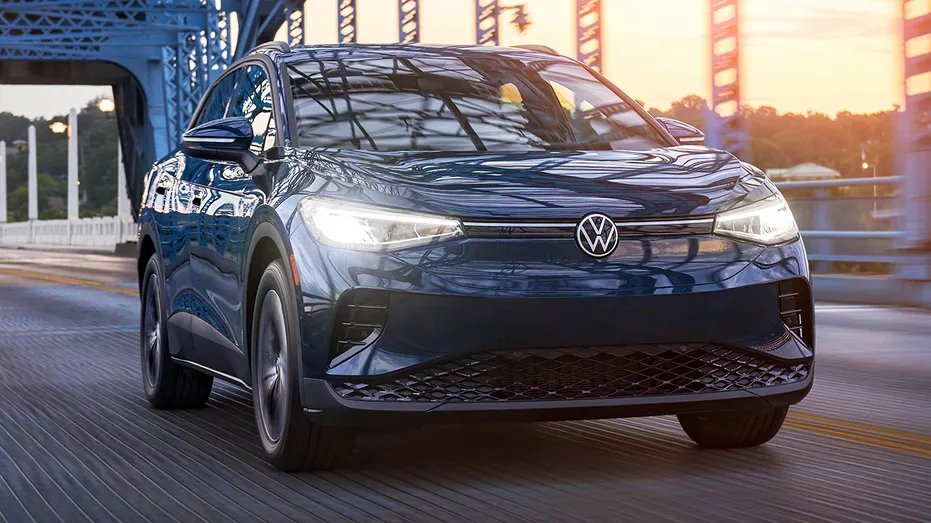
Units sold: 85,088 | Growth: +36%
Volkswagen’s ID.4 has established itself as the default choice for European families seeking an electric SUV from a trusted brand. With 85,088 units delivered across the continent, the ID.4 embodies Volkswagen’s strategy of making electric mobility accessible to the masses. The vehicle’s roomy interior, comfortable ride quality, and respectable range—combined with the brand’s extensive dealership network—have proven to be a winning combination.
The 36% growth rate suggests the ID.4 is still gaining market share and attracting buyers who might have previously considered a Tiguan or similar combustion SUV. The vehicle’s position within Volkswagen’s broader ID family strategy has helped create a recognizable EV sub-brand that resonates with customers seeking a traditional automotive experience with electric propulsion.
4 – MG 4: The Disruptor from China
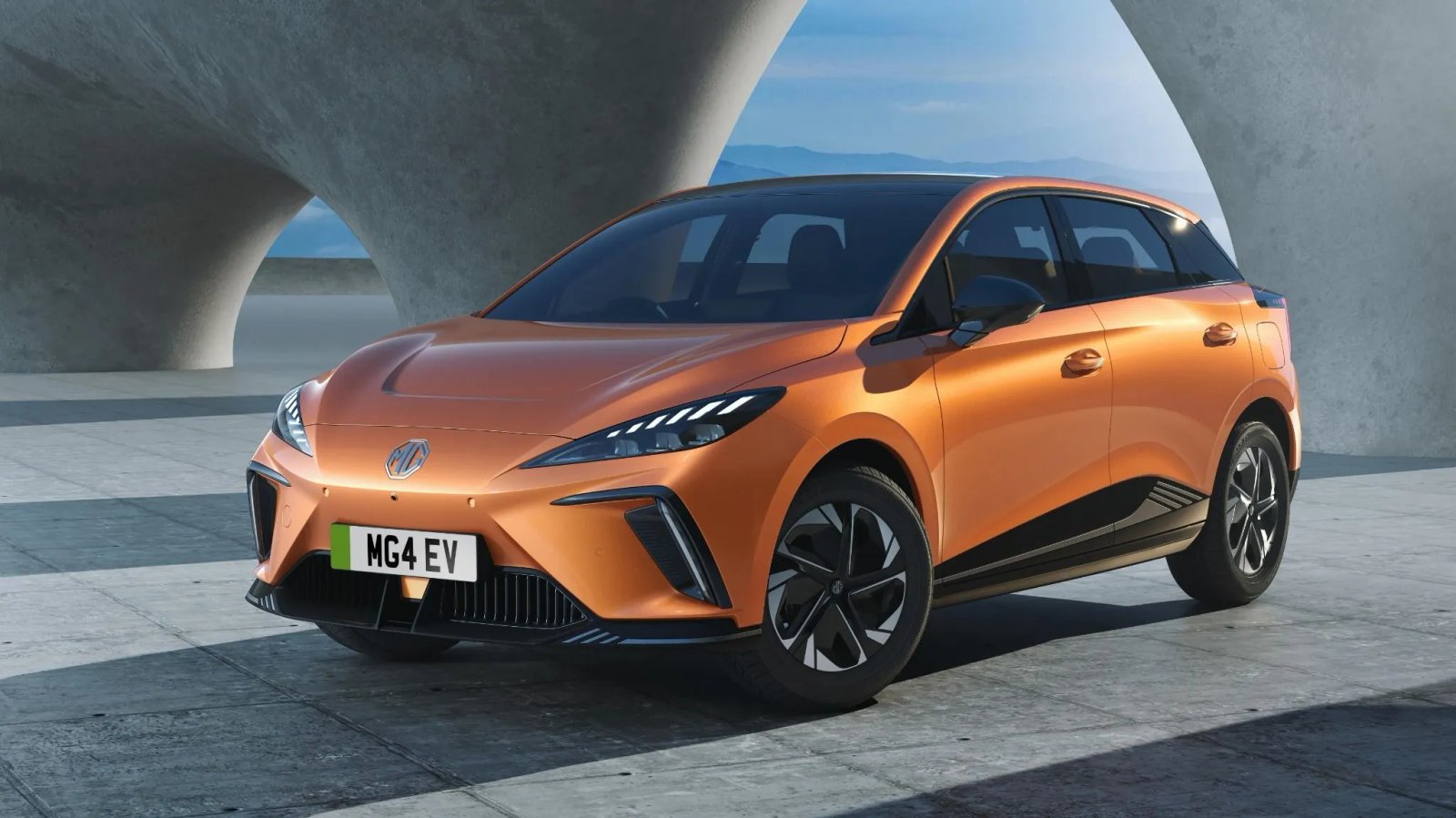
Units sold: 72,212 | Growth: +874%
The MG 4’s performance represents perhaps the most dramatic story in the 2026 EV sales data. An astounding 874% growth catapulted this Chinese-backed hatchback into the top five, with 72,212 units sold across Europe. The secret to the MG 4’s success lies in its compelling value proposition: starting at €24,990, it offers up to 500 km of range—figures that simply were not available at this price point just a few years ago.
Backed by SAIC Motor, the MG brand has successfully leveraged its British heritage while harnessing Chinese manufacturing efficiency to deliver a vehicle that undercuts competitors by thousands of euros. The MG 4’s success signals a significant shift in the European market, suggesting consumers are increasingly willing to embrace Chinese brands when the value proposition is right. This growth trajectory could reshape the competitive landscape for years to come.
5 – Skoda Enyaq iV: Practical Family Champion

Units sold: 66,247 | Growth: +34%
Skoda’s first fully electric SUV has proven to be a masterclass in practical EV design. Based on Volkswagen’s MEB platform, the Enyaq iV successfully differentiates itself through its generous interior space, thoughtful storage solutions, and a price point that undercuts its VW and Audi siblings. The 66,247 units sold represent a 34% increase, confirming the Skoda formula of offering maximum practicality for a competitive price works just as well for EVs as it did for combustion vehicles.
The Enyaq iV has become a particular favorite among families, with its spacious boot and rear passenger room making it a genuine alternative to larger SUVs. Skoda’s reputation for reliability and the vehicle’s efficient powertrain have further cemented its position in the European market.
6 – Fiat 500e: Urban Style Icon
(1)(1).png)
Units sold: 64,244 | Growth: –3%
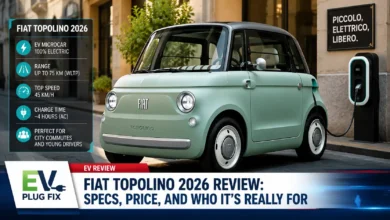
The Fiat 500e demonstrates that electric vehicles are not solely about maximizing range or size. With 64,244 units sold, this urban-focused city car has carved out a unique niche for style-conscious drivers navigating European cities. The slight 3% decline in sales relative to 2022 suggests the market for small, premium urban EVs may be reaching saturation, but the 500e’s continued popularity confirms the appeal of its retro-modern design and compact footprint.
With a range optimized for city driving and a design that turns heads, the 500e has become the default choice for drivers who want an electric vehicle that makes a statement. Its success underscores the importance of diverse offerings in a maturing EV market.
7 – Volkswagen ID.3: The Electric Golf
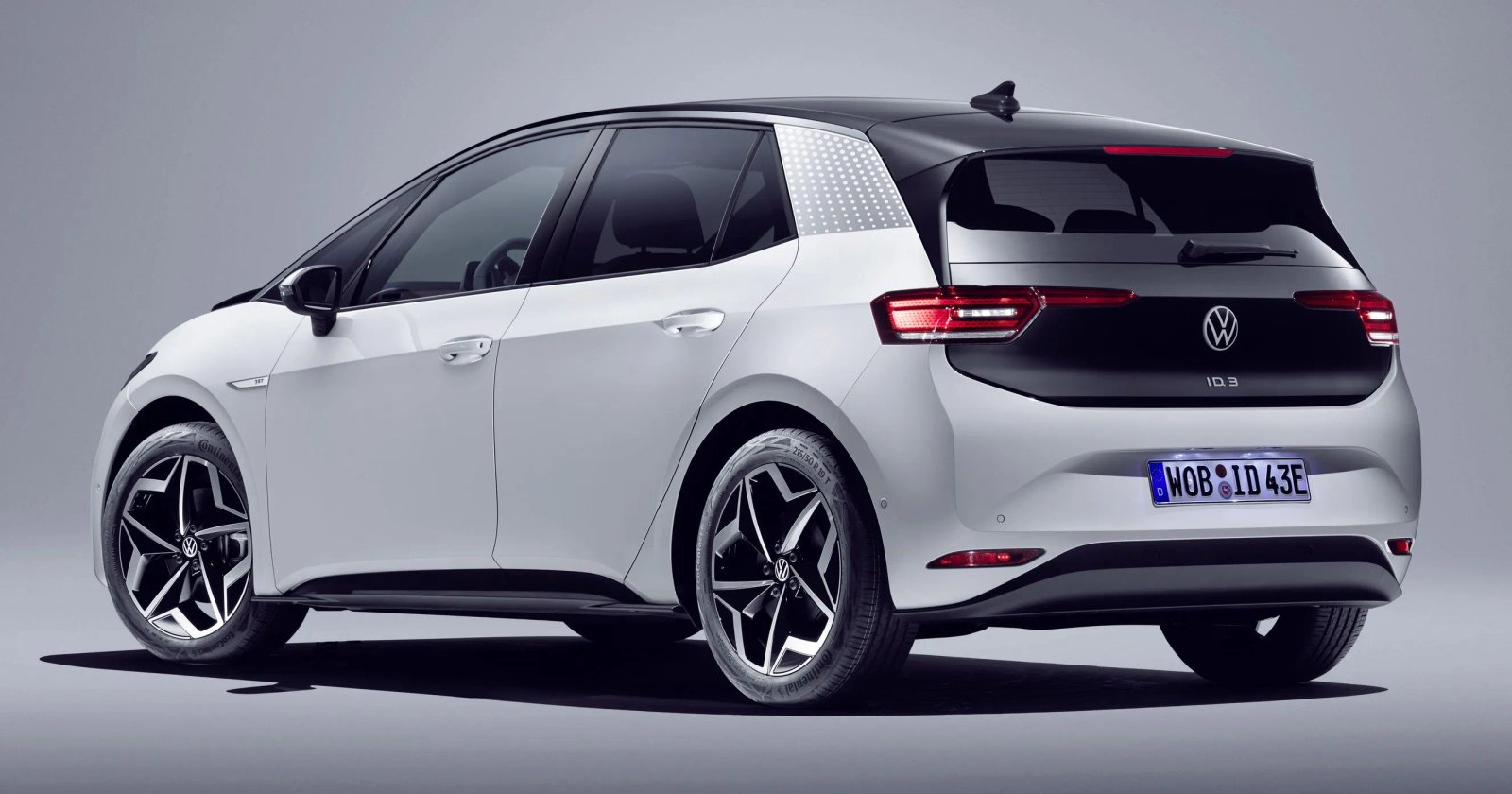
Units sold: 63,460 | Growth: +20%
Often described as the “electric Golf,” the Volkswagen ID.3 delivers the familiar formula of the iconic hatchback in a zero-emission package. With 63,460 units sold and 20% growth, the ID.3 has established itself as a strong performer in the compact EV segment. The vehicle’s balanced approach—offering good range, comfortable ride quality, and a price point accessible to mainstream buyers—has helped it maintain momentum.
The ID.3 represents Volkswagen’s vision of electric mobility for the masses. Its success demonstrates that there remains significant demand for compact hatchbacks in Europe, even as SUVs dominate the broader automotive landscape. The vehicle’s continuous improvement through over-the-air updates has also helped maintain customer satisfaction and word-of-mouth recommendations.
8 – Dacia Spring: Affordable EV Pioneer
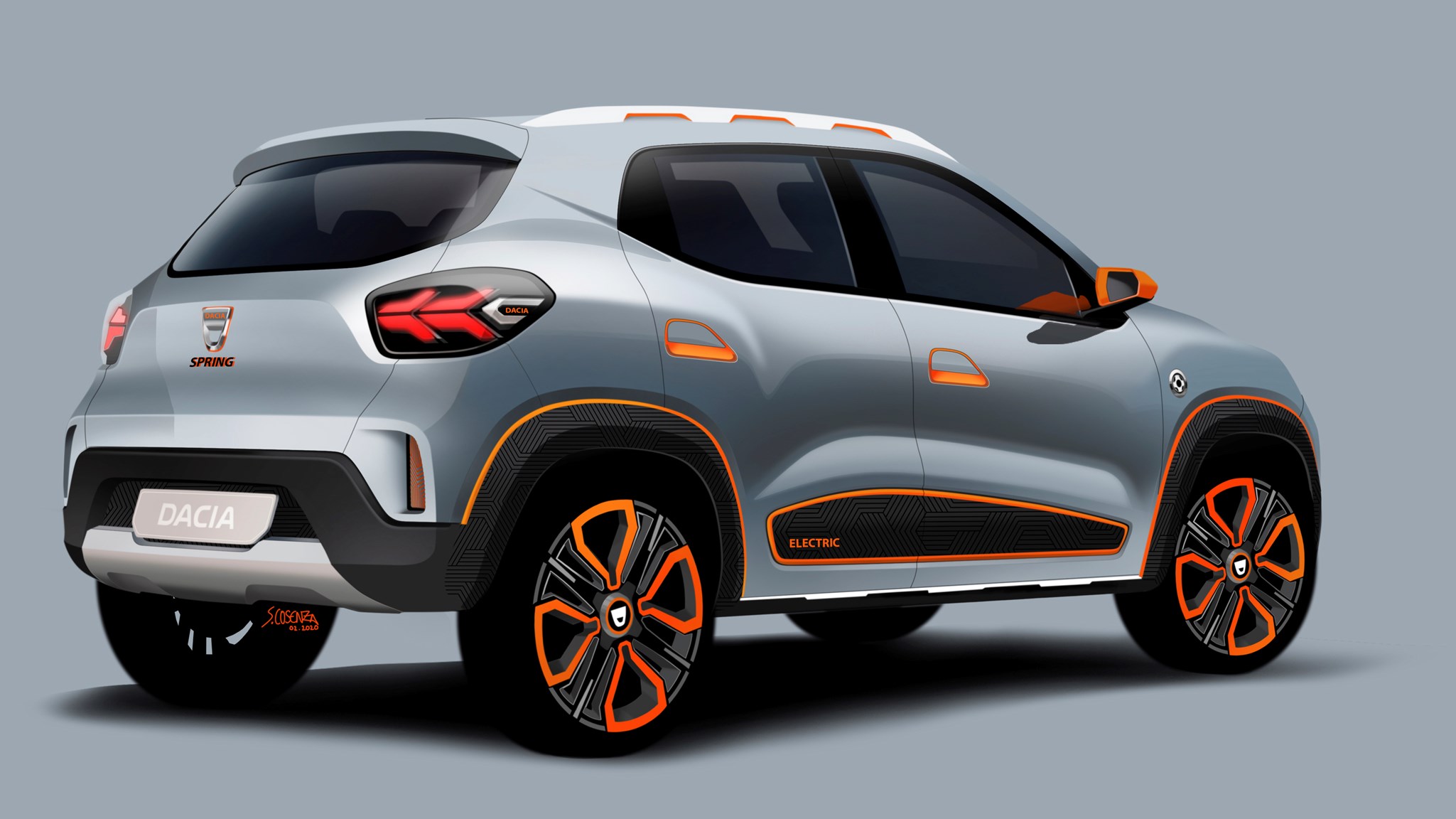
Units sold: 59,186 | Growth: +22%
The Dacia Spring has transformed the notion of affordable electric vehicles in Europe. Starting at approximately €18,900, it has opened EV ownership to a segment of the population previously priced out of the electric revolution. The 59,186 units sold represent a 22% increase, suggesting that the demand for budget-friendly EVs remains strong despite the Spring’s urban-focused range of around 300 km.
The Spring’s popularity underscores a crucial market insight: not everyone needs or wants a long-range EV. For many European drivers, particularly those in urban areas where charging infrastructure is more accessible, the Spring’s range is perfectly adequate for daily needs. The vehicle’s success has likely accelerated the development of even more affordable electric cars from other manufacturers.
9 – Volvo XC40 Recharge/EX40: Scandinavian Safety
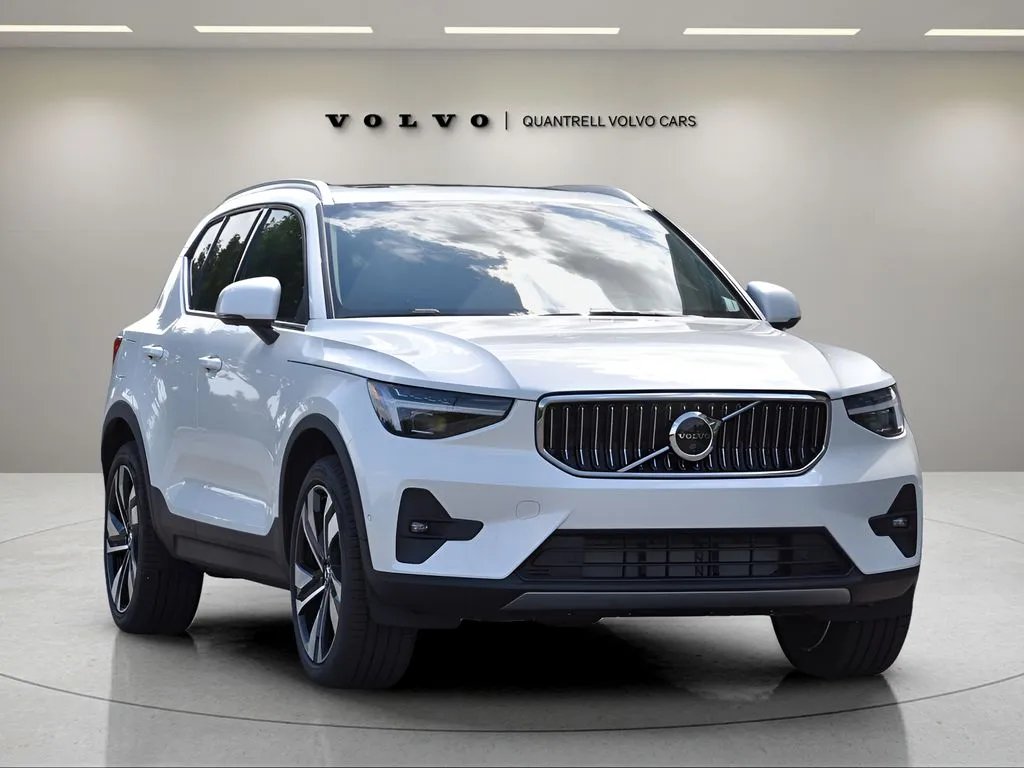
Units sold: 50,976 | Growth: +65%
The Volvo XC40, recently renamed EX40 in some markets, represents the Swedish brand’s commitment to electrification without compromising its core values of safety and Scandinavian design. With 50,976 units sold and a 65% growth rate, the compact SUV has found a receptive audience among drivers who prioritize safety and premium quality. The vehicle’s range of up to 575 km (WLTP) and Volvo’s reputation for build quality have made it a compelling choice in the competitive compact SUV segment.
The XC40’s success demonstrates that premium brands can successfully transition to electric powertrains without losing their identity. The vehicle’s strong growth suggests that the luxury EV market in Europe continues to expand, offering opportunities for established premium brands to capture a growing customer base.
10 – BMW i4: The Driver’s EV

Units sold: 48,958 | Growth: +92%
The BMW i4 rounds out the top ten with 48,958 units sold and an impressive 92% growth rate. The i4’s performance demonstrates that there is still significant demand for sporty, engaging driving dynamics in the EV market. BMW’s ability to translate the brand’s renowned driving characteristics into an electric package has won over many customers who might have been hesitant about transitioning to electric vehicles.
Closely resembling the driving experience of the traditional 4 Series, the i4 offers a familiar BMW experience with the instant torque of electric motors. Its success suggests that automakers who can preserve their brand identity while transitioning to electric powertrains will find a receptive audience among enthusiasts and traditional customers alike.
The EV Landscape in 2026: Key Takeaways
The 2026 sales data reveals several important trends shaping the European EV market:
Charging Infrastructure Critical
With over 600,000 public charging points across Europe, infrastructure availability has become a key driver of EV adoption. Technologies like dynamic load balancing are helping optimize existing electrical capacity, and countries with more developed charging networks are seeing higher EV sales and faster growth rates.
Chinese Brands Rising
The MG 4’s 874% growth signals that Chinese automakers are becoming serious competitors in Europe. This trend will likely accelerate with more brands entering the market.
Affordable Options Expanding
Models like the Dacia Spring and MG 4 are proving that there is strong demand for affordable EVs. This could accelerate the transition to electric mobility across all income segments.
| Rank | Model | Units Sold | Growth |
|---|---|---|---|
| 1 | Tesla Model Y | 251,617 | +84% |
| 2 | Tesla Model 3 | 100,888 | +11% |
| 3 | Volkswagen ID.4 | 85,088 | +36% |
| 4 | MG 4 | 72,212 | +874% |
| 5 | Skoda Enyaq iV | 66,247 | +34% |
| 6 | Fiat 500e | 64,244 | –3% |
| 7 | Volkswagen ID.3 | 63,460 | +20% |
| 8 | Dacia Spring | 59,186 | +22% |
| 9 | Volvo XC40/EX40 | 50,976 | +65% |
| 10 | BMW i4 | 48,958 | +92% |
The European EV market has matured to the point where there is no single formula for success. Whether through cutting-edge technology, practical design, affordability, or driving dynamics, each of these top-sellers has found its path to market leadership.
What’s Next for Europe’s EV Market?
As the European automotive landscape continues its electric transformation, several factors will shape the future of EV sales. The incoming Euro 7 emissions standards will further incentivize manufacturers to invest in electric powertrains, while pending European legislation may impose stricter emissions limits that could accelerate EV adoption rates even further.
Charging infrastructure continues to expand rapidly, with the European Union’s Alternative Fuel Infrastructure Regulation (AFIR) mandating the deployment of more fast chargers along major transport networks. Advanced technologies like ISO 15118 plug-and-charge are making the charging experience more seamless, and this infrastructure development is reducing range anxiety and making EV ownership more practical for a wider audience, including those without home charging access.
For consumers considering an EV purchase in 2026, the market offers more choice than ever before. Whether you’re seeking the cutting-edge technology of a Tesla, the family-friendly practicality of a Skoda Enyaq, or the budget-friendly accessibility of a Dacia Spring, there’s an electric vehicle that fits your needs. The diversity of the top ten sales charts demonstrates that the EV market has truly arrived.
Charging Infrastructure: The Key to Future Growth
The continued expansion of charging networks across Europe remains critical to maintaining the impressive sales growth seen in 2026. With new incentives for multi-unit dwellings and workplace charging, plus the growing availability of ultra-fast chargers, EV adoption is expected to accelerate further. The success of models like the Tesla Model Y and Volkswagen ID.4 depends as much on charging accessibility as on the vehicles themselves. Innovations like AI EV charging solutions are also helping optimize grid management and improve the user experience.
Making the Switch: Practical Considerations for EV Buyers
For buyers ready to make the switch to electric, the top ten list offers a compelling starting point for research. However, several practical considerations beyond sales numbers should influence your decision:
- Charging access: Consider your daily driving patterns and charging options at home, work, and along frequently traveled routes. Those without home charging might prioritize models with longer range or excellent public charging compatibility.
- Infrastructure network: Check the availability of fast chargers in your area and along roads you frequently travel. The Tesla Supercharger network is opening up to non-Tesla vehicles, which could be a game-changer for many buyers.
- Insurance and maintenance: Get quotes for insurance and understand the maintenance requirements—EVs generally have lower maintenance costs than combustion vehicles, but components like tires and brakes may wear differently.
- Incentives and tax breaks: Research available incentives in your country or region, as these can significantly reduce the effective purchase price.
Final Thoughts: The Electric Future Is Here
The 2026 sales data confirms what many automotive industry watchers have long predicted: the electric vehicle revolution in Europe is accelerating. With more than 860,000 units of the top ten models sold, EVs have moved from the margins to the mainstream. The diversity of the top ten—spanning compact city cars, sporty sedans, family SUVs, and affordable entry-level models—demonstrates the maturation of the market.
As competition intensifies and more models enter the market, consumers will benefit from even more choices at a wider range of price points. The challenge for manufacturers is to continue improving range, reducing costs, and developing the charging infrastructure needed to support the growing fleet of electric vehicles on European roads.
For consumers, the message is clear: the electric vehicle market has reached a tipping point where there is a model to suit virtually every need and budget. The question is no longer whether to go electric, but which EV is right for you.